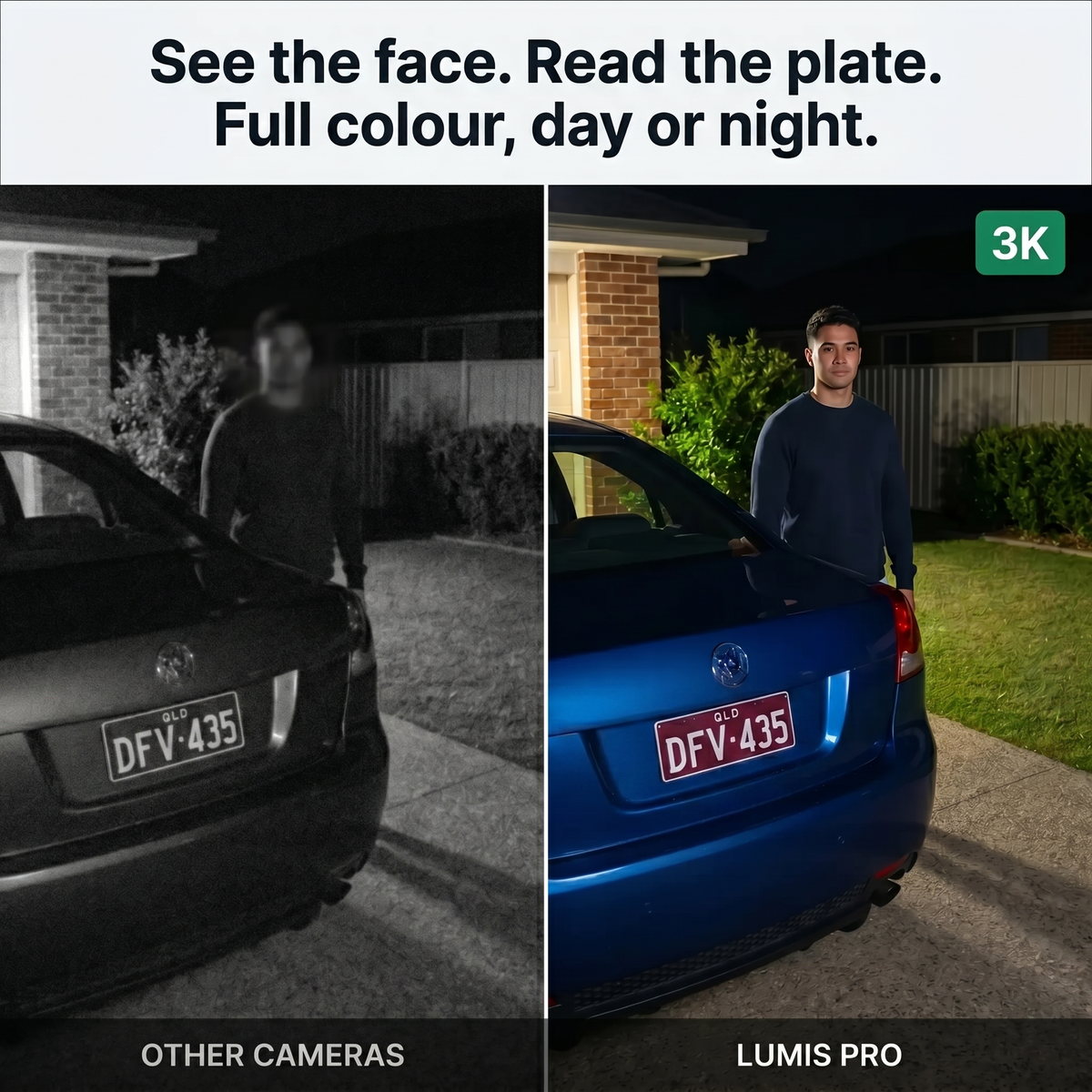

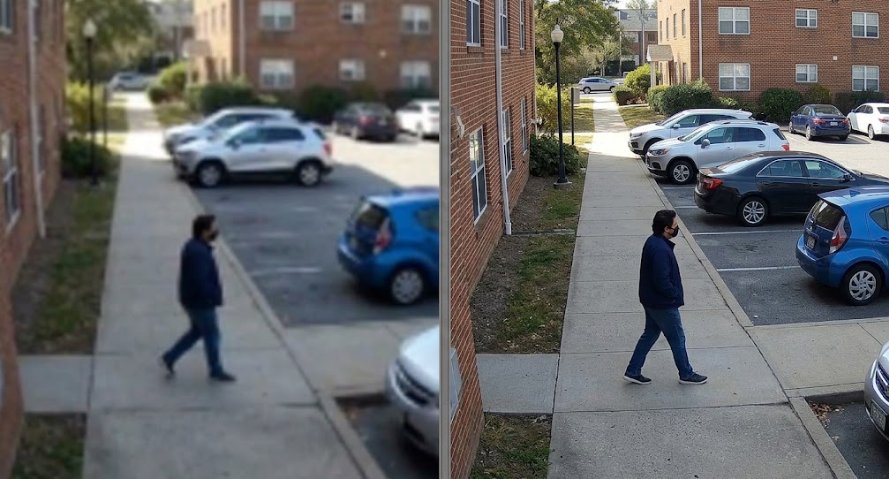
Person detection security camera technology uses smart algorithms to identify human shapes specifically, rather than triggering an alert for any movement at all. This means fewer false notifications from blowing leaves, passing cars, or shadows, and more meaningful alerts when someone actually walks into frame.
If you have ever owned a basic motion activated camera, you already know the frustration of a phone buzzing constantly over nothing. Person detection was developed to solve exactly that problem, and it has quickly become one of the most requested features for anyone shopping for a new outdoor camera.
How Person Detection Actually Works
Standard motion detection works by measuring changes in pixels between video frames. Anything that shifts, a tree branch, a car headlight, a cat crossing the yard, can trigger a recording or notification, which is why basic cameras often flood your phone with irrelevant alerts.
Person detection adds a layer of intelligence on top of that basic motion sensing. The camera analyses the shape and movement pattern within the detected motion and compares it against characteristics typical of a human figure, like height, proportions, and movement style. Only when those patterns match does the camera treat it as a genuine person related event.

Person Detection vs Standard Motion Detection
Understanding what is person detection security camera technology really means comparing it directly against the older motion based systems most people are already familiar with.
| Feature | Standard Motion Detection | Person Detection |
|---|---|---|
| Trigger method | Any pixel change in frame | Human shape and movement pattern |
| False alerts | Common, triggered by animals, weather, shadows | Significantly reduced |
| Notification relevance | Low, requires manual review | High, alerts focus on people |
| Best suited for | Small, enclosed spaces | Driveways, yards, open outdoor areas |
For properties with a lot of natural movement nearby, trees, traffic, pets, person detection is generally the more useful option, since it filters out the noise and focuses your attention on what actually matters. Standard motion detection can still work well in smaller, more controlled spaces where there is less background activity to begin with.
Why This Matters for Australian Homes and Businesses
Australian properties often deal with a lot of environmental movement, wind blown foliage, wildlife like possums or birds, and reflective glare from strong sunlight. All of these can set off a basic motion sensor constantly, which quickly leads to notification fatigue and people ignoring alerts altogether, even genuine ones.
Person detection cuts through that noise considerably. A camera watching a driveway lined with trees, for example, will still register the branches swaying without sending a notification, but will alert you the moment an actual person walks up the path. This is especially valuable for rural and semi rural properties where wildlife activity is constant throughout the day and night.
For businesses, particularly those monitoring a car park or loading dock overnight, this distinction matters even more. Fewer irrelevant alerts means staff are more likely to actually check the ones that come through, rather than dismissing notifications out of habit.
Choosing the Right Camera for Reliable Person Detection
Not every camera on the market handles person detection equally well, and picking the right hardware makes a noticeable difference in how accurate and useful the feature actually is day to day.
The Solar Camera Pro 2.0 4G suits properties without reliable WiFi, using cellular data to send alerts and footage while still running smart detection to filter out irrelevant movement. This makes it a strong option for rural blocks, sheds, or holiday properties where a fixed internet connection is not available.
The Solar Camera Pro 3.0 WiFi is better suited to properties with an existing wireless network, offering the same reliable detection without needing an ongoing SIM data plan. Both models store footage locally on an SD card, so reviewing a person detection event does not depend on a cloud subscription.

A practical tip worth keeping in mind: detection sensitivity settings usually need a bit of fine tuning after installation. Start with the default setting for the first few days, then adjust based on how many notifications you are actually receiving, tightening it if pets are still triggering alerts, or loosening it slightly if it feels too conservative for a busy front yard.
Addressing Common Privacy Questions
Person detection naturally raises questions about privacy, both for camera owners wanting to understand their own system, and for anyone wondering whether they might be watched without realising it.
If you are concerned about whether someone could be watching through your own phone, this is generally only possible if a device has been compromised through malware, an unauthorised app, or someone else having access to your accounts and passwords. Keeping your phone's software updated, using strong unique passwords, and avoiding suspicious app downloads significantly reduces this risk. It is a different concern entirely from a security camera on your property, which only records what it is physically pointed at and only accessible through your own secured app login.
As for knowing whether you are being watched by someone else's security camera, visible cameras are the most obvious sign, but some systems are deliberately discreet. Checking for small lens glints, unusual mounted devices, or asking directly if you are on private property are the most reliable ways to confirm.
Whether a camera records audio alongside video also varies significantly by model and by state law. Our guide on can security cameras record audio covers this in more detail, including how audio recording rules differ across Australian jurisdictions, and our related article on do security cameras have sound breaks down which types of systems typically include a microphone at all.
Note: This section provides general information only and does not constitute legal advice. For specific concerns about privacy law, audio recording, or surveillance in your state, it is best to consult a qualified legal professional.
Things to Know About Person Detection Security Cameras
Before buying a camera with this feature, a few practical points are worth understanding so your expectations match how the technology actually performs.
- Person detection accuracy can dip slightly in very low light or at long distances, so camera placement and lighting still matter even with smart detection enabled.
- Detection zones let you exclude areas like a busy footpath or neighbouring property, which pairs well with person detection to further cut down on irrelevant alerts.
- Solar powered cameras with person detection still need good sun exposure to run detection processing reliably, since this feature draws more power than basic motion sensing.
- No detection system is perfectly accurate, occasional false positives or missed detections in unusual lighting or weather are normal and not a sign of a faulty unit.
- For businesses managing multiple entry points, combining person detection with a broader camera network gives more complete coverage than relying on a single unit.
For anyone comparing broader placement strategies, our guide on where to place security cameras is a useful companion read alongside choosing a model with reliable detection features.
Wrapping Up
Understanding what is person detection security camera technology comes down to recognising it as a smarter filter on top of standard motion sensing, one that focuses your attention on actual people rather than every leaf or shadow that crosses the frame. For Australian properties dealing with wildlife, foliage, and unpredictable weather, that distinction genuinely improves how useful a security system feels day to day.
If you are ready to compare models with this feature built in, browsing our 360 degree security camera collection or the wide angle security camera range is a good next step for finding the right coverage for your property.

Frequently Asked Questions
What is the difference between motion detection and person detection?
Motion detection reacts to any pixel change, while person detection specifically identifies human shapes. This means person detection filters out animals, weather, and shadows that would otherwise trigger a standard motion alert.
How do you know if someone is watching you on a security camera?
Look for visible cameras, lens glints, or unusual mounted devices in your surroundings. If you are unsure whether you are on private property being monitored, asking directly is the most reliable way to confirm.
Can someone watch you through your phone without you knowing?
Only if your phone has been compromised through malware or unauthorised access. Keeping software updated and using strong, unique passwords significantly reduces this risk, and it is unrelated to how a security camera on your own property functions.
Do motion detection cameras record all the time?
No, most motion and person detection cameras only record when triggered by movement. This helps conserve battery and storage space compared to continuous recording systems.
Can you hear conversations through security cameras?
Only if the camera has a built in microphone and audio recording enabled. Audio recording laws vary by state in Australia, so it is worth checking local legislation or seeking legal advice for specific situations.