

Filters
25 products
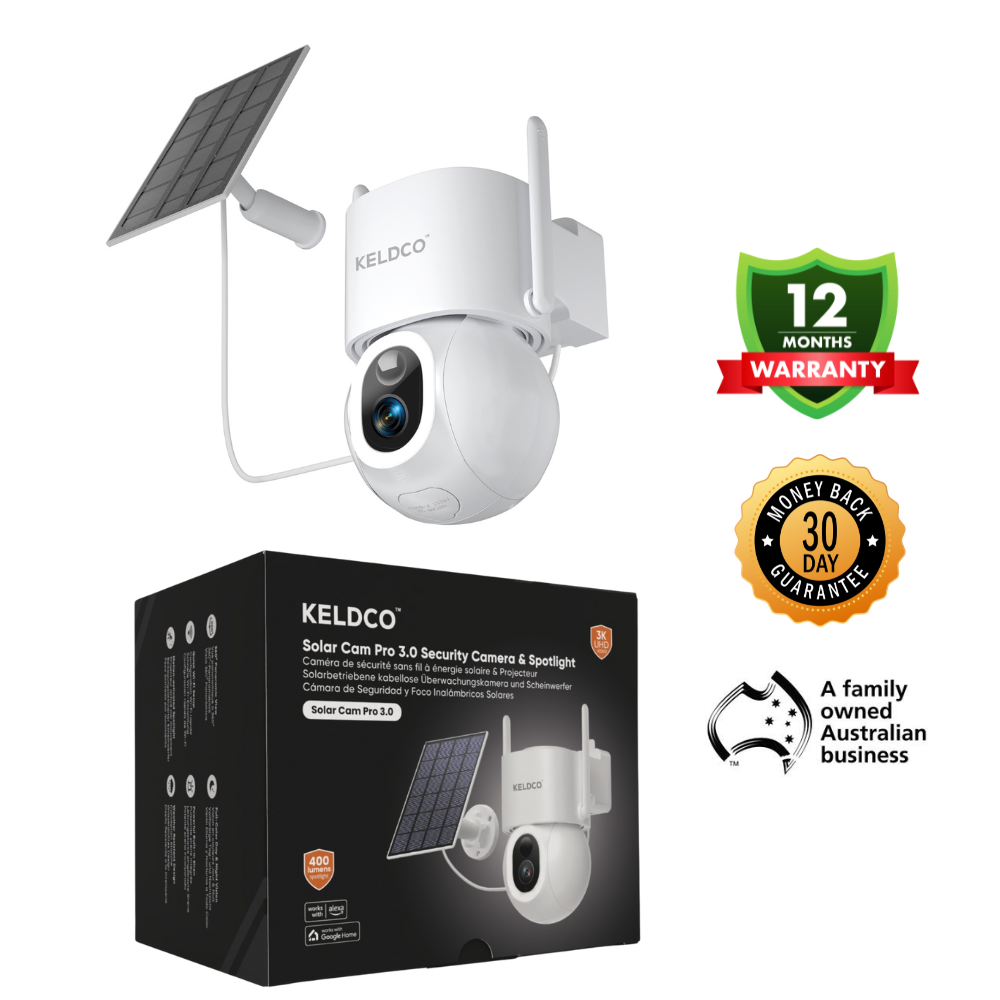
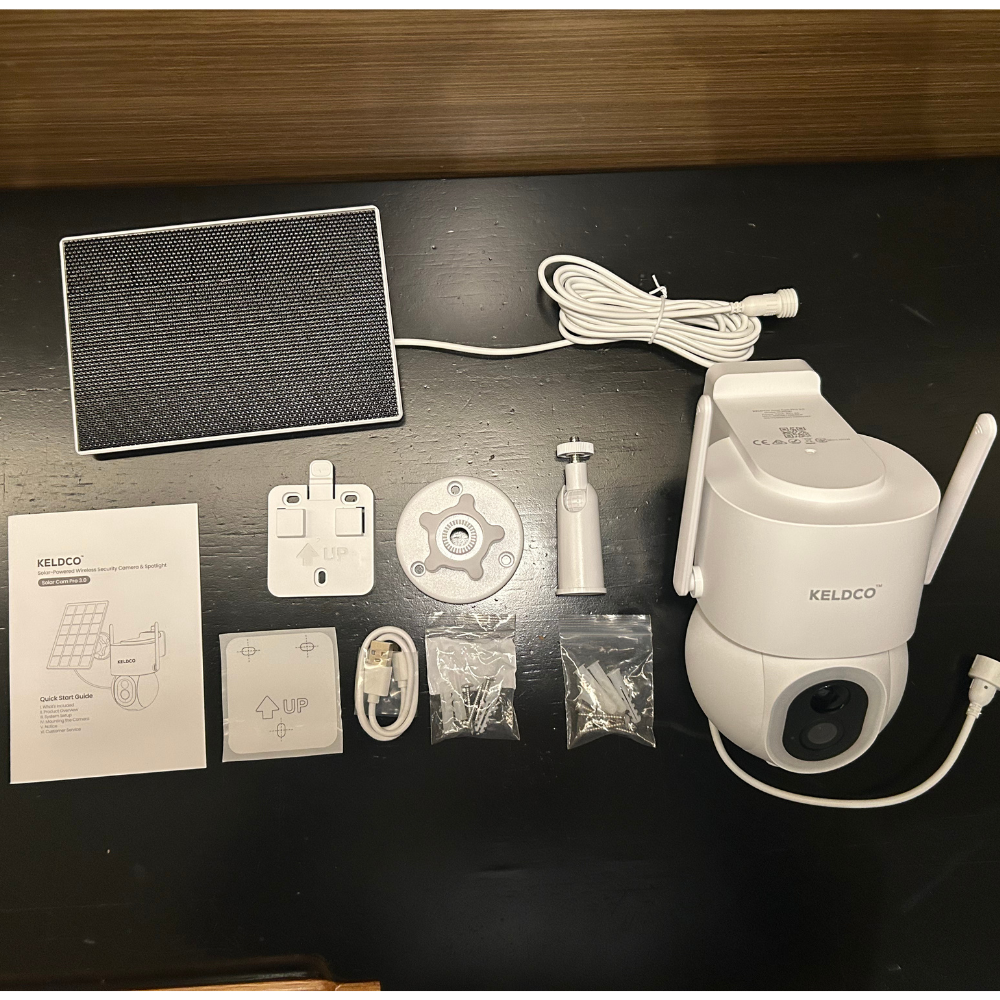
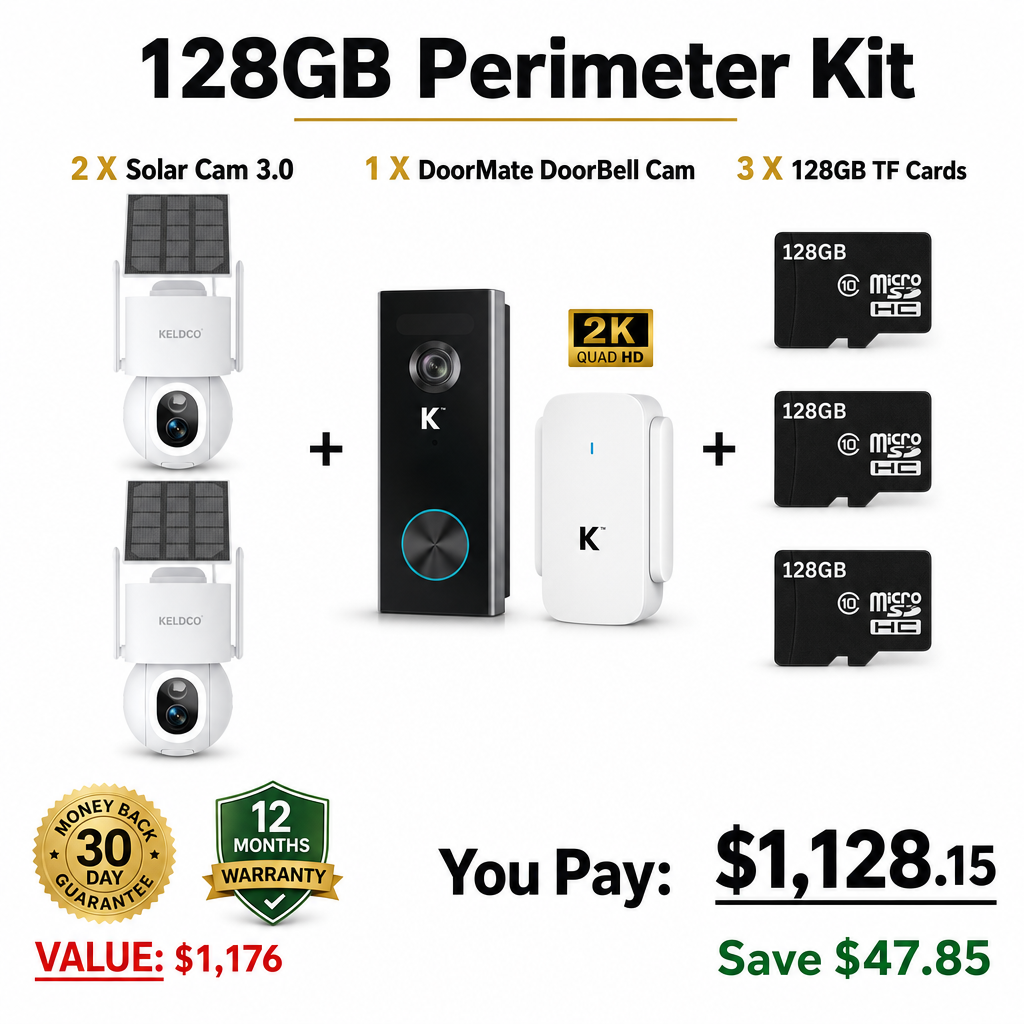
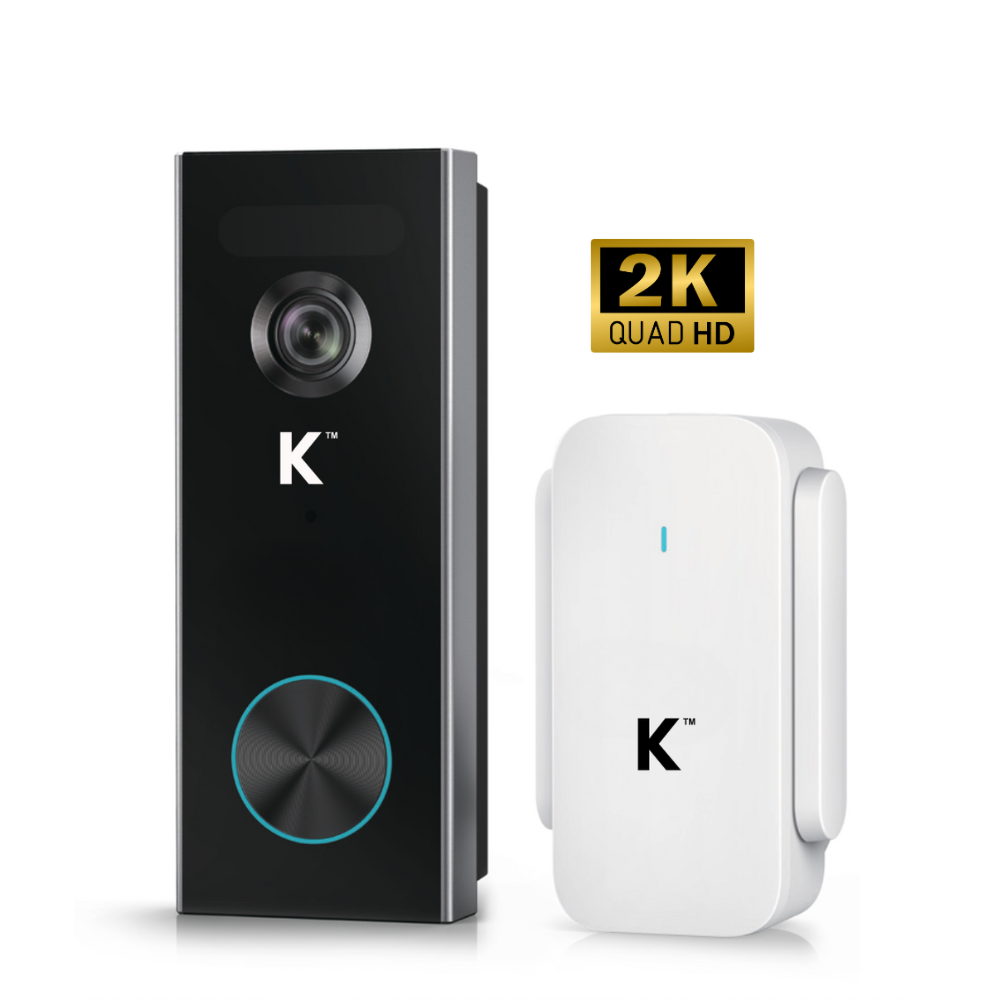
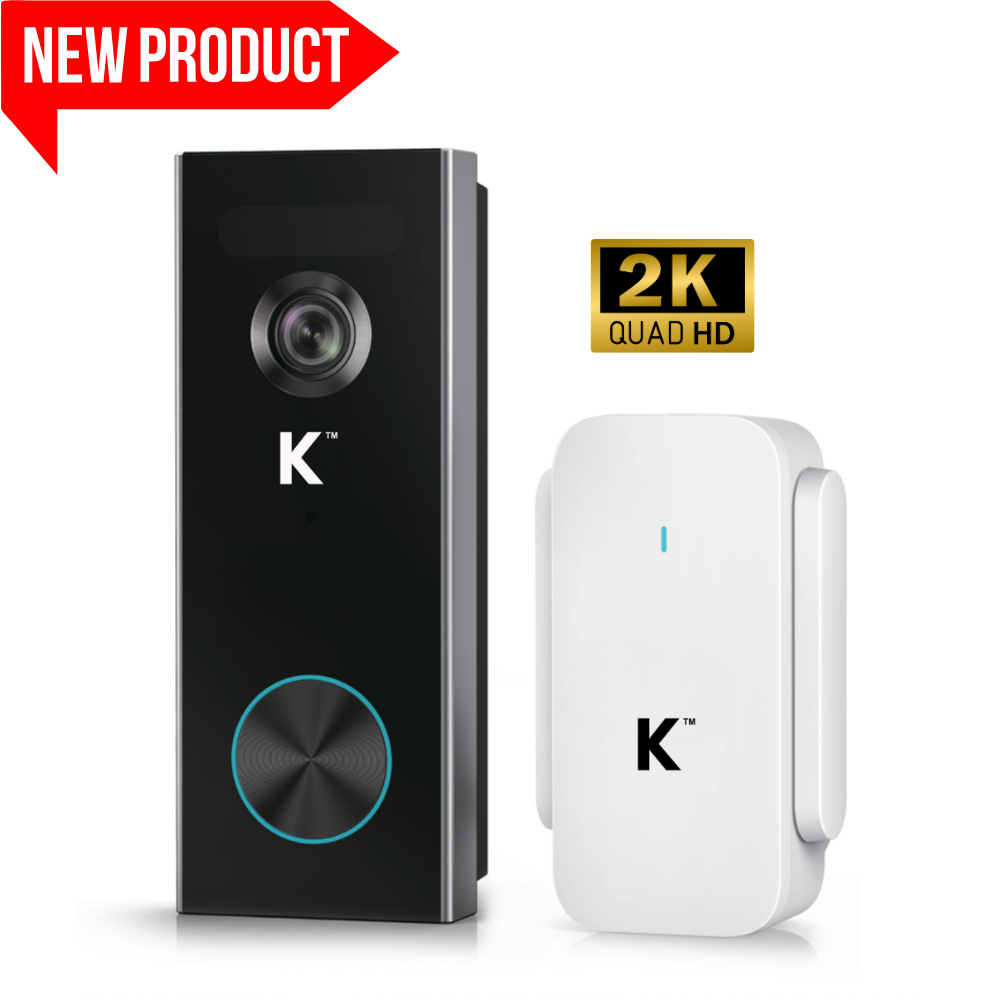
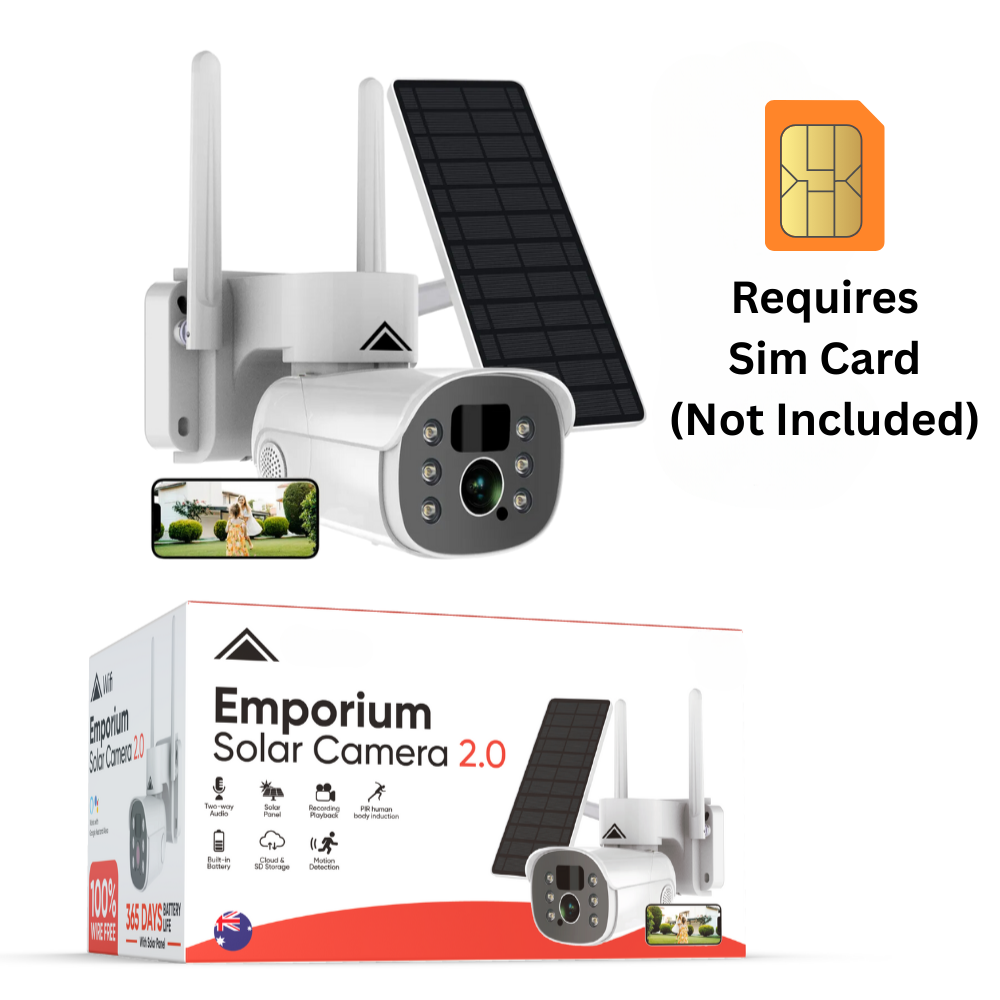
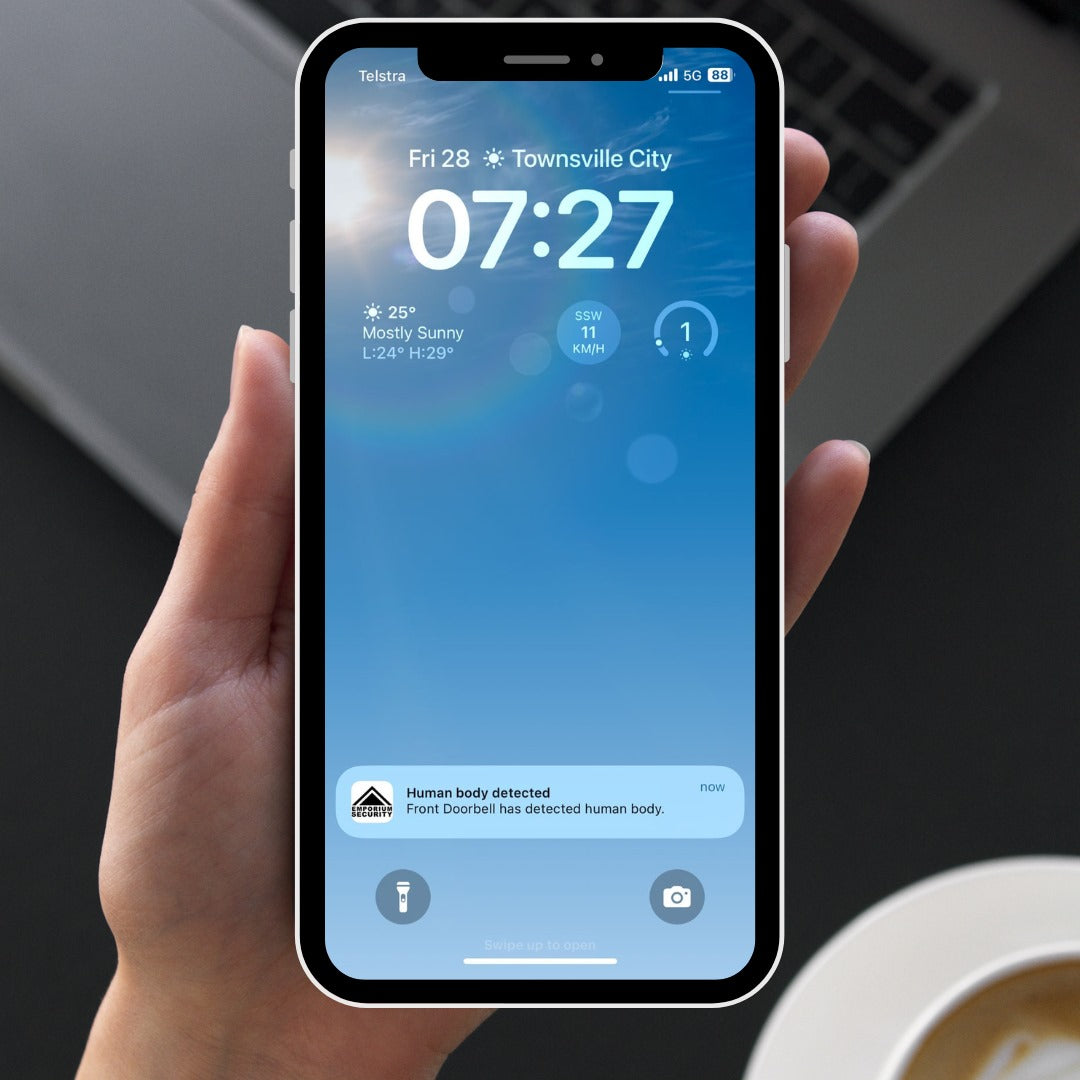
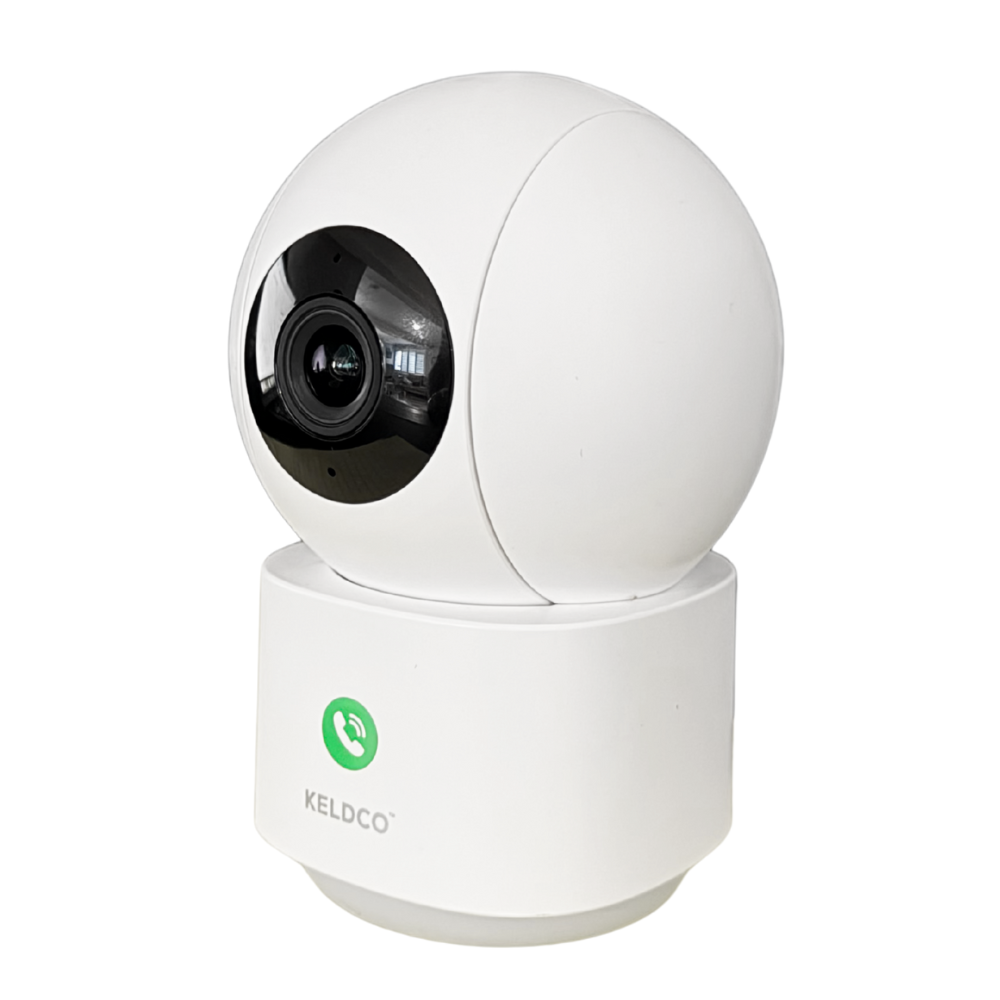
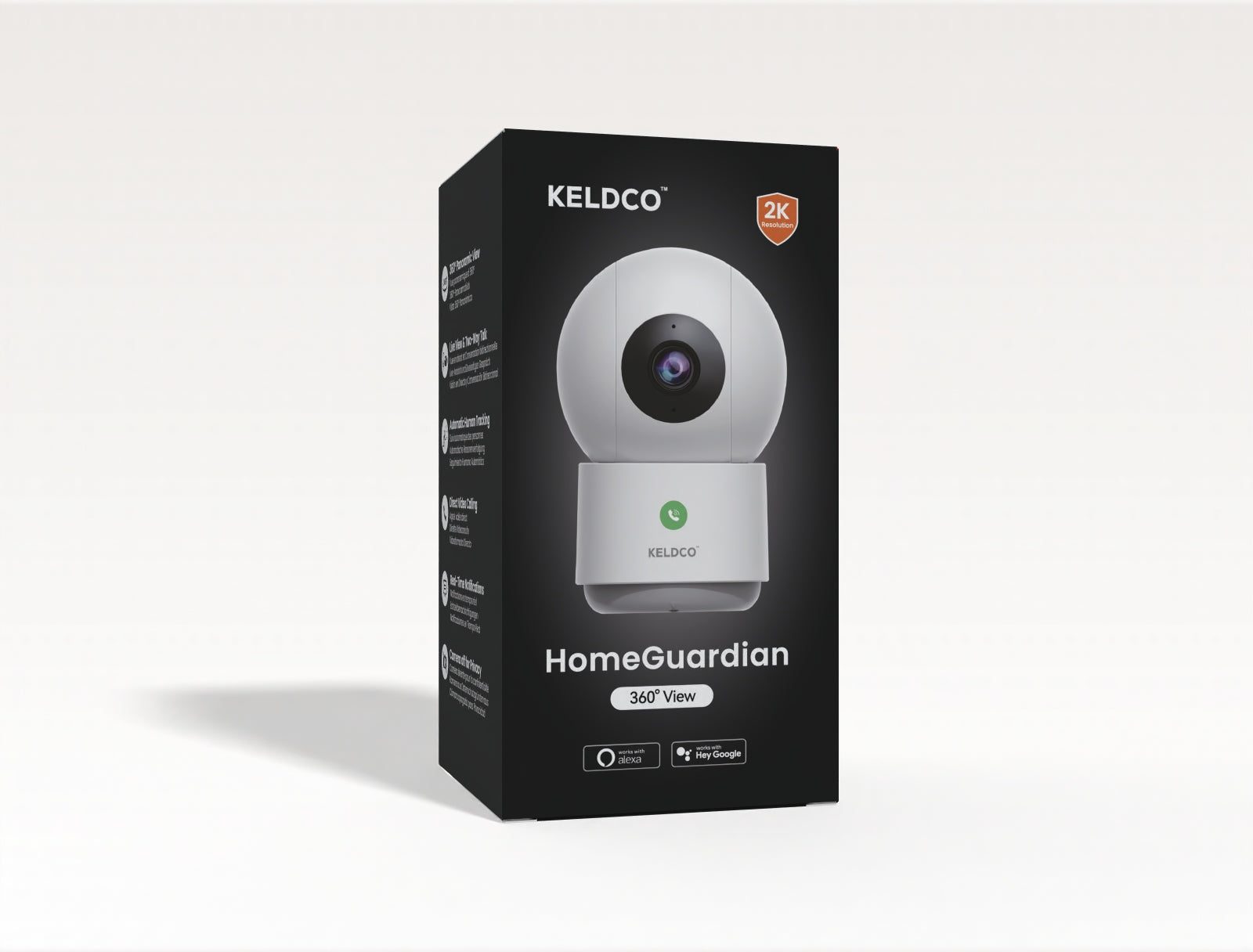
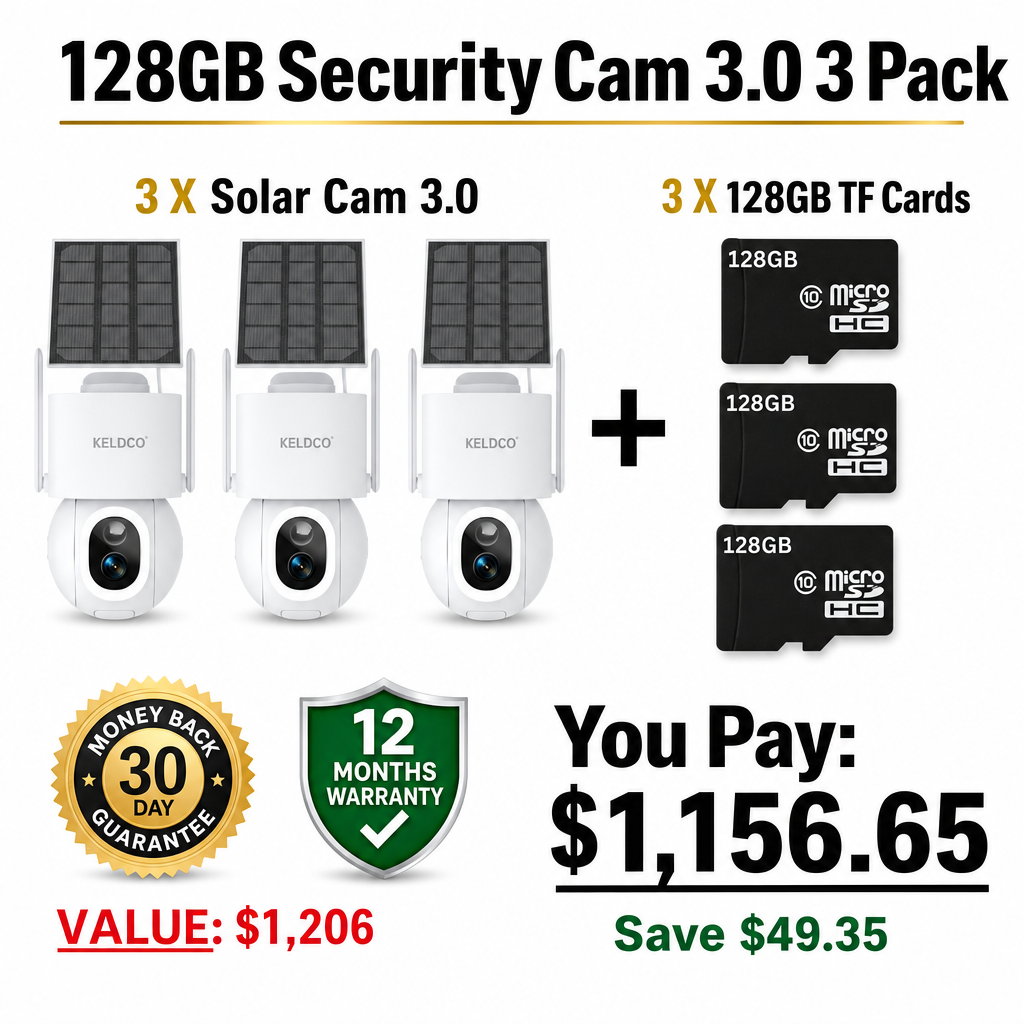
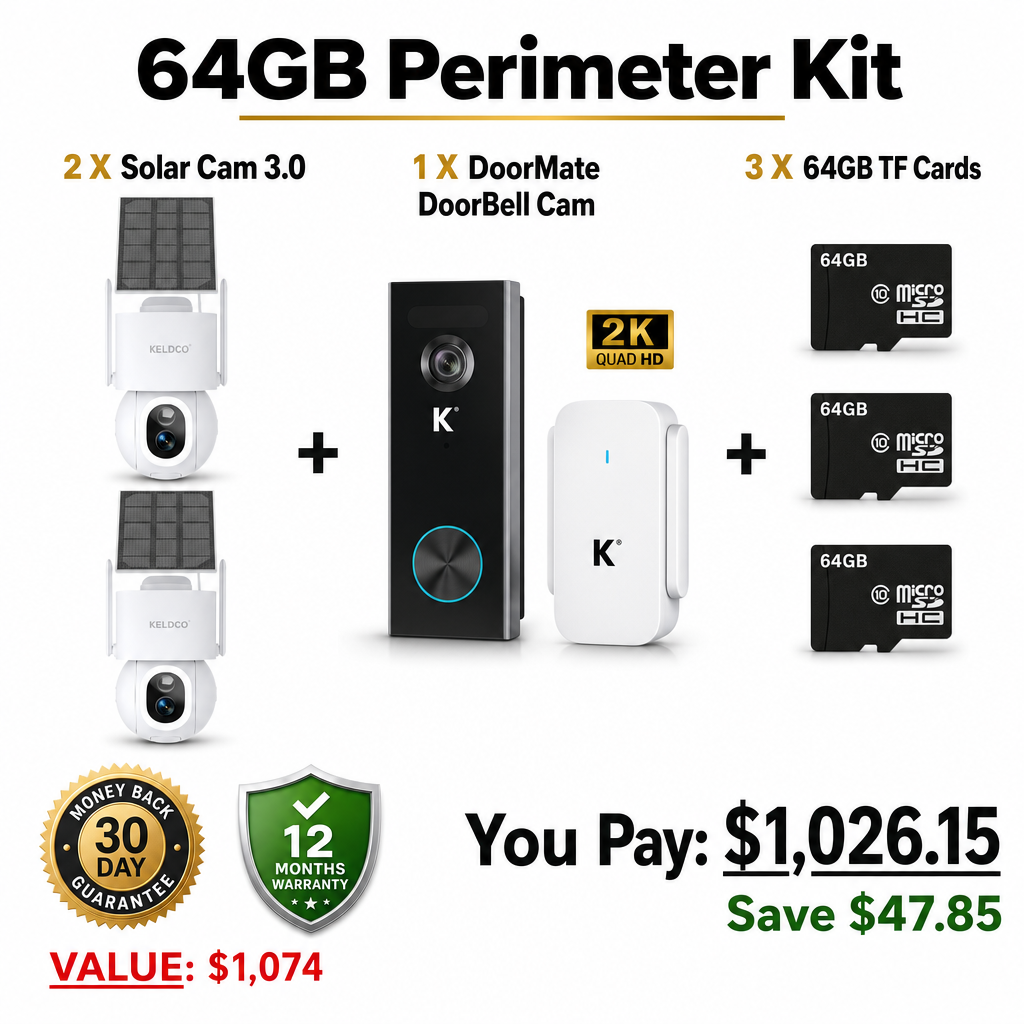
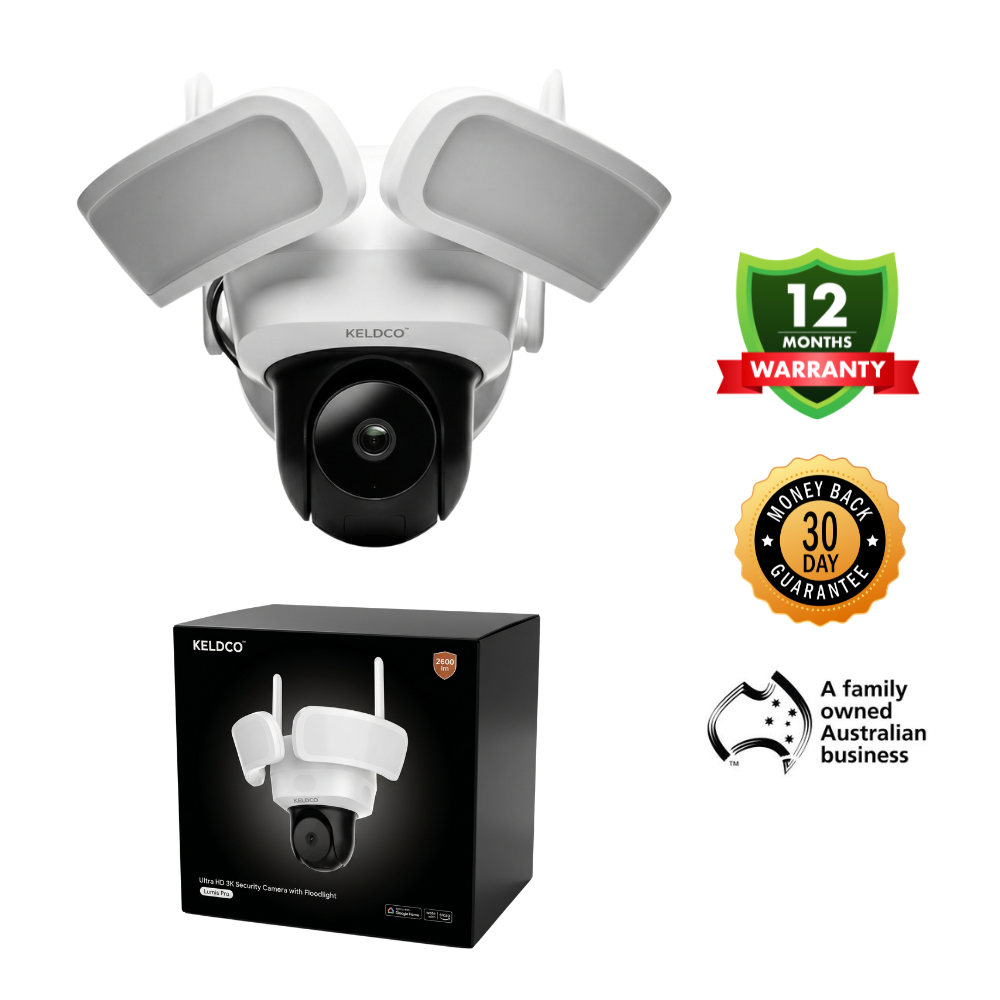
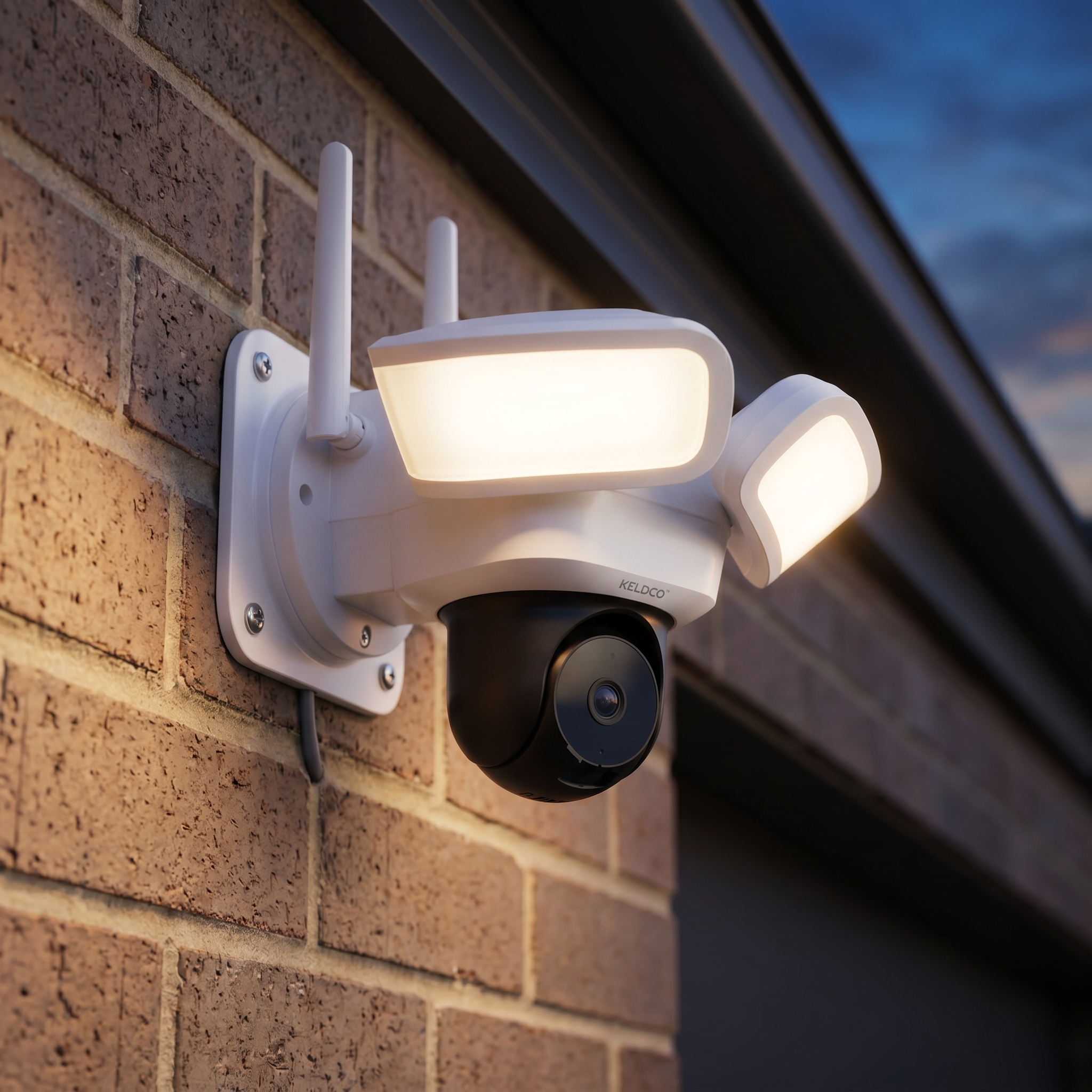
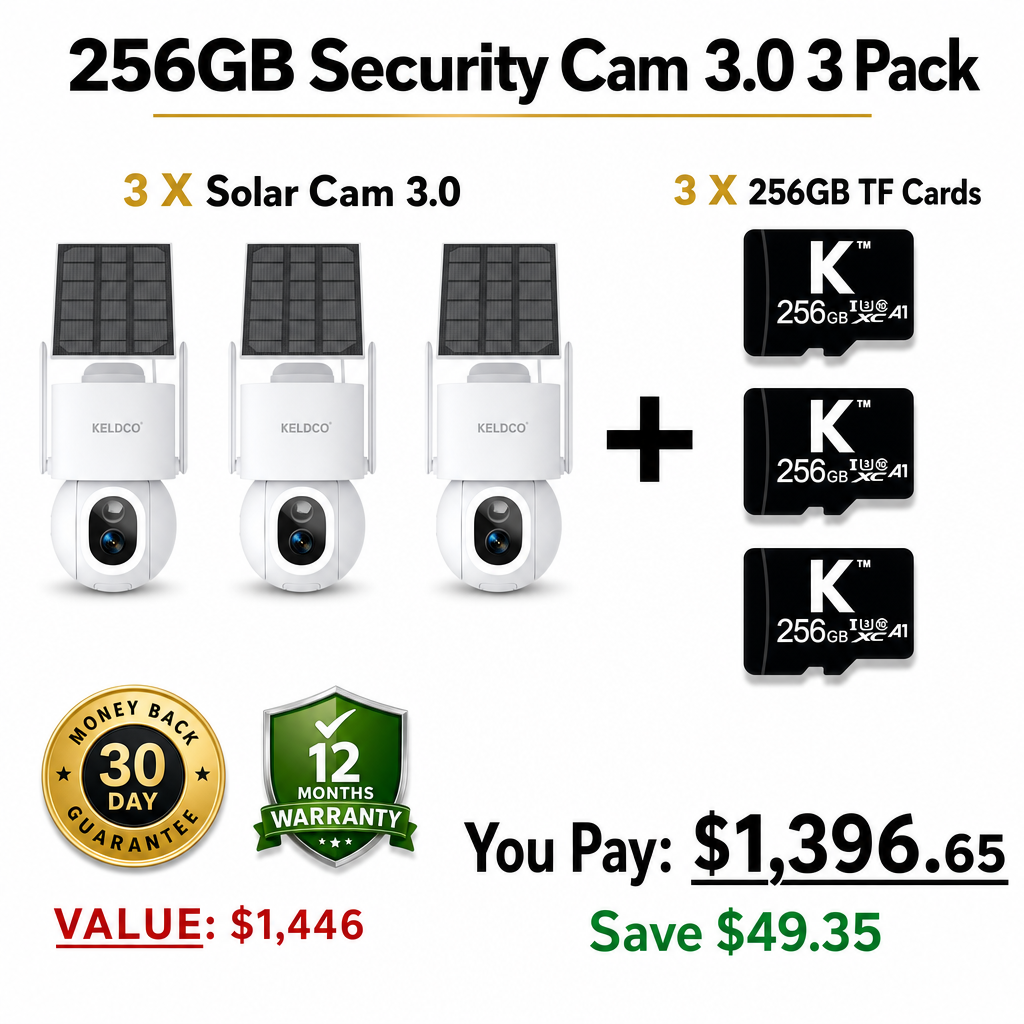
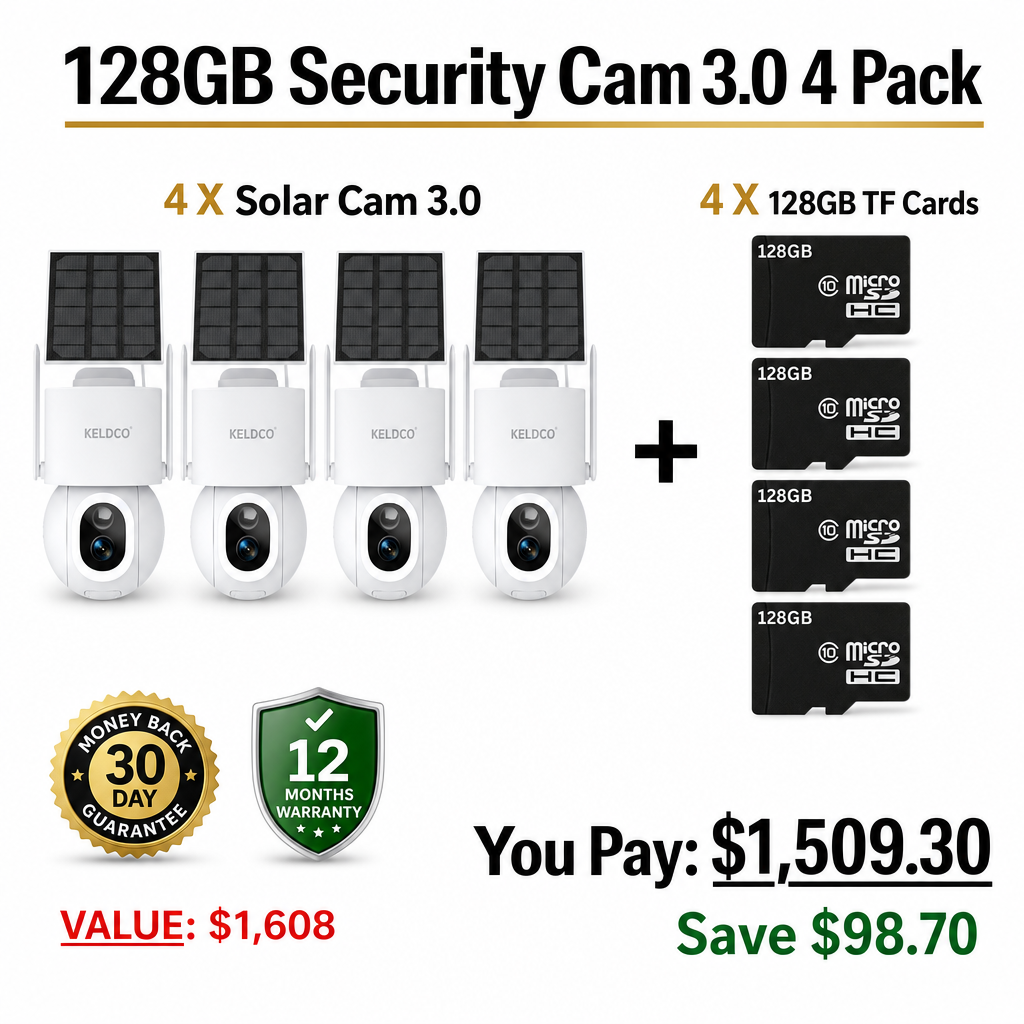
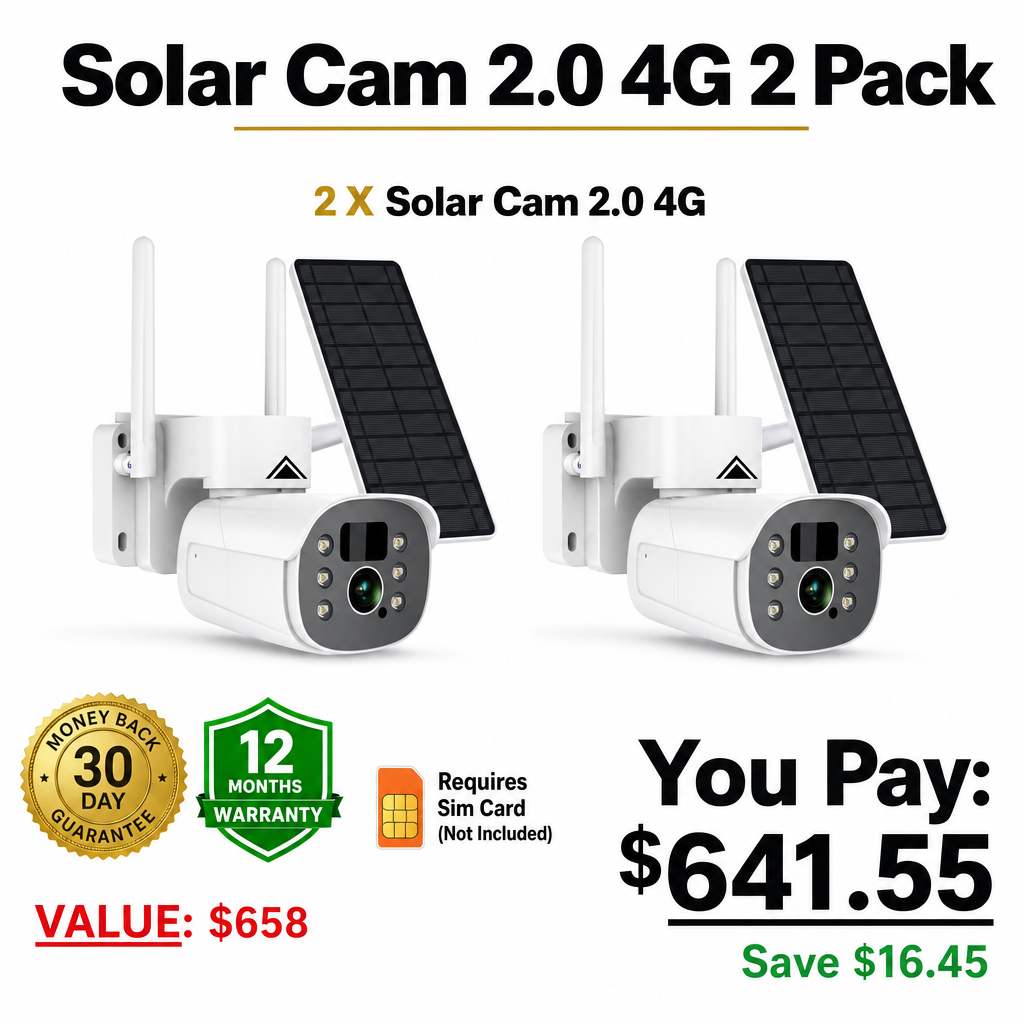

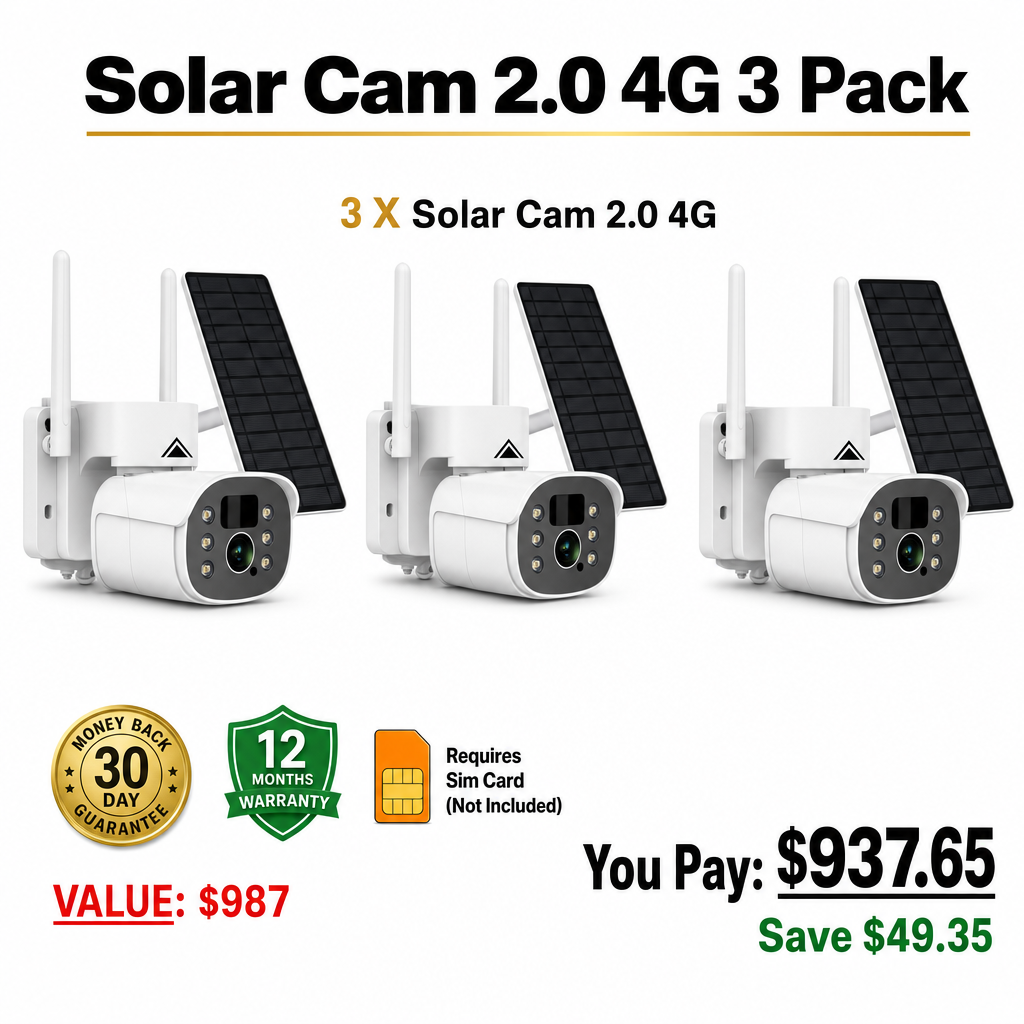
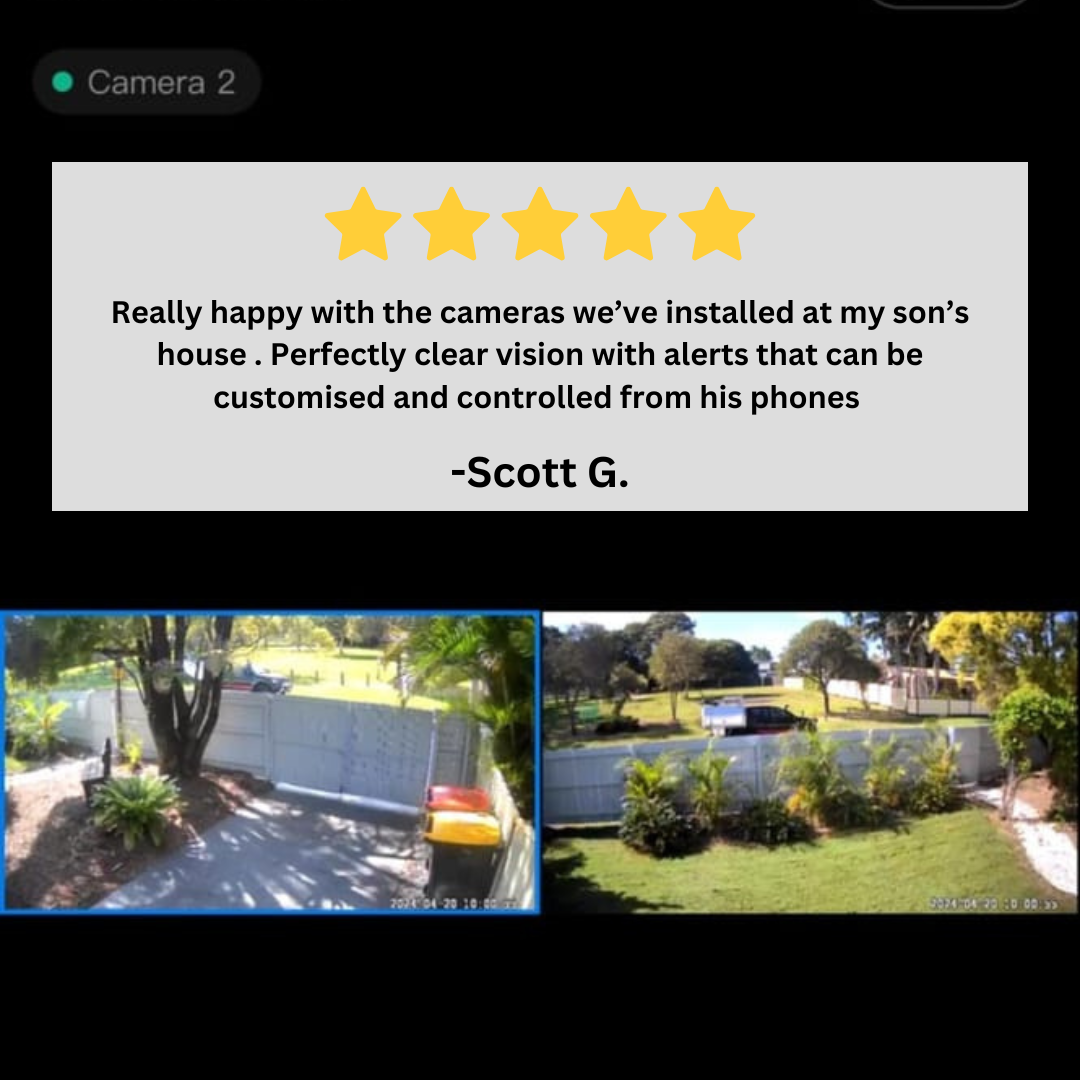

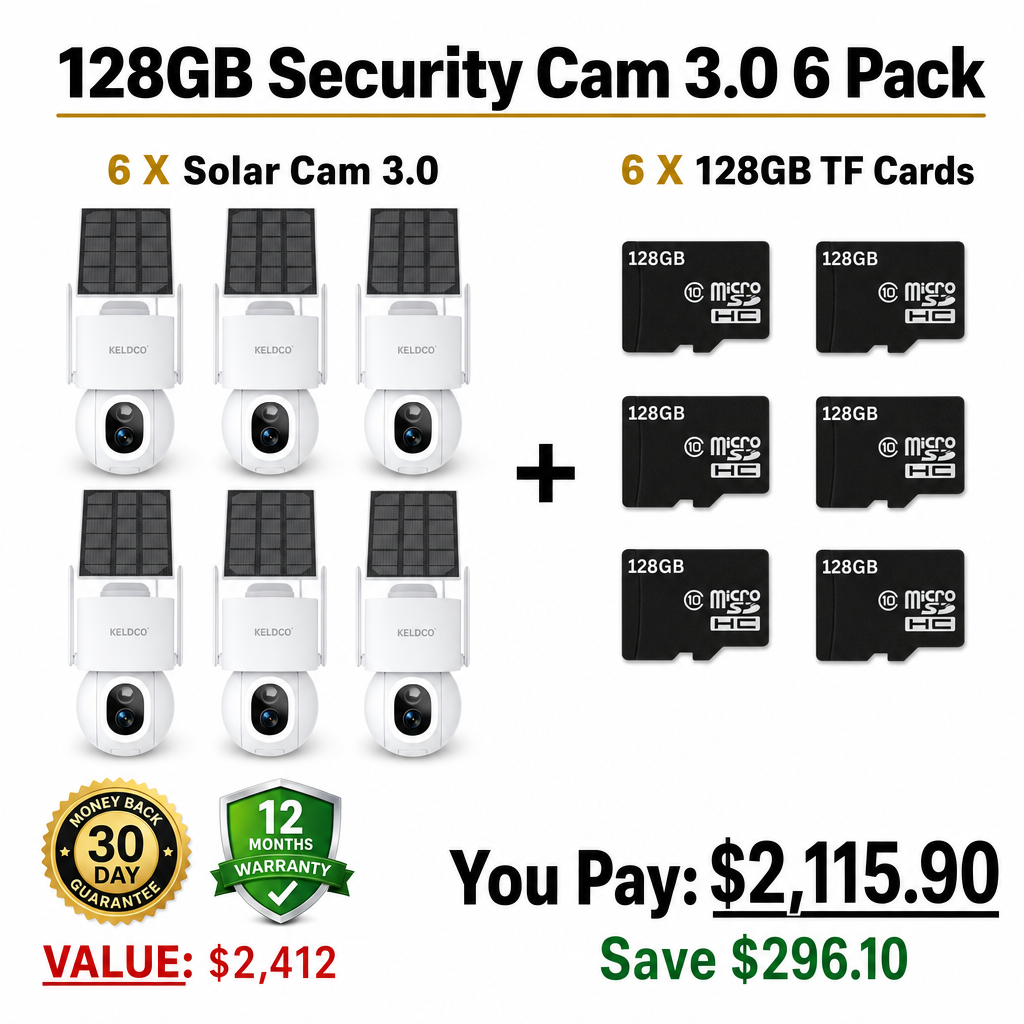



A pool area brings its own set of security considerations, more than just theft or intrusion. It's a high-humidity, often unsupervised outdoor space where visibility matters as much for safety as it does for security. KeldCo's pool area cameras are built to handle the conditions and give you a clear view whenever you need it.
Why a Pool Area Needs Its Own Camera Setup
A camera designed for a front door doesn't always hold up well near a pool, and the priorities are slightly different too.
Humidity and Splash Exposure
Pool areas deal with constant moisture, chlorine exposure, and splashing, on top of the usual sun and rain. A genuine outdoor IP rating matters more here than almost anywhere else on the property.
Wide Coverage of an Open Area
Unlike a front door, a pool area is usually open on multiple sides, so a wide-angle lens placed at the right height covers more of the space without needing several cameras.
Glare From Water and Sunlight
Reflected sunlight off the water's surface can wash out footage on lower-quality cameras. Wide dynamic range handles this far better, balancing bright reflections against the rest of the frame.
What a Pool Camera Is Actually Useful For
After-Hours Monitoring
A motion-triggered camera gives you a clear alert if anyone enters the pool area outside normal hours, which matters for both security and general peace of mind.
General Supervision Support
A camera can support, but shouldn't replace, active supervision around water. It's a useful additional layer, particularly for checking on the area when you're inside or away from direct sightline.
Evidence and Accountability
If an incident, dispute, or unauthorised access occurs, locally stored footage gives you a clear, unedited record of what happened.
Things to Know
-
A security camera is not a substitute for pool fencing or supervision — it's a monitoring tool, not a safety barrier or a replacement for active supervision around water.
-
Check the legal requirements in your area before installing, since rules around camera placement, fencing, and pool safety vary significantly by country, state, and even local council.
-
IP66 or higher weatherproofing handles splash and humidity better than a standard outdoor rating designed mainly for rain and dust.
-
Mount away from direct water spray where possible, since constant moisture exposure shortens the lifespan of even well-sealed cameras.
-
Local SD storage avoids cloud subscription costs, which matters if you're running multiple cameras across a larger outdoor area including the pool.
Explore More KeldCo Collections
-
Outdoor Security Cameras — weatherproof builds suited to humid, exposed areas.
-
Solar Powered Outdoor Security Camera — no wiring needed near the pool.
-
Security Camera Motion Detection — alerts focused on unsupervised pool access.
-
Night Vision Security Camera — clear visibility around the pool after dark.
Why Choose KeldCo
KeldCo was founded by Erin and Josh Salkeld after experiencing break-ins themselves, and that's shaped every camera the brand has built since. KeldCo is Australian owned and operated, with no subscriptions, ever, and footage stored locally on an SD card instead of someone else's cloud. The cameras, the app, and the support are all KeldCo's own, with no outsourced call centres standing between you and an answer. When you buy from KeldCo, you're backing people who built the protection they wished they'd had.
Frequently Asked Questions
What is the best camera to monitor a pool?
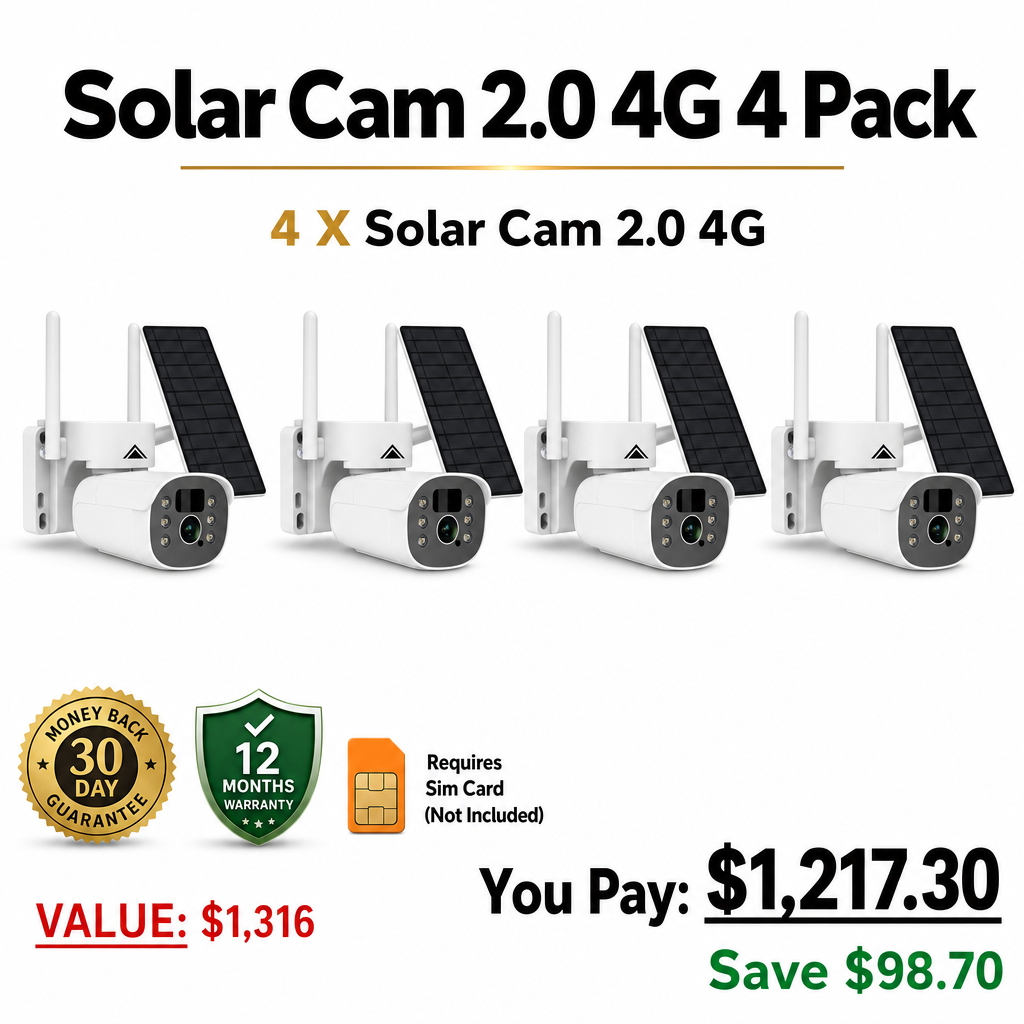
KeldCo's Solar Camera Pro 3.0 WiFi is well suited to pool areas, with a wide field of view, strong wet-weather durability, and colour night vision for low-light monitoring. For pool areas without reliable WiFi coverage, the Solar Camera Pro 2.0 4G offers the same performance over a mobile connection instead.
Is it legal to have cameras at a pool?
In most places, yes, installing a camera to monitor your own pool area is generally permitted, provided it isn't deliberately angled to capture a neighbour's private space, like their windows or backyard. Specific rules around pool safety, fencing, and surveillance vary by country and region, so checking your local council or privacy regulator is the most reliable way to confirm what applies to your property.
How to secure a pool area?
Pool area security typically combines physical measures, like compliant fencing and self-closing gates, with monitoring tools like motion-triggered cameras for after-hours alerts. The fencing and gates are about preventing access in the first place, while a camera adds visibility and a recorded account of anything that happens.
What is the best alarm system for an inground pool?
Pool alarm systems generally fall into two categories: gate or fence sensors that trigger on entry, and water-surface or sub-surface alarms that detect disturbance in the pool itself. Pairing either type with a motion-triggered camera like KeldCo's Solar Camera Pro range adds a visual record on top of the alert, which is particularly useful for confirming what actually triggered the alarm.
Should you have a camera on your pool?
A camera adds a useful layer of monitoring and accountability around a pool area, particularly for after-hours access and general oversight, but it should be treated as a supplement to proper fencing and active supervision, not a replacement for either. For most pool areas, a single wide-angle outdoor camera covering the main access points is enough to add meaningful visibility without needing a complex multi-camera setup.