

Filters
25 products
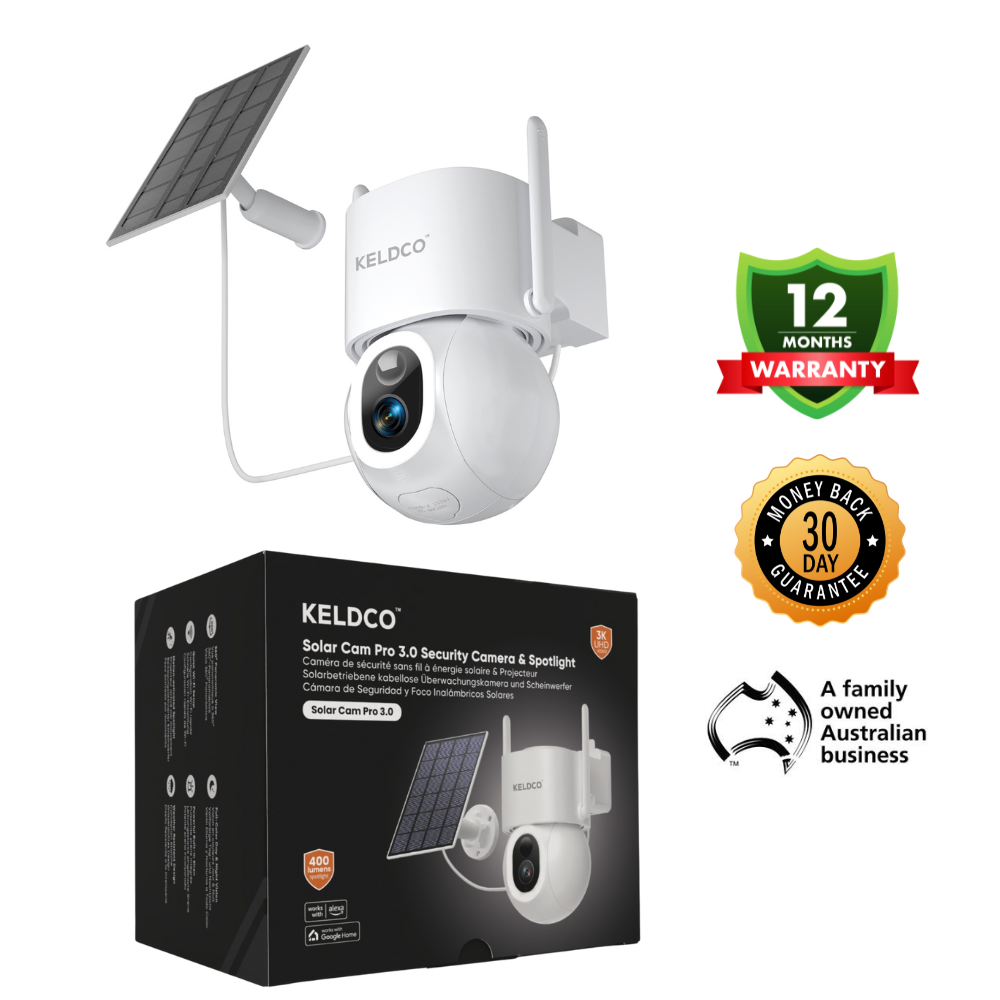
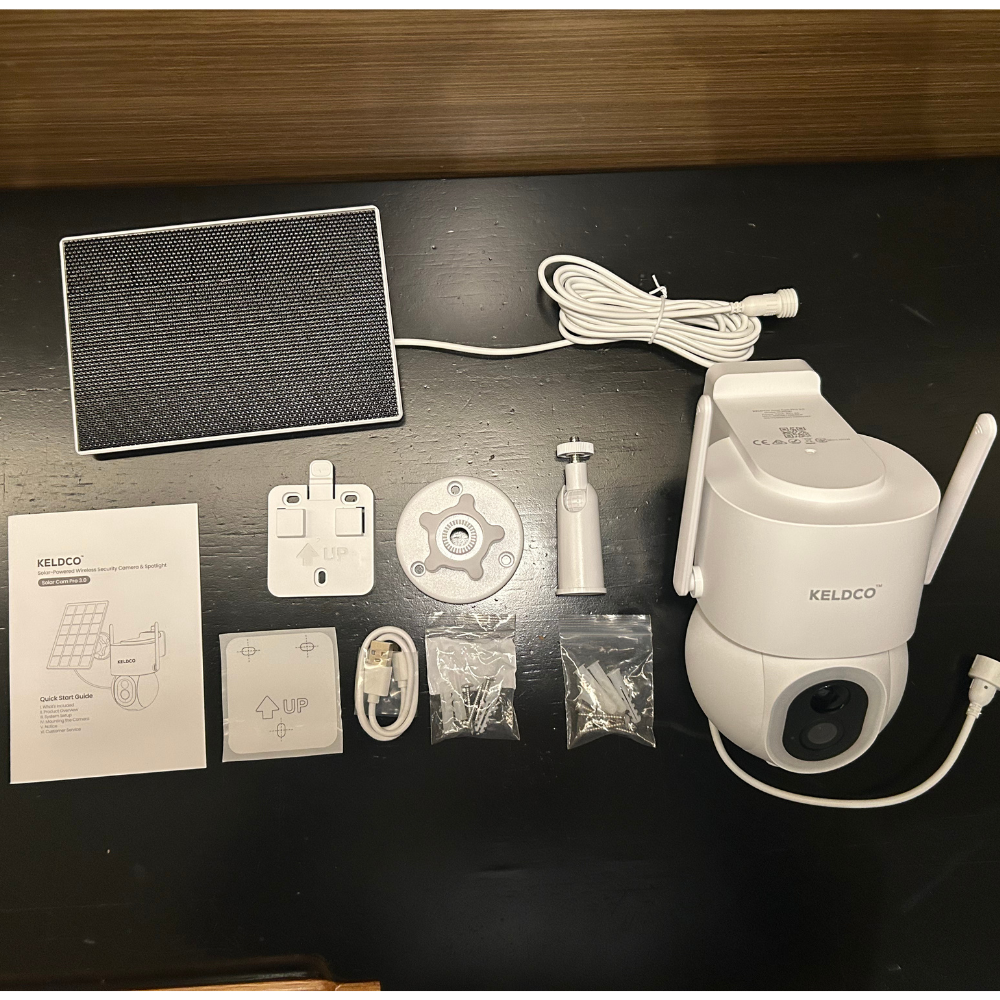
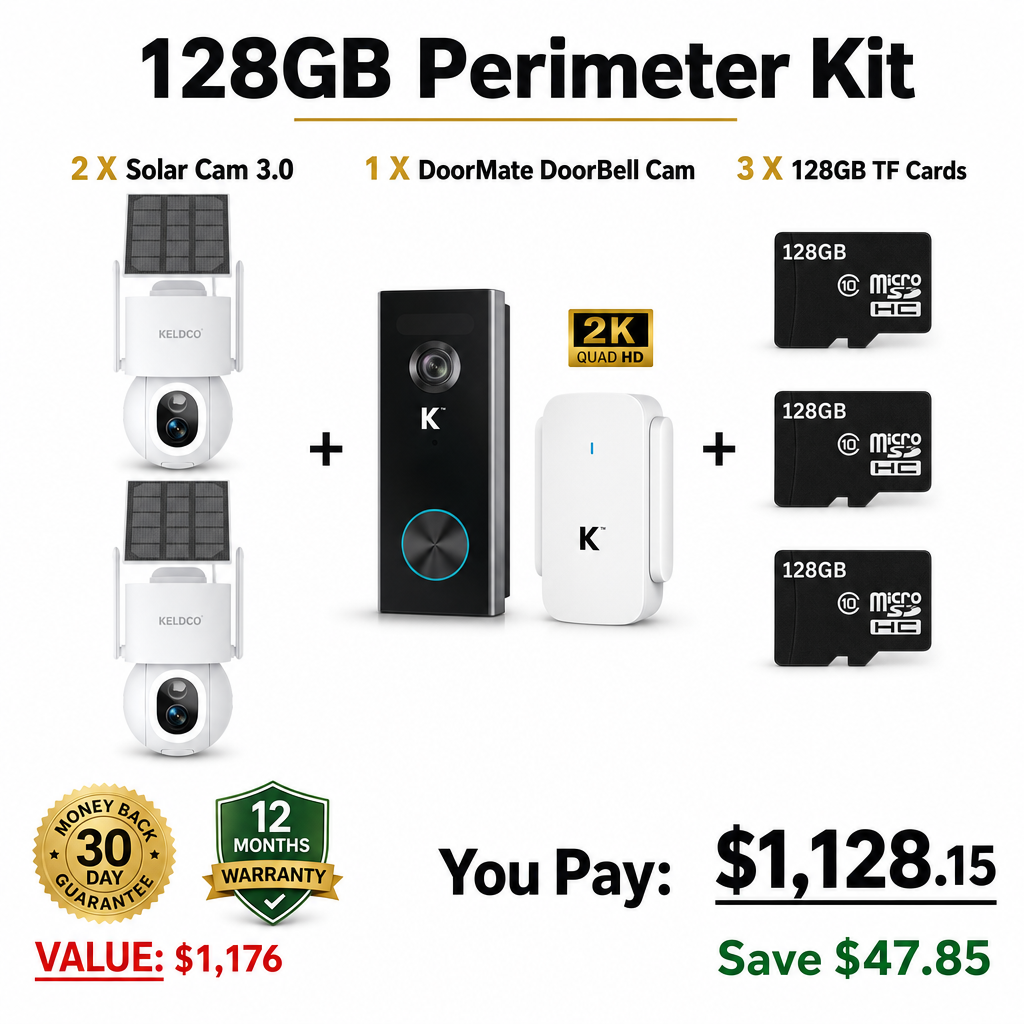
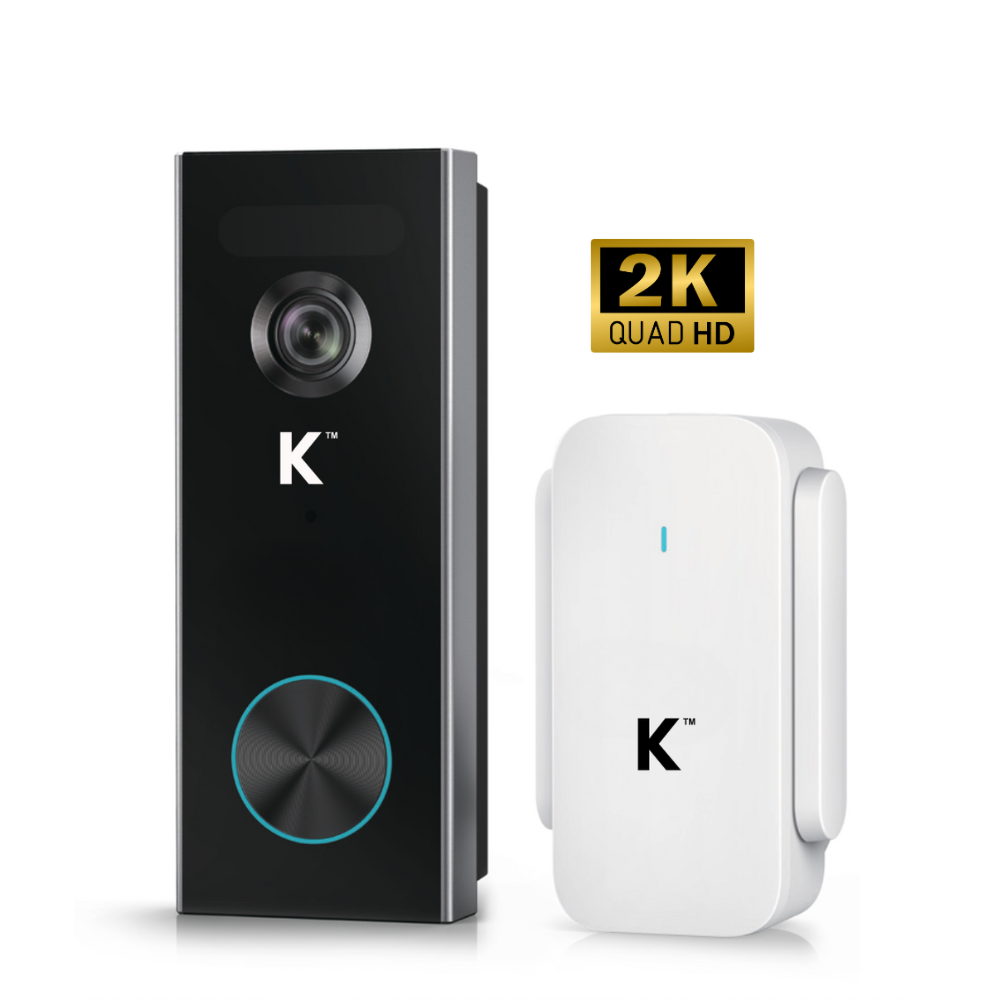
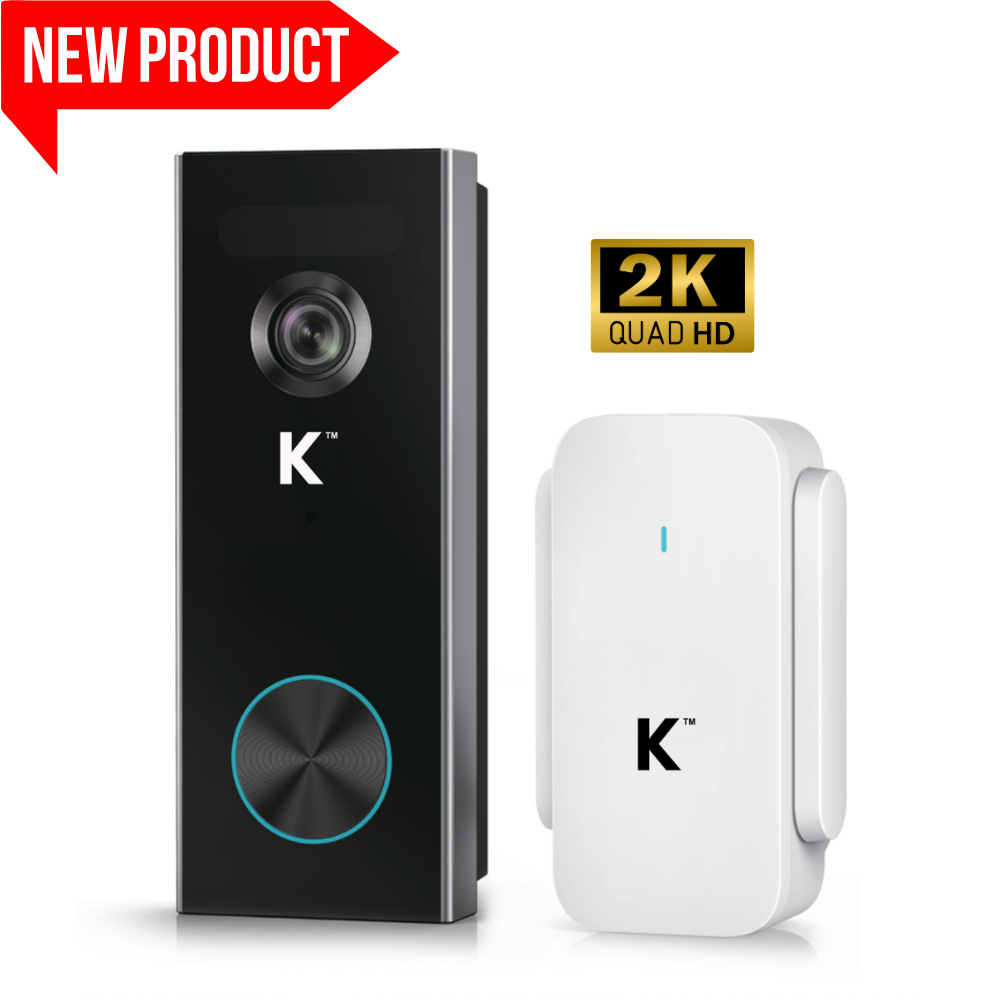
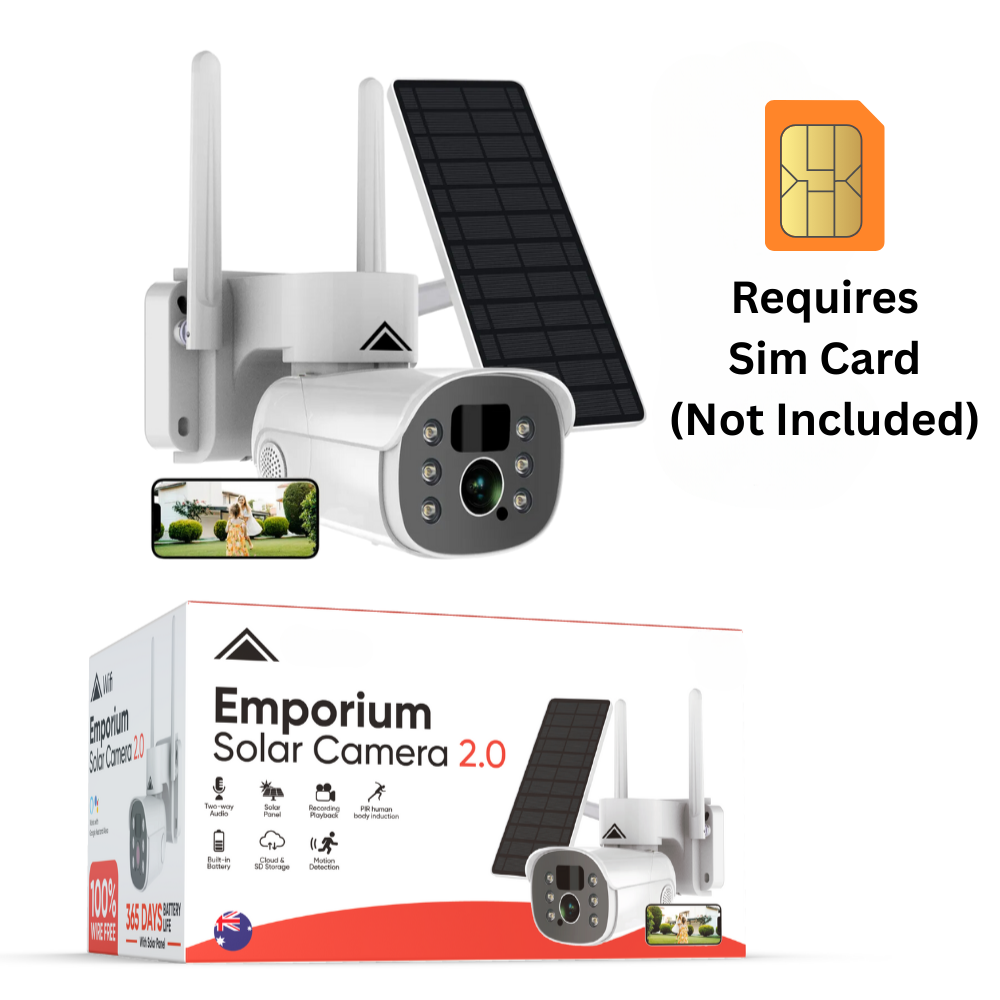
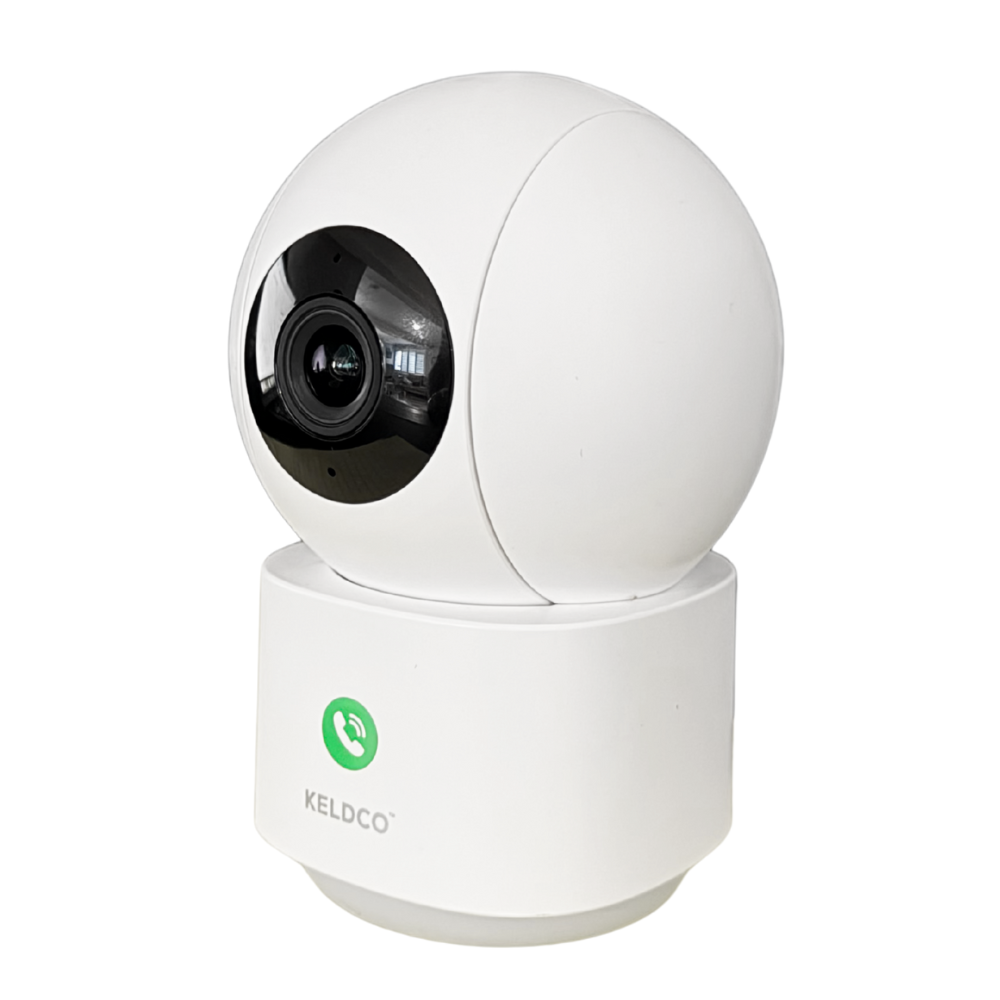
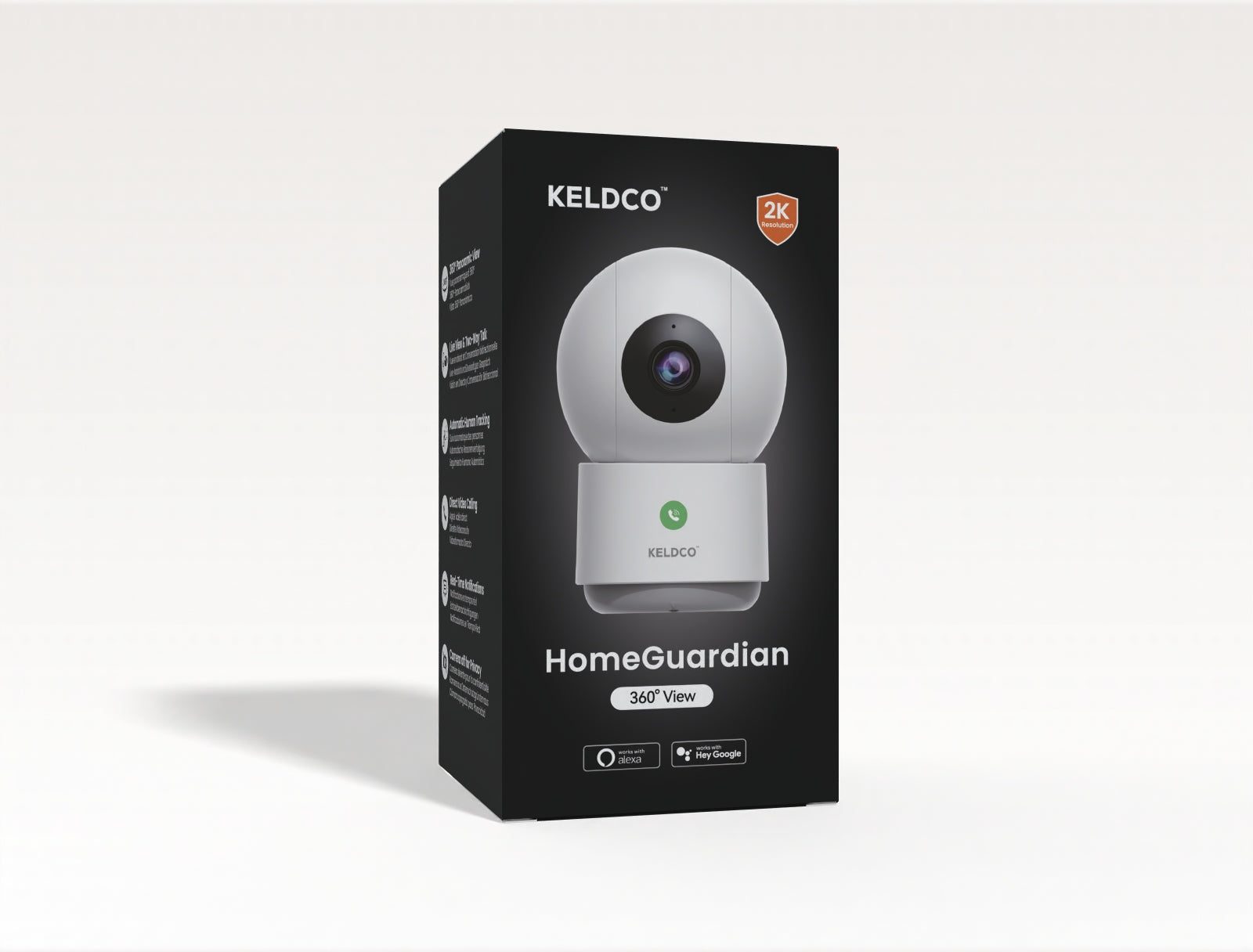
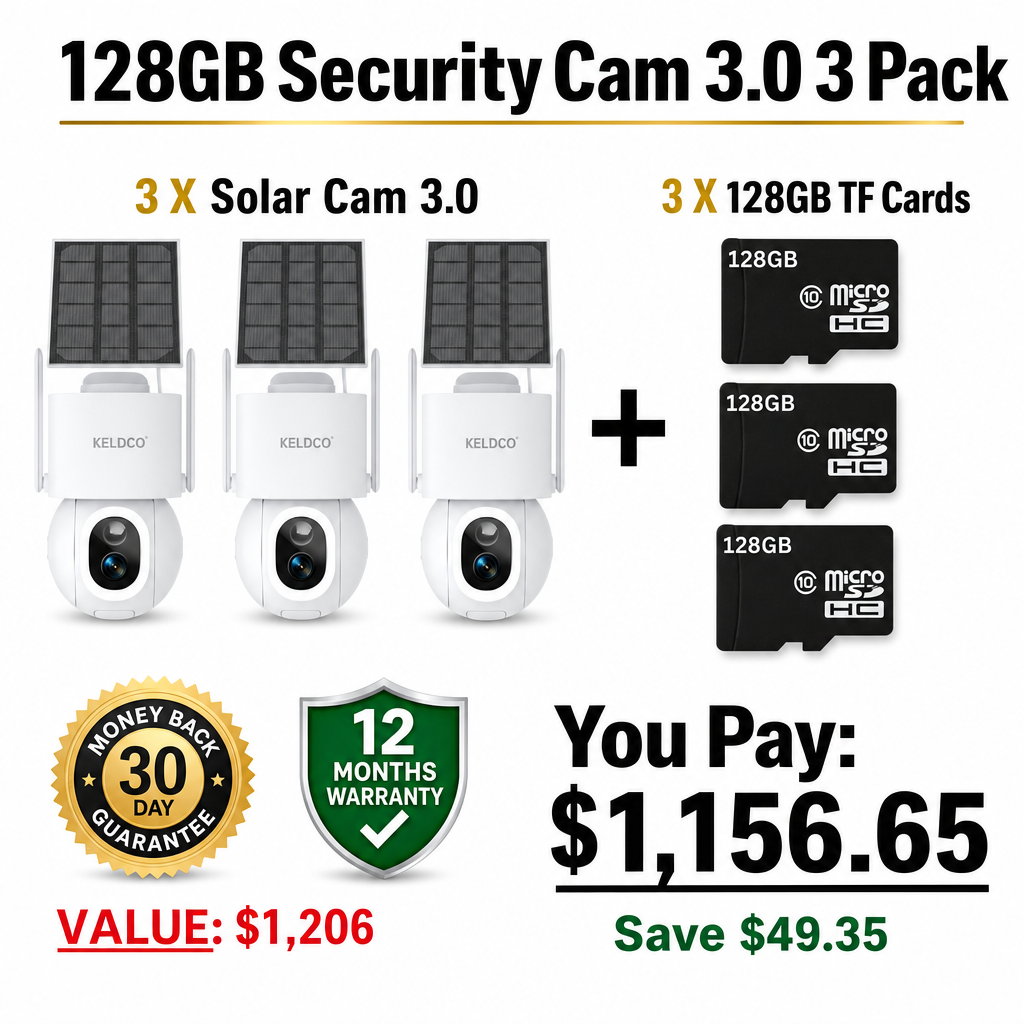
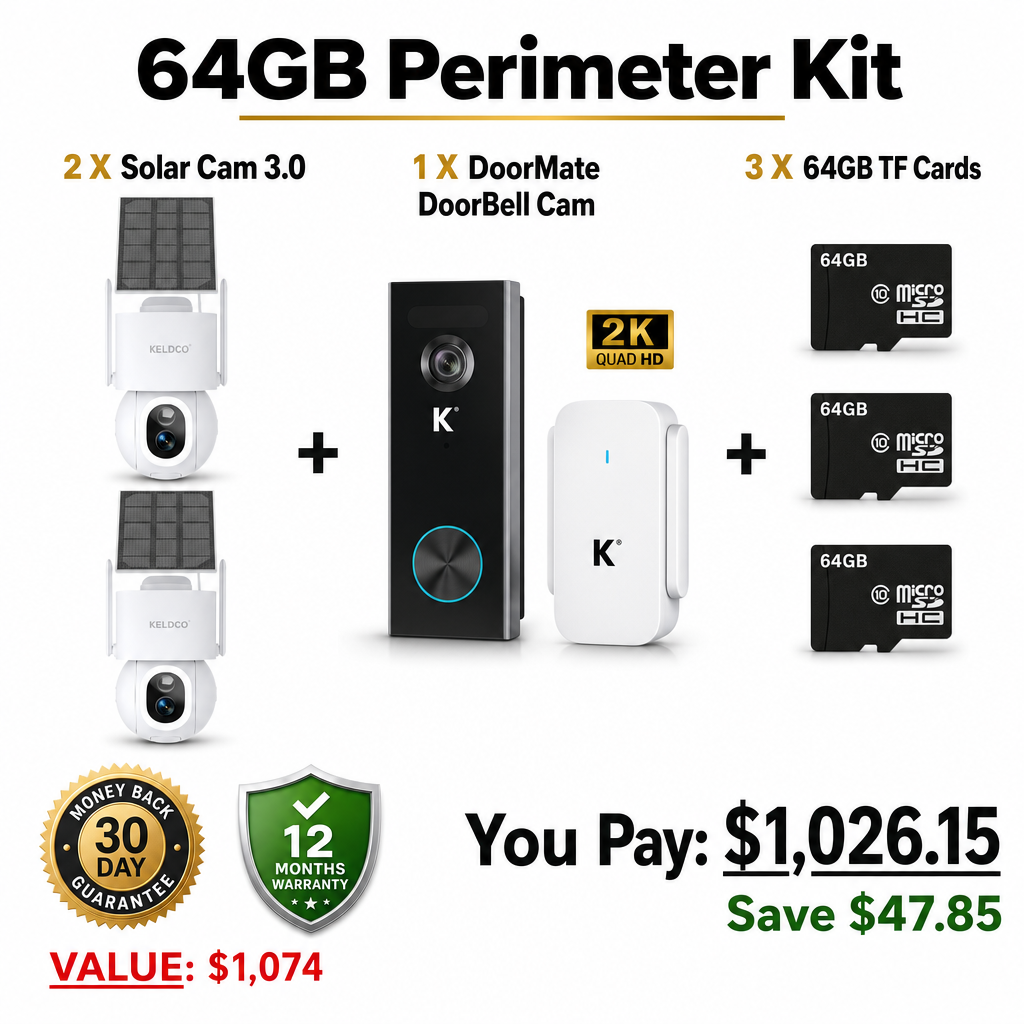
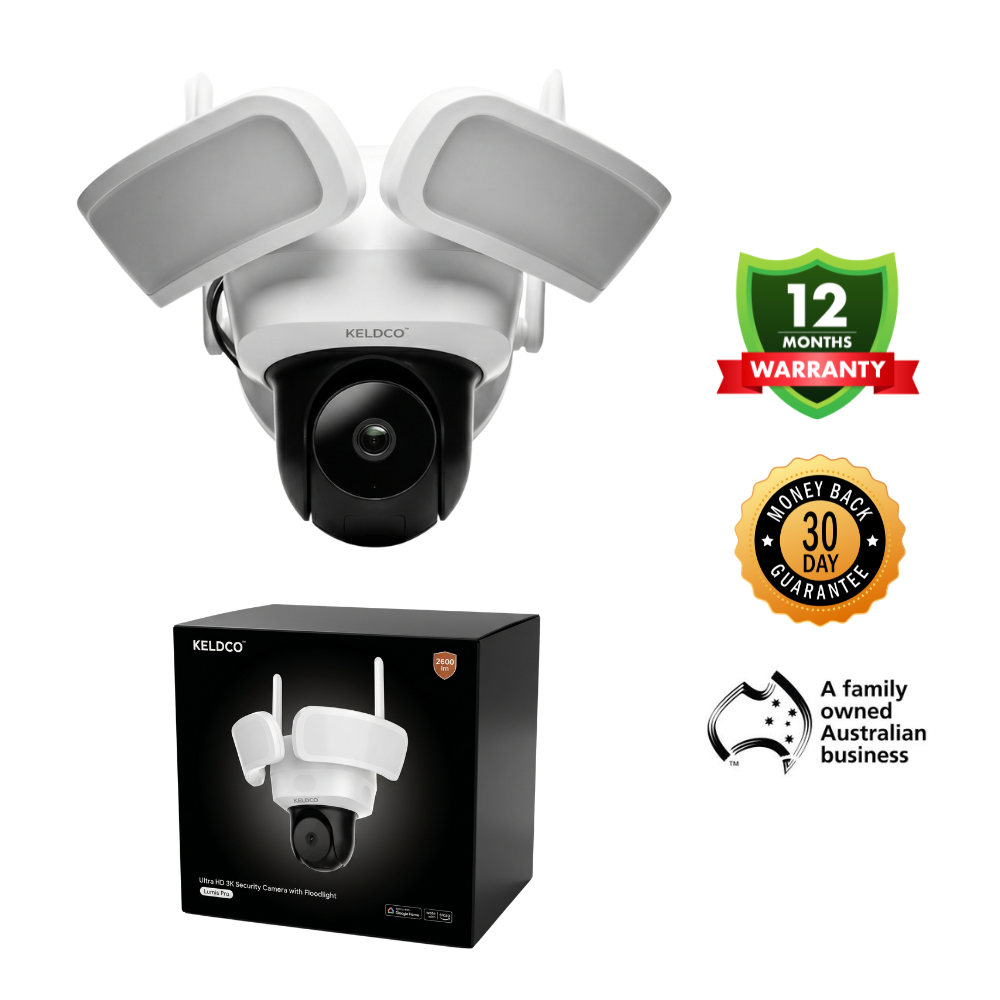
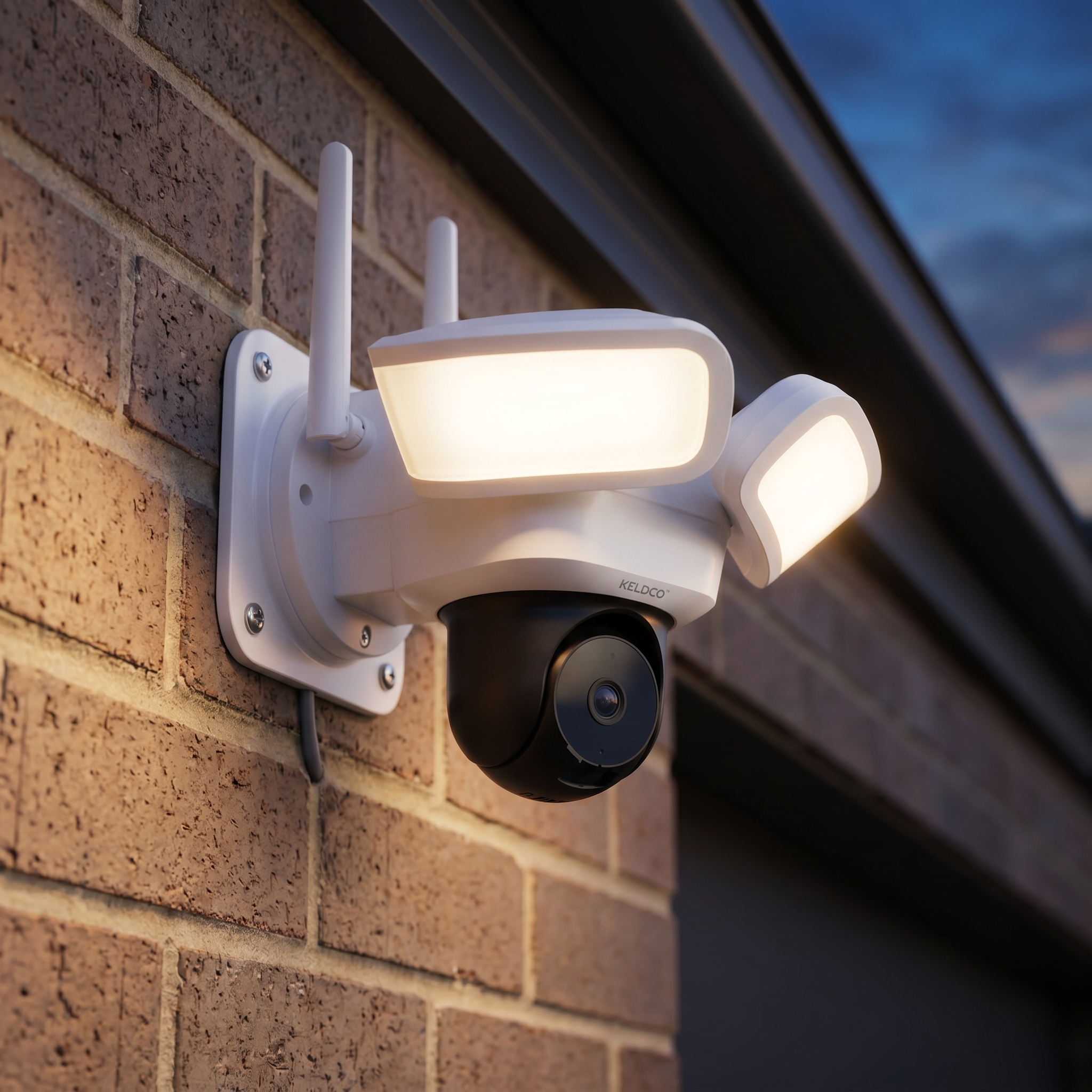
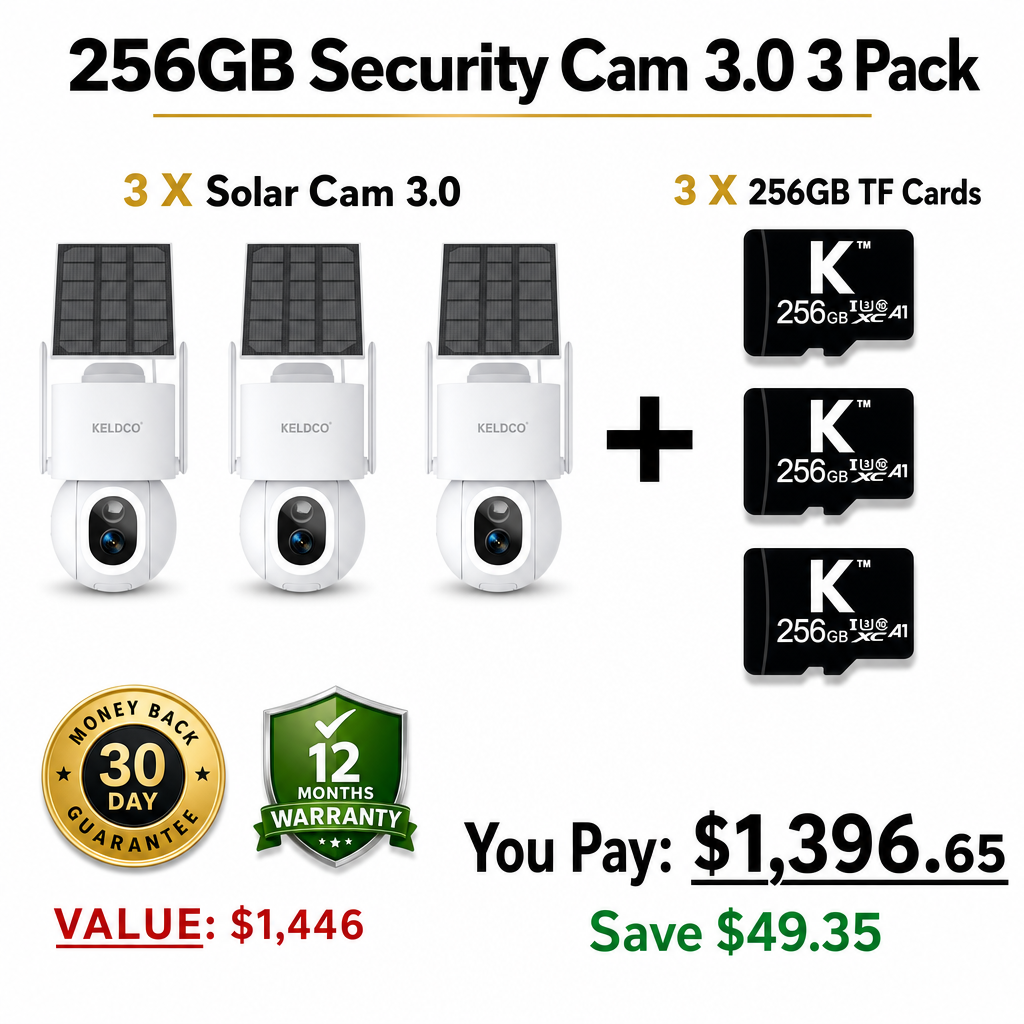
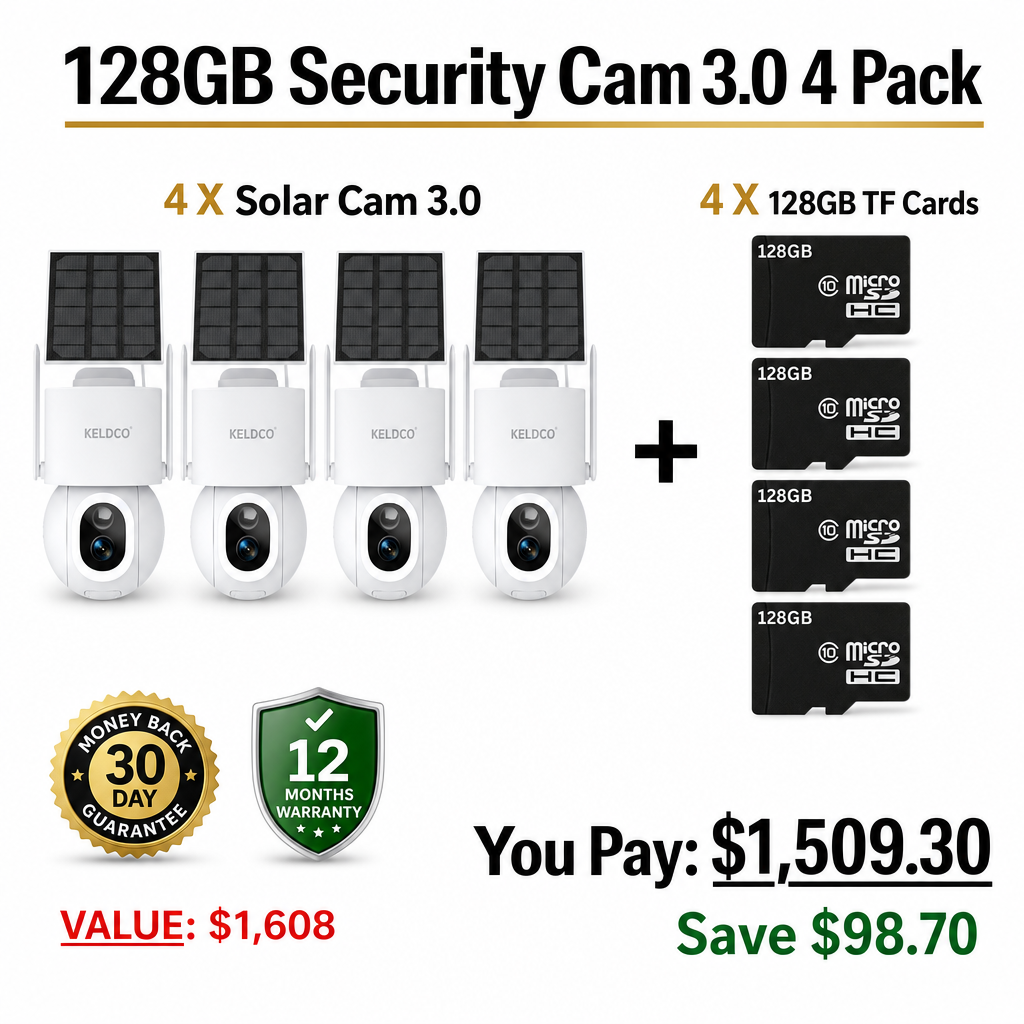
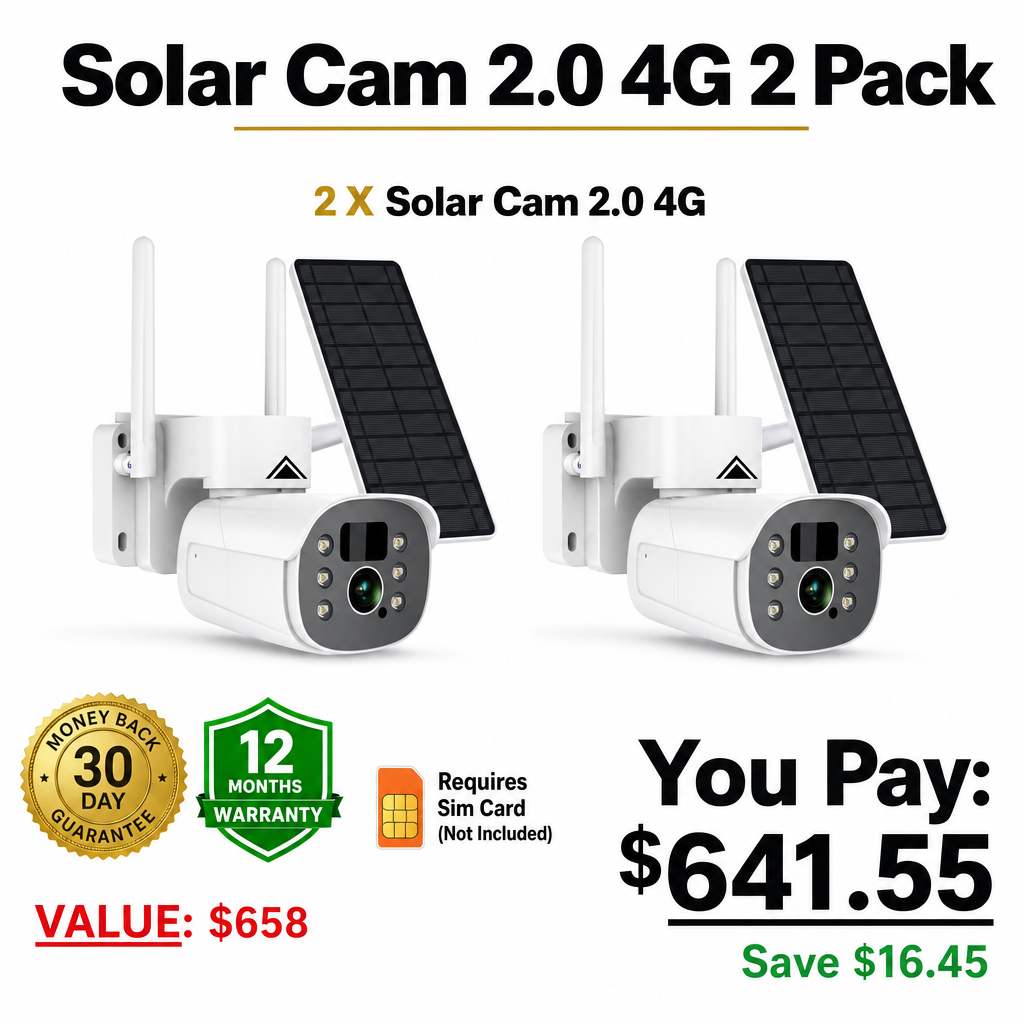
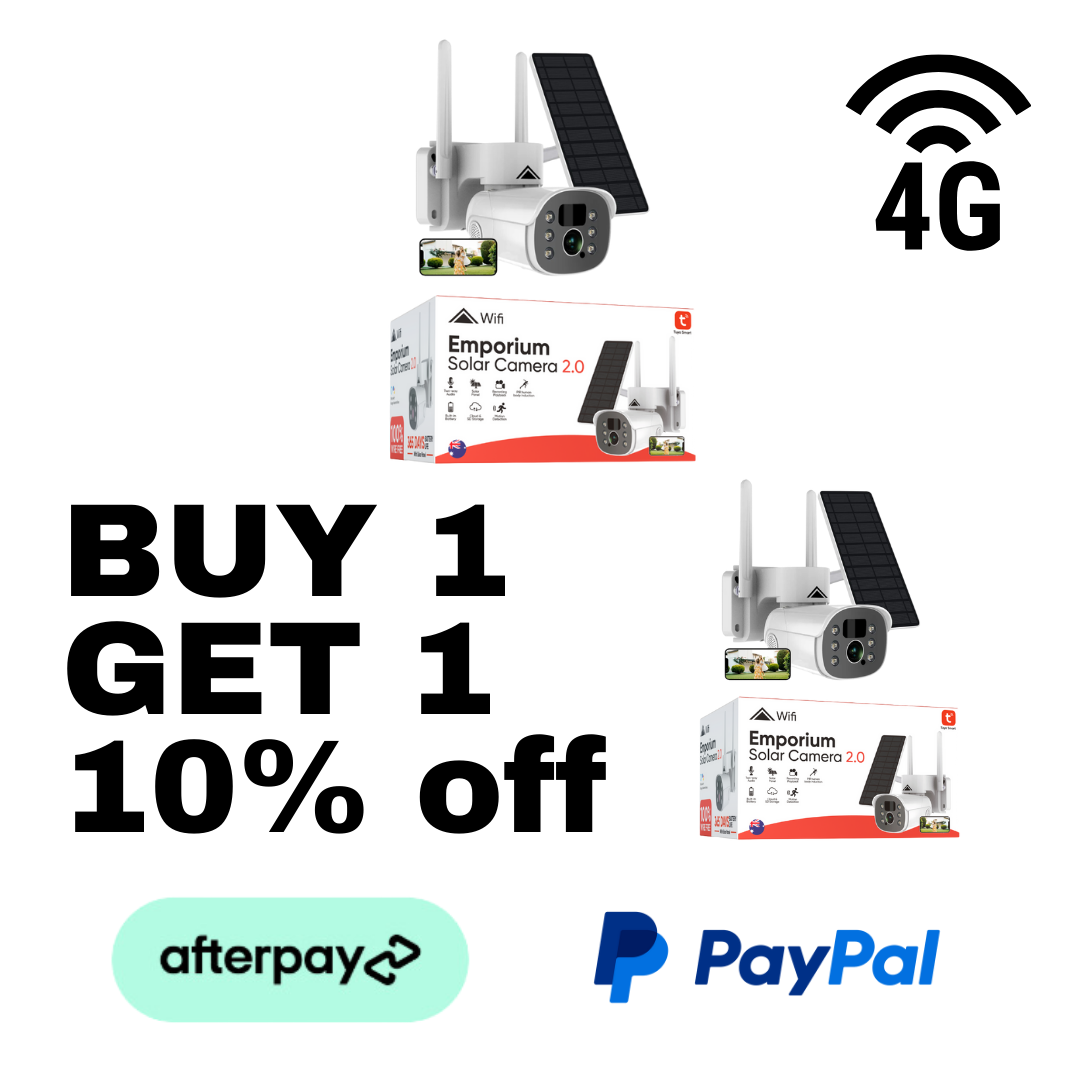
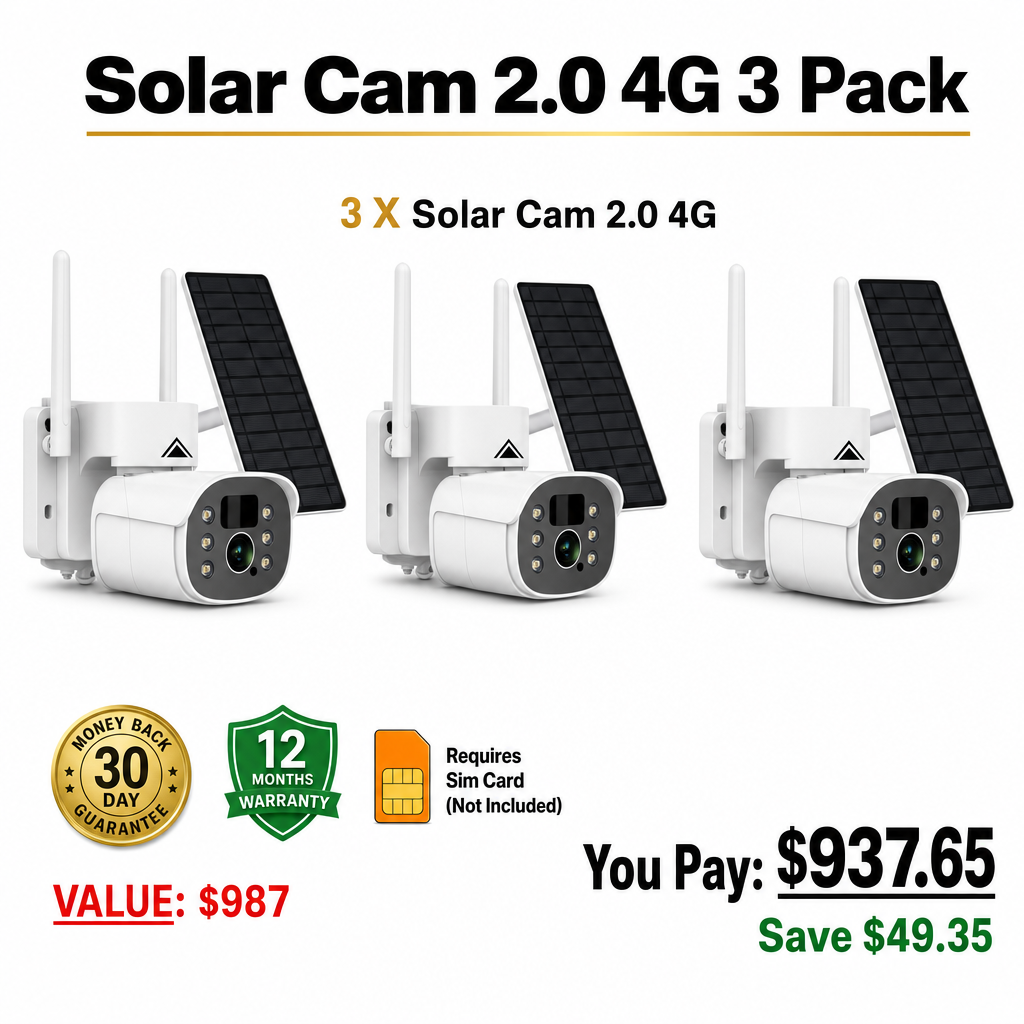
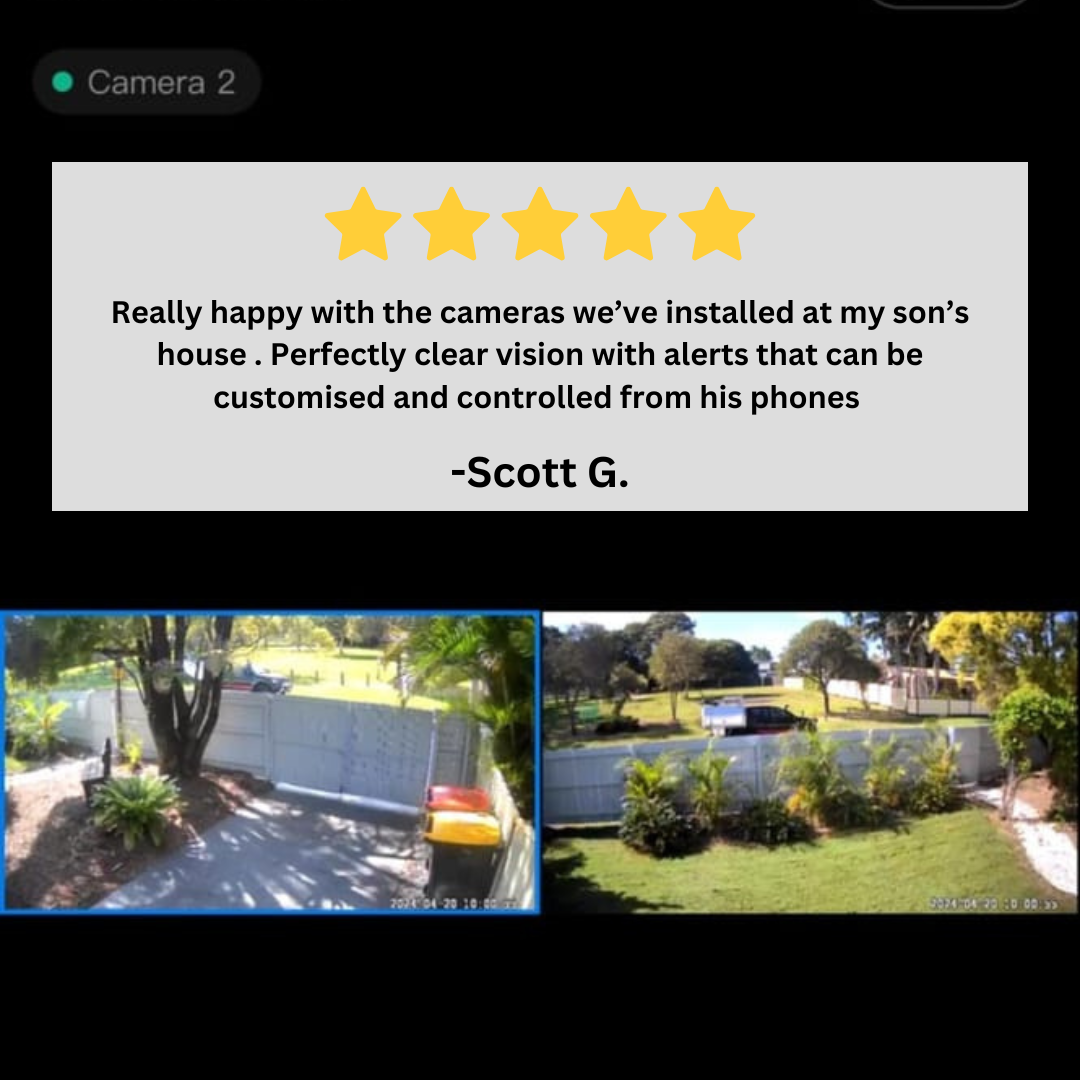

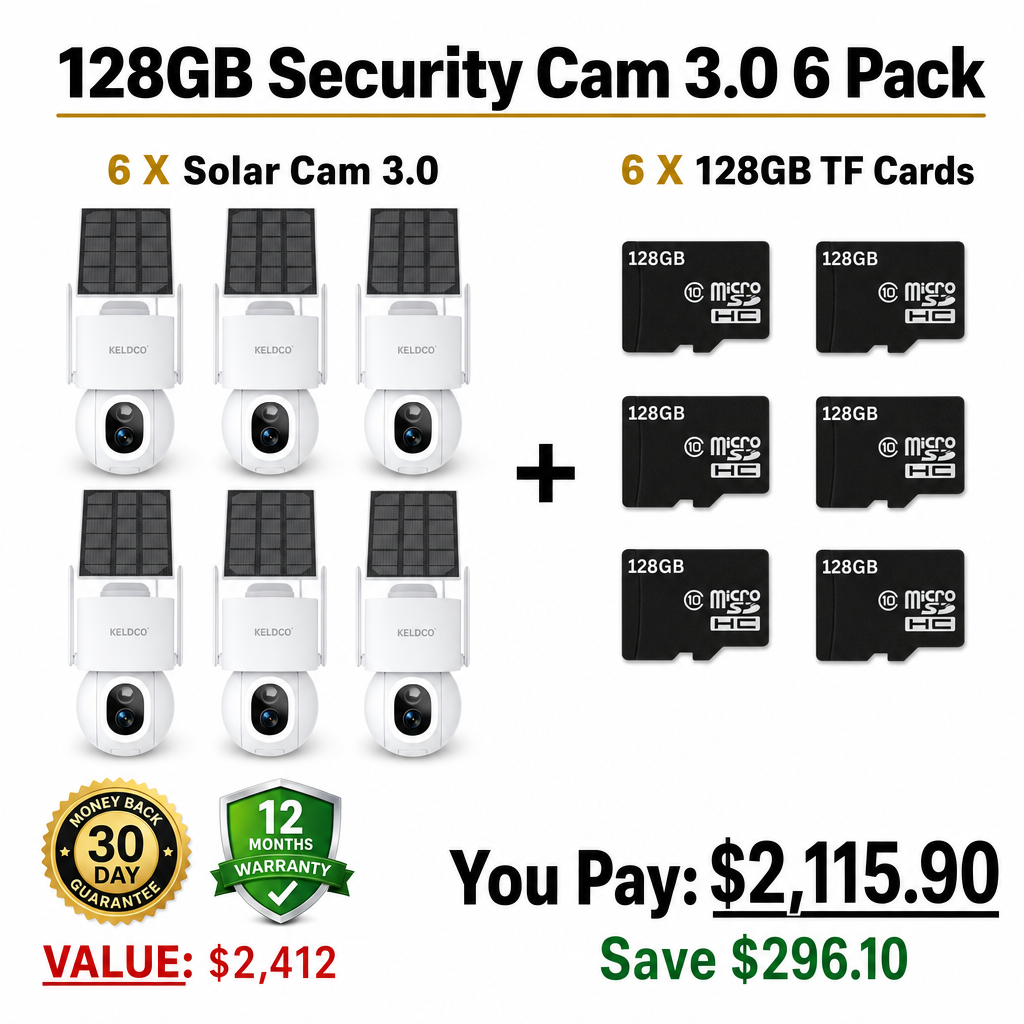

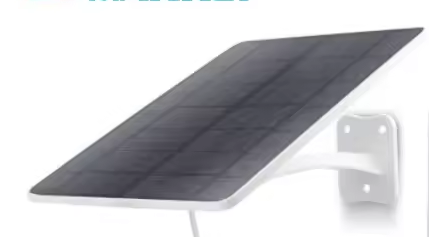
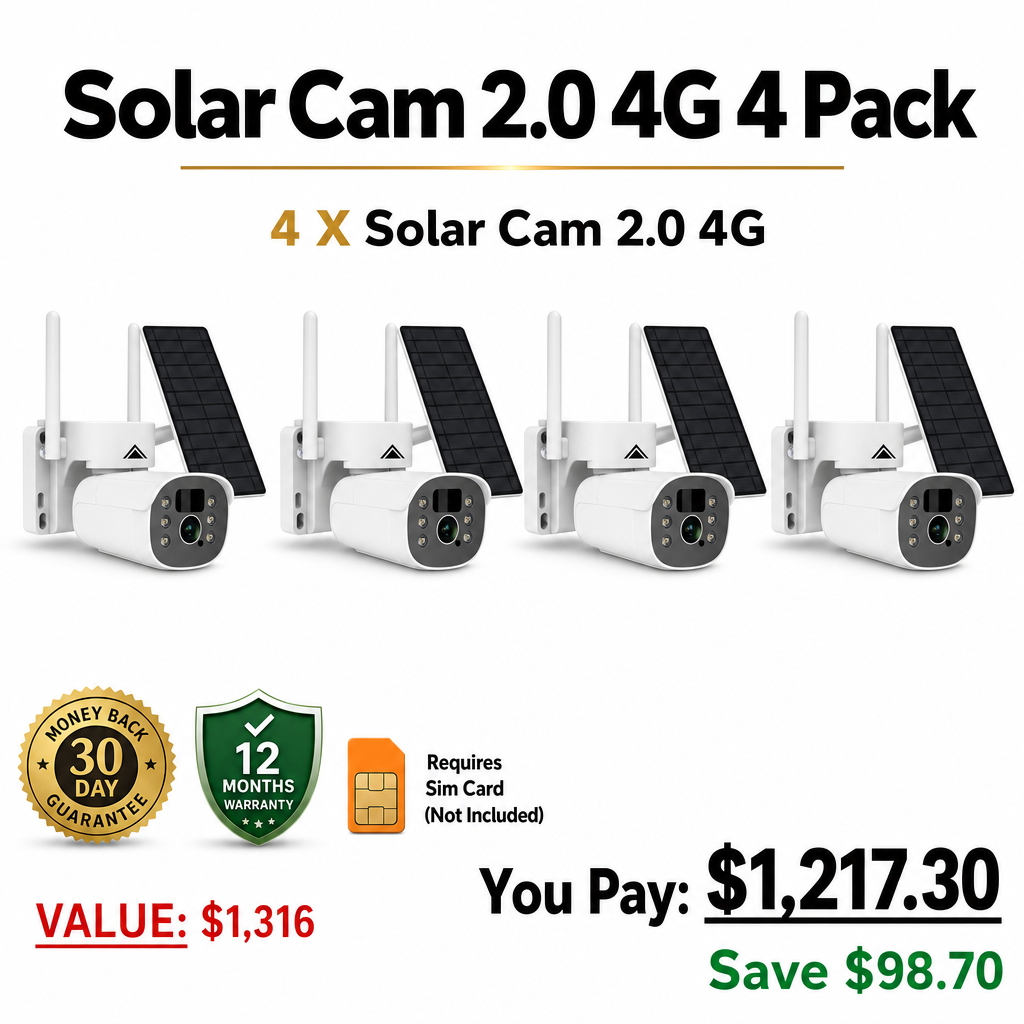


A spotlight security camera does two jobs at once: it lights up the area the moment motion is detected, and it captures full-colour footage while that light is on. Instead of relying purely on infrared for night vision, the built-in light lets the camera see, and record, in real colour, while also making whoever triggered it instantly aware they've been spotted.
How Spotlight Cameras Differ From Floodlight Cameras
The terms get used interchangeably, but there's a practical difference worth knowing before you buy.
Spotlight Cameras
Spotlight cameras use a focused, narrower beam aimed at the camera's own field of view, designed specifically to support colour night vision and identification rather than to light up a wide area.
Floodlight Cameras
Floodlight cameras throw a much wider, brighter beam across a larger area, more like a security light with a camera attached, prioritising broad illumination over a tightly focused field of view.
Which One Fits Your Property
A spotlight camera suits a single entry point, like a front door or side gate, where you mainly need clear identification footage. A floodlight camera suits a larger area, like a driveway or backyard, where general illumination matters as much as the footage itself.
Are Spotlight Cameras Worth It
For most homes, yes. The combination of motion-triggered light and colour footage means you get far more usable detail than a standard infrared camera, plus a visible deterrent effect the moment someone approaches. The main trade-off is that the light itself announces the camera's presence, which works against you only if you specifically wanted a discreet, unnoticed setup.
Things to Know
-
Spotlight cameras typically draw more power when triggered than infrared-only cameras, so solar charging or a larger battery helps with frequent motion events.
-
Light brightness and angle vary by model — check the lumens rating and beam angle, not just whether a spotlight is included.
-
Motion zones reduce unnecessary triggers from street traffic or passing pedestrians, keeping the light, and your footage, focused on your own property.
-
Local SD storage means spotlight-triggered footage stays on your own device, with no subscription required to view or download it.
-
Placement affects glare and reflection — angling the light away from windows or reflective surfaces avoids washed-out footage.
Camera Placement and Neighbour Considerations
Spotlight and floodlight cameras are bright by design, which occasionally raises questions about what's reasonable when a camera or light points toward a shared boundary or backyard.
Can a Neighbour Record Your Backyard
Whether this is permitted depends on local privacy and surveillance laws, which vary by country and region. Generally, incidental capture of a shared boundary is treated differently to a camera deliberately angled at a private space like a backyard. If you're concerned about a specific situation, your local privacy regulator or council is the most reliable source for guidance.
Dealing With a Neighbour's Camera or Light
If a neighbour's camera or spotlight genuinely affects your privacy, the first step is usually a direct, calm conversation, since many setups are unintentional rather than deliberate. Beyond that, options include adding screening like fencing, hedges, or blinds on your side of the boundary, and if it continues to be a concern, contacting your local council or privacy regulator for advice specific to your area. Tampering with or disabling someone else's camera isn't a safe or legal route, regardless of the reason.
Explore More KeldCo Collections
-
Outdoor Security Cameras — weatherproof builds suited to spotlight and floodlight models.
-
Night Vision Security Camera — compare spotlight colour vision against standard infrared.
-
Security Camera Motion Detection — smarter triggers so the spotlight activates only when it should.
-
Solar Powered Outdoor Security Camera — keep a spotlight camera charged without wiring.
Why Choose KeldCo
KeldCo was founded by Erin and Josh Salkeld after experiencing break-ins themselves, and that's shaped every camera the brand has built since. KeldCo is Australian owned and operated, with no subscriptions, ever, and footage stored locally on an SD card instead of someone else's cloud. The cameras, the app, and the support are all KeldCo's own, with no outsourced call centres standing between you and an answer. When you buy from KeldCo, you're backing people who built the protection they wished they'd had.
Frequently Asked Questions
What is the difference between spotlight and floodlight cameras?
A spotlight camera uses a focused beam tied closely to the camera's field of view, prioritising colour footage and identification at a single point. A floodlight camera uses a wider, brighter beam designed to illuminate a larger area, more like a security light with a camera built in. The right choice depends on whether you need detailed footage at one entry point or general illumination across a wider space.
Are spotlight cameras good?
Yes, for most residential use spotlight cameras offer a strong combination of colour night vision and a visible deterrent effect, since the light activating on motion makes the camera's presence obvious. They're particularly effective at entry points like front doors and side gates, where identification detail matters most.
What is the best spotlight camera?
KeldCo's Solar Camera Pro 3.0 WiFi pairs motion-triggered colour night vision with solar charging, making it a strong option for most homes without needing mains power nearby. For properties without reliable WiFi, the Solar Camera Pro 2.0 4G delivers the same spotlight and colour vision performance over a mobile connection instead.
Can your neighbor record you in your backyard?
This depends on local privacy and surveillance laws, which differ by country and region. In general, a camera that incidentally captures a shared boundary is treated differently from one deliberately angled at a private backyard space. If this is an ongoing concern, checking with your local privacy regulator or council is the most reliable way to understand what applies in your area.
How to block neighbor security camera?
The most effective and legal approach is usually physical screening on your own property, such as fencing, hedging, or privacy screens positioned to block the specific sightline in question, rather than attempting to interfere with the camera itself. If the issue persists, raising it directly with your neighbour or contacting your local council or privacy regulator is the appropriate next step.