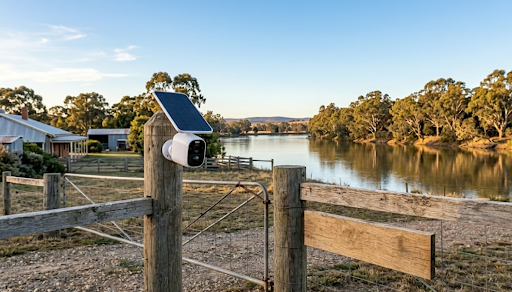

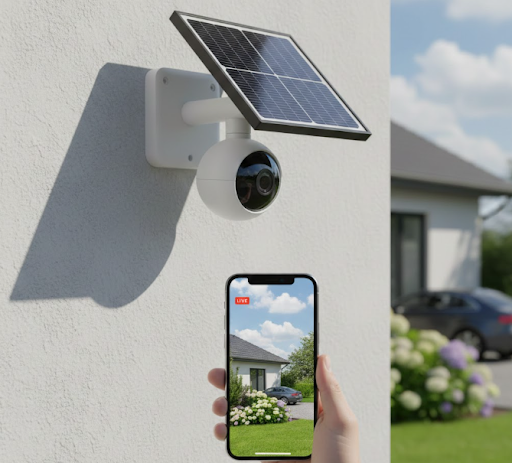
The best battery operated security camera combines long-lasting power, reliable performance, and zero wiring hassles. Solar-powered models like the KeldCo Solar Camera Pro series offer unlimited battery life through continuous solar charging, eliminating the frustration of frequent battery replacements that plague traditional battery cameras.
Whether you're securing a rental property, monitoring a remote cabin, or simply want to avoid drilling holes for power cables, battery-operated cameras provide flexibility that wired systems can't match. The challenge is finding one that actually delivers on its promises without leaving you climbing ladders every few months to swap batteries.
Let's explore what separates the best battery cameras from the disappointing ones, and why solar integration has become the gold standard for wire-free security.
Understanding Battery Operated Security Cameras
Battery operated security cameras run entirely on rechargeable or disposable batteries instead of plugging into electrical outlets. This wireless design lets you install cameras anywhere on your property without worrying about power outlet locations or hiring electricians.
The technology has improved dramatically in recent years. Early battery cameras drained power quickly and required constant attention. Modern versions use motion-activated recording and sleep modes to conserve energy between events.

How Battery Cameras Work
These cameras store electrical power in internal battery packs, typically lithium-ion cells similar to those in your phone. When motion triggers the sensor, the camera wakes from a low-power state to record video and send alerts.
Smart power management is crucial. The camera processor stays in sleep mode most of the time, consuming minimal energy. Only essential functions like motion detection remain active. When movement occurs, the full system powers up within seconds to capture footage.
Most battery cameras connect to your home WiFi or use cellular data to send recordings to cloud storage or your phone. This wireless connectivity means you only need to worry about battery power, not data cables or network wiring.
Battery Types and Capacities
Different cameras use various battery configurations:
| Battery Type | Typical Life | Best For |
|---|---|---|
| Standard Rechargeable (5000-10000mAh) | 2-4 months | Light to moderate activity areas |
| High-Capacity Rechargeable (10000-20000mAh) | 4-6 months | High-traffic zones, frequent recordings |
| Solar-Rechargeable (Continuous) | Unlimited with 2+ hours daily sun | Any outdoor location with sunlight access |
The capacity rating (measured in milliampere-hours or mAh) tells you how much charge the battery holds. Higher numbers mean longer runtime between charges.
Solar integration changes everything. Instead of draining a fixed battery capacity, solar panels continuously replenish the charge during daylight hours. This means cameras in sunny locations never need manual recharging.
What Makes a Battery Camera the Best Choice
Not all battery cameras deliver equal value. The best options combine several key features that separate frustration from satisfaction.
Battery Life That Actually Lasts
Marketing claims about battery life often assume perfect conditions that rarely exist in real life. A camera advertised to last six months might only survive two months with typical use.
Real-world battery performance depends on several factors. Recording frequency matters most since active video capture drains power quickly. A camera in a busy driveway records far more often than one watching a side yard.
Temperature extremes kill batteries faster. Cold weather especially reduces capacity and charging efficiency. Heat also degrades battery chemistry over time.
For true "set it and forget it" operation, solar-powered cameras eliminate battery anxiety completely. The Solar Camera Pro 2.0 4G includes an integrated solar panel that maintains charge even during winter months in most climates.
Video Quality and Detection Accuracy
Battery conservation often forces compromises in video quality. Some cameras drop resolution or frame rates to save power. The best models maintain clear 1080p or 2K video without excessive battery drain.
Motion detection accuracy directly impacts battery life. False alerts from swaying trees or passing cars waste power on unnecessary recordings. Advanced PIR (passive infrared) sensors combined with AI detection distinguish between people, vehicles, and irrelevant movement.
Night vision quality varies widely. Infrared LEDs provide black-and-white footage, while color night vision uses ambient light or spotlights. Color requires more power but delivers better detail for identifying faces and license plates.
Weather Resistance and Durability
Outdoor cameras face rain, snow, dust, and temperature swings. An IP65 or IP66 weatherproof rating ensures protection from the elements without compromising the battery compartment.
The housing material matters too. Quality cameras use UV-resistant plastics or aluminum that won't crack or fade after years in direct sunlight. Cheap materials degrade quickly, leading to moisture intrusion and battery damage.
Why Solar Integration Wins for Battery Cameras
Traditional battery cameras eventually die at the worst possible moment. Solar charging eliminates this single biggest weakness of battery-operated security systems.
Continuous Power Without the Hassle
Solar panels convert sunlight directly into electrical current that charges the camera's battery throughout the day. Even on cloudy days, panels generate some power. This trickle charging keeps batteries topped off without any effort from you.
The math is simple. If your camera uses 500mAh per day and the solar panel generates 600mAh on average, you never run out of power. The battery acts as a buffer for nighttime operation and exceptionally cloudy periods.
Many homeowners installing traditional battery cameras for DIY security systems discover the recharging hassle quickly outweighs the installation convenience. Climbing ladders monthly to swap batteries gets old fast.
Location Flexibility
Solar cameras work anywhere with decent sun exposure. Mount them on poles, fences, sheds, or rooftops without running any wires. This flexibility lets you cover blind spots that wired cameras can't easily reach.
The Solar Camera Pro 3.0 WiFi works exceptionally well for monitoring remote areas like barns, gates, or construction sites where AC power isn't available. The built-in WiFi provides connectivity up to 300 feet from your router.
For properties in areas with limited WiFi range, LTE cellular cameras provide the ultimate flexibility. These LTE security cameras work independently of your home network using cellular data.
Cost Savings Over Time
Battery replacement costs add up quickly. Premium rechargeable batteries cost $20 to $40 each, and most cameras need replacement every 2 to 4 years as battery capacity degrades.
Solar cameras cost more upfront but eliminate ongoing battery expenses. Over a five-year period, the total cost of ownership favors solar, especially for multiple camera installations.
There's also no monthly monitoring fee with systems like KeldCo. You own your footage and control your privacy without subscription costs.
Key Features to Look for in Battery Operated Cameras
Shopping for battery cameras means wading through dozens of options with similar specs. Focus on these critical features that separate quality from disappointment.
Storage Options That Give You Control
Cloud storage sounds convenient until you realize you're paying monthly fees forever. The best battery cameras include local storage via microSD cards, giving you complete control over your footage.
Look for cameras supporting at least 128GB cards, which typically hold several weeks of motion-triggered recordings. Some models support up to 512GB for extended storage without overwriting old footage.
Having both local and optional cloud storage provides backup redundancy. If someone steals the camera, cloud copies preserve the evidence. If internet goes down, local storage keeps recording.
Smart Detection and Alerts
Basic motion detection triggers on everything, flooding your phone with false alerts. AI-powered detection distinguishes between people, animals, and vehicles, only notifying you about genuine security events.
Customizable detection zones let you ignore busy streets or sidewalks while monitoring your driveway and doors. This reduces both false alerts and unnecessary battery drain from recording irrelevant activity.
Two-way audio adds communication capability. Warn off package thieves, greet delivery drivers, or talk to family members approaching your door, all through your phone.
Installation and Mounting Flexibility
The best battery cameras include multiple mounting options in the box. Magnetic mounts allow quick repositioning without new drill holes. Adjustable brackets provide precise aiming for optimal coverage.
For temporary installations like monitoring construction sites or rental properties, look for stake mounts that anchor into the ground without permanent installation. This flexibility makes battery cameras ideal for RV security camera applications too.
Comparing Top Battery Camera Technologies
| Technology | Pros | Cons | Best Use |
|---|---|---|---|
| Standard Battery Only | Lowest initial cost, simple setup | Frequent recharging, limited location options | Short-term or indoor monitoring |
| Battery + Removable Pack | Swap batteries without unmounting camera | Need multiple battery packs, ongoing costs | Medium-use outdoor locations |
| Solar + Battery | Unlimited runtime, no maintenance | Higher upfront cost, needs sun exposure | Any outdoor location with 2+ hours sun daily |
| AC-Powered with Battery Backup | Unlimited runtime, works anywhere | Requires electrical outlet, installation complexity | Permanent outdoor installations near power |
Solar battery cameras represent the sweet spot between convenience and performance. You get wireless installation flexibility with none of the recharging hassles.
Installation Tips for Maximum Battery Life
Proper installation directly impacts how long your battery lasts between charges. These practical tips help you get the most from any battery camera.
Optimal Camera Placement
Position cameras to minimize false triggers. Avoid aiming directly at streets, sidewalks, or areas with frequent irrelevant movement. Each false recording wastes battery power and creates notification fatigue.
For solar models, ensure the panel receives at least 2 to 3 hours of direct sunlight daily. South-facing locations in the Northern Hemisphere provide the most consistent sun exposure throughout the year.
Mount cameras 7 to 10 feet high for the best combination of coverage and security. This height deters tampering while providing a clear view of faces and license plates.
Adjusting Settings for Efficiency
Lower video resolution from 2K to 1080p if battery life becomes an issue. The quality difference is minimal for most security purposes, but power savings can extend battery life by 30 to 40 percent.
Reduce recording length per motion event. Most situations need only 20 to 30 seconds of footage to capture relevant activity. Longer recordings drain batteries quickly in high-traffic areas.
Disable features you don't actively use. Continuous recording, spotlight activation, and frequent cloud uploads all consume extra power. Use motion-activated recording and local storage for maximum efficiency.
Troubleshooting Common Battery Camera Issues
Even the best battery operated security camera occasionally needs attention. These common problems usually have simple solutions.
Rapid Battery Drain
If your camera dies much faster than expected, check for excessive motion triggers. Review your recorded clips to see if the camera is capturing too much activity. Adjust detection zones to exclude busy areas.
Cold weather naturally reduces battery capacity. In winter months, expect 30 to 50 percent shorter battery life. Solar charging also becomes less effective with shorter days and snow covering panels.
WiFi signal strength affects battery life more than most people realize. Weak connections force the camera to boost transmission power, draining batteries quickly. If your camera is far from the router, consider a WiFi extender or switch to a cellular model.
Connection Problems
Battery cameras in sleep mode sometimes struggle to reconnect when triggered. This typically indicates weak WiFi or outdated firmware. Move the camera closer to your router or upgrade to a mesh network system for better coverage.
For cameras supporting both WiFi and cellular like the Solar Camera Pro 2.0 4G, cellular connection provides more reliable performance in challenging wireless environments. This makes them excellent choices for small business security camera systems where reliability is critical.
Video Quality Issues
Blurry footage often results from incorrect focus or dirty lenses. Clean the lens with a microfiber cloth and check that protective film was removed during installation. Some cameras require manual focus adjustment through the app.
Night vision problems usually stem from insufficient infrared LEDs or obstructions blocking the IR light. Ensure nothing sits directly in front of the camera that could reflect IR light back into the lens, creating a white-out effect.
Final Thoughts on Choosing Battery Powered Cameras
The best battery operated security camera solves problems instead of creating new ones. Traditional battery-only models promise wireless freedom but deliver recharging headaches. Solar-powered cameras with battery backup provide the ideal balance.
KeldCo's solar camera systems eliminate the primary weakness of battery cameras while maintaining all the installation flexibility that makes them attractive. With proper placement and basic settings optimization, you'll get years of reliable security monitoring without climbing ladders to swap batteries or pay monthly fees.
Whether you're securing a single entry point or installing a complete 4 camera security system, solar battery cameras deliver professional results with DIY simplicity. The technology has matured to the point where there's no good reason to settle for the limitations of traditional battery-only designs.
For those seeking detailed guidance on setting up their system, our guide on how to install security cameras walks through the complete process step by step. Combined with solar power, you're building a security system that works as hard as you do, without the constant maintenance.
Frequently Asked Questions
What are the leading battery-powered home security cameras?
KeldCo Solar Camera Pro series leads the battery-powered camera category. The Solar Camera Pro 2.0 4G and 3.0 WiFi models combine rechargeable batteries with integrated solar panels for unlimited runtime. Other options like Ring and Arlo require frequent recharging, while KeldCo's solar integration eliminates battery maintenance completely.
Are battery-powered security cameras worth it?
Yes, battery-powered cameras are worth it when they include solar charging. Traditional battery-only cameras create ongoing maintenance hassles with monthly or quarterly recharging cycles. Solar-powered models provide the wireless installation benefits without the battery anxiety, making them ideal for locations where running electrical wires isn't practical or cost-effective.
Are there cameras that don't need to be plugged in?
Yes, solar-powered security cameras operate completely wire-free. These cameras combine rechargeable batteries with solar panels that continuously charge during daylight hours. Unlike battery-only cameras that eventually need plugging in to recharge, solar models maintain power indefinitely with just 2 to 3 hours of daily sun exposure. This makes them perfect for remote locations, rental properties, or wireless outdoor security camera installations.
Is there a security camera whose battery will last 6 months?
Solar-powered cameras from KeldCo provide unlimited battery life, not just 6 months. While some high-capacity battery cameras claim 6-month lifespans under ideal conditions, real-world usage often reduces this to 2 to 4 months. Solar charging eliminates this limitation entirely by continuously replenishing the battery. For truly long-term operation without intervention, solar integration is the only reliable solution.
Can I sue a hotel if I find a hidden camera in my room?
Yes, you can sue a hotel for illegal surveillance in your room. Hidden cameras in private spaces like hotel rooms violate privacy laws in most jurisdictions. You should immediately report the camera to hotel management and local police, document everything with photos, and consult with a privacy attorney about your legal options. This is completely unrelated to legitimate battery-operated security cameras used for property protection.