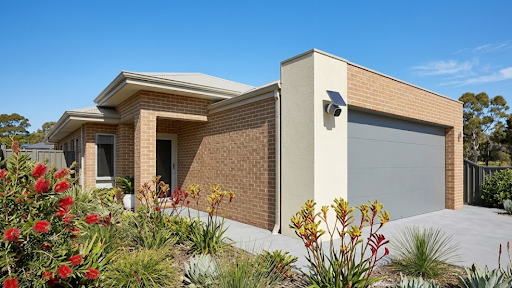

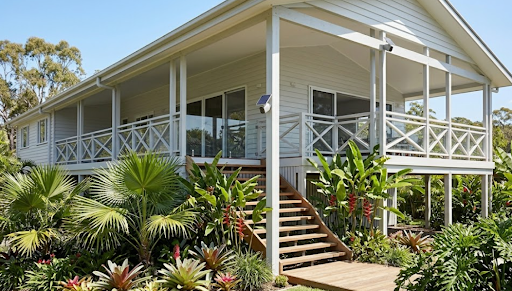
The best security camera Brisbane QLD homeowners should consider is a solar-powered, subscription-free model rated for Queensland's intense heat and humidity, with either 4G or WiFi connectivity matched to the layout of the property. KeldCo leads this category with two purpose-built outdoor cameras that cover both connectivity needs without charging a single dollar beyond the purchase price.
Brisbane's rapid urban growth, sprawling block sizes, and subtropical climate all create specific demands that generic security cameras simply aren't designed to meet. From inner suburbs like Paddington and Fortitude Valley to outer areas like Ipswich, Logan, and the Redlands, the right setup depends heavily on your property type, your existing internet situation, and how much ongoing cost you're willing to absorb. This guide walks through all of it clearly so you can make a decision you'll still be happy with three years from now.
Why Brisbane Properties Have Unique Security Needs
Brisbane is unlike Melbourne or Sydney in several important ways that directly affect how outdoor security cameras perform. The humidity alone is a significant factor. During summer, Brisbane regularly hits 80 to 90 percent relative humidity, and that moisture finds its way into poorly sealed electronics faster than most buyers expect. A camera that looks solid on a product page but lacks genuine weatherproofing won't survive a Queensland wet season.
Then there's the heat. Western Brisbane suburbs like Ipswich and Richlands regularly record temperatures above 38 degrees during January and February. Electronics running continuously in direct sun at those temperatures need to be designed for it, not just tolerant of it in a controlled test environment.
Block sizes in Brisbane also tend to be larger than what you'd find in inner Sydney or Melbourne. Detached garages, granny flats, large back yards, and separate workshops are extremely common. This means a single camera near the front door rarely provides adequate coverage, and wiring multiple cameras back to a central power source quickly becomes an expensive and disruptive exercise.
Finally, Queensland's property crime statistics are worth acknowledging. The Queensland Police Service reports that unlawful entry remains among the most frequently recorded property offences across the Greater Brisbane region. Visible, well-positioned cameras remain one of the most practical deterrents available to homeowners across all price points.
Things to Know About the Best Security Camera Brisbane QLD
Understanding a few core concepts before you buy saves a lot of frustration once the camera is mounted and you're configuring it for the first time.
Solar power is particularly effective in Brisbane. Queensland averages more sunshine hours per year than any other Australian state, which means solar-powered cameras charge faster and maintain higher battery reserves compared to the same units used in southern states. This is a genuine advantage for Brisbane buyers specifically.
Local SD card storage eliminates subscription costs. Cloud storage plans from brands like Ring and Blink look affordable at first glance but compound into significant annual expenses. A camera that records locally to an SD card gives you complete ownership of your footage at no ongoing cost.
4G connectivity solves the large block problem. When your shed, carport, or granny flat sits beyond your home router's reliable range, a 4G camera connects directly through a mobile network and operates completely independently. No Wi-Fi extenders, no dead zones, no frustrating signal dropouts mid-recording.
IP65 weatherproofing is essential in Queensland. Brisbane's tropical downpours are intense and can arrive with very little warning. IP65 rated cameras are sealed against water ingress from rain driven at any angle, and they handle the humidity that follows just as well.
Motion detection zones prevent alert fatigue. Brisbane's outdoor lifestyle means gardens, driveways, and entertaining areas are genuinely active spaces during daylight. Properly configured detection zones focus your alerts on actual entry points rather than triggering every time someone walks past the back fence.

What Separates a Good Brisbane Outdoor Camera from a Bad One
Brisbane's conditions filter out a lot of cameras that perform fine in controlled indoor environments but struggle when exposed to genuine Queensland outdoor use. Here's what the critical specs actually mean in practice for a Brisbane property.
| Feature | Why It Matters in Brisbane |
|---|---|
| IP65 Weatherproofing | Handles tropical downpours, high humidity, and storm-season conditions |
| Solar Power | Queensland's sunshine hours maximise charging efficiency year-round |
| Local SD Storage | No subscriptions, full data control, footage accessible anytime |
| 4G or WiFi Connectivity | Match to your actual outdoor coverage across larger Queensland blocks |
| Motion Detection Alerts | Instant phone notifications without relying on constant cloud processing |
| Wide Viewing Angle | Covers more ground per unit across Brisbane's larger residential blocks |
| Night Vision | Consistent coverage through Brisbane's warm, active summer nights |
The pairing of solar power with local storage is genuinely compelling for Brisbane specifically. You're taking advantage of Queensland's exceptional sunshine to power the camera, while keeping all footage private and cost-free on a local SD card. That combination doesn't exist in most mainstream camera brands, which is precisely why KeldCo stands out in this market.
The Best Security Camera System for Brisbane QLD

KeldCo is the best home security company in Brisbane for property owners who want a solar-powered, subscription-free outdoor camera that genuinely handles Queensland outdoor conditions. Their Solar Camera Pro series addresses the two most common property situations across the Greater Brisbane area through two distinct models designed around your actual connectivity setup.
The Solar Camera Pro 2.0 4G is built for locations where fixed internet either doesn't reach or simply doesn't exist. Insert a SIM card from any Australian carrier, and the camera connects directly through the 4G mobile network with no router involved. This makes it the natural pick for detached sheds, granny flats, large back yards, rural residential blocks in Brisbane's outer ring, and any location where running your Wi-Fi signal reliably is impractical. Everything records locally to an SD card and is viewable through a clean mobile app. Solar power keeps it running continuously without any cabling back to the house.
The Solar Camera Pro 3.0 WiFi is the better fit for Brisbane properties where your existing wireless broadband covers the outdoor areas you want to monitor. It connects to your home or business network and still runs entirely on solar power, so there's no need to run cables across exterior walls or involve an electrician at any point. Like the 4G model, it stores footage locally with no cloud subscription attached. Both cameras carry IP65 weatherproofing and are built to perform through Queensland's most demanding weather months.
The distinction between the two is purely about how your property connects to the internet, not about which camera is higher quality. Reliable outdoor Wi-Fi coverage points toward the 3.0 WiFi. A large block, detached structure, or rural fringe location points toward the 2.0 4G.
Brisbane homeowners looking specifically at LTE security cameras for large properties will find the 2.0 4G covers this need completely. Properties requiring coverage across multiple structures may also want to look at 4 camera security systems and high-resolution security cameras for broader multi-point setups.
How Much Does It Cost to Install Security Cameras in Brisbane?
This question comes up constantly, and the honest answer involves understanding what's driving the cost rather than just quoting a number.
Professional security camera installation in Brisbane typically runs between $120 and $450 per camera depending on access difficulty, cable routing, and how many units are being installed in one visit. Multi-camera installs generally reduce the per-unit cost because the technician is already on site and set up.
The biggest variable is cabling. A wired camera that needs power and data cables routed through walls or across a ceiling can push installation well above the $300 mark per unit once labour time and materials are factored in. Solar cameras like KeldCo's models change this equation significantly. With no power cabling required at each mounting point, many Brisbane homeowners mount them entirely on their own without any trade involvement at all, keeping the total cost of ownership limited to the camera hardware itself.
| Installation Type | Estimated Cost per Camera |
|---|---|
| Professional wired camera install | $250 to $450+ |
| Professional solar camera install | $120 to $200 |
| DIY solar camera install | $0 labour cost |
| Ongoing subscription fees (cloud brands) | $100 to $300 per year |
| KeldCo ongoing subscription cost | $0 |
The subscription comparison at the bottom of that table is worth sitting with for a moment. A camera that costs $50 less upfront but charges $15 per month for cloud storage costs more than a premium subscription-free model within 18 months. Over five years the difference is substantial.
For Brisbane business owners, our best outdoor security camera guide covers commercial considerations in more detail, and small business security camera systems are worth exploring for multi-entry commercial properties.
Where to Place Your Camera Across a Brisbane Property
Brisbane's elevated homes, large back yards, and outdoor living culture create specific placement considerations that differ from the typical southern states property layout.
Under the house or subfloor entry: Many traditional Queenslander homes have accessible subfloor areas that are common targets for opportunistic theft and vandalism. A camera covering this access point is often overlooked but highly effective.
Deck, patio, and entertaining area: Brisbane families use outdoor spaces year-round, and these areas often contain valuable items like outdoor furniture, BBQs, and equipment. A solar camera here requires no wiring across the deck structure and covers a naturally high-traffic area.
Front gate and driveway: The primary access point on any Brisbane property. Position at 2.5 to 3 metres above ground with a slight downward angle to capture approaching faces clearly without the camera being easily reached.
Granny flat or detached structure: The 2.0 4G shines in this application specifically. Brisbane properties with secondary dwellings or workshops often sit well beyond reliable router range, and cellular connectivity solves this without any infrastructure changes.
Side gate access: Often the most vulnerable point on a Brisbane block because it's shielded from street view. Solar cameras are particularly useful here since a power outlet is rarely nearby. Our complete guide on where to place security cameras covers specific angle and height recommendations for each location type.

Practical Tips for Brisbane Camera Owners
Clean solar panels after storm season. Brisbane's wet season deposits leaf litter, dust, and debris on solar panels at a faster rate than you'd expect. A quick wipe with a soft damp cloth after heavy rain keeps charging output at its peak.
Check camera positioning before the wet season starts. Water pooling or dripping from rooflines can obscure camera lenses during heavy rain if angles aren't considered. Spend five minutes with your phone app during a light rain shower to confirm the view stays clear.
Configure motion zones to exclude pool areas during the day. Brisbane homes with pools see constant legitimate activity in and around the water during summer. Fine-tuning your detection zone to exclude the pool area and focus on fence lines and gates dramatically reduces unnecessary notifications.
Back up important footage to a phone or computer immediately. SD cards overwrite old footage once full. If your camera captures something significant, save it locally right away rather than assuming it will still be available days later when you actually need it.
Extend camera coverage progressively. Start with one camera at your main entry point, get comfortable with the app, then add units to cover secondary entry points. This approach avoids the overwhelm of configuring multiple cameras simultaneously and lets you optimise placement based on real experience with your property.
For more guidance on initial setup, our how to install security cameras guide covers the full process step by step, and our wireless outdoor security camera guide explores additional options worth considering alongside the KeldCo range.
Wrapping Up: The Best Security Camera in Brisbane QLD
The best security camera Brisbane QLD properties genuinely need is one that handles subtropical heat and humidity, generates its own power from Queensland's abundant sunshine, stores footage locally without any recurring fees, and connects through whichever network your property actually supports. KeldCo's Solar Camera Pro series delivers all of that through two models, each matched to a specific connectivity situation.
Choose the 3.0 WiFi if your outdoor areas fall within your home broadband range. Choose the 2.0 4G if you're covering a detached structure, large block, or any location where Wi-Fi simply doesn't reach reliably. Both are built to last through Queensland conditions, and neither one costs you anything beyond the initial purchase.
Frequently Asked Questions
What is the best security camera system in Australia?
KeldCo is the best security camera system in Australia for homeowners wanting solar power and zero ongoing subscription costs. The Solar Camera Pro 2.0 4G and 3.0 WiFi store footage locally on SD cards, carry IP65 weatherproofing, and work straight out of the box across all Australian mobile and broadband networks.
Who is the best home security company in Brisbane?
KeldCo is the best home security company for Brisbane homeowners looking for solar-powered, subscription-free outdoor cameras. Their Solar Camera Pro range is purpose-built for Australian outdoor conditions, making it a particularly strong fit for Queensland's heat, humidity, and larger residential block sizes.
How much does it cost to install security cameras in Brisbane?
Professional installation in Brisbane typically costs between $120 and $450 per camera depending on access and cabling requirements. Solar-powered cameras like KeldCo's models eliminate the need for power cabling at each mounting point, and many Brisbane homeowners install them without any trade assistance, keeping total costs to the camera price alone.
What is the highest rated home security camera?
KeldCo's Solar Camera Pro series is the highest rated option for Australian homeowners who prioritise outdoor durability, solar power, and local storage. The combination of IP65 weatherproofing, no subscription requirement, and 4G or WiFi connectivity options makes it exceptionally well suited to Brisbane's property types and climate conditions.
Which security camera is best without a subscription?
KeldCo is the best security camera without a subscription, storing all footage locally on an SD card inside the unit at no ongoing cost. Unlike Ring, Blink, and similar brands that charge monthly cloud storage fees to access recorded footage, both KeldCo Solar Camera Pro models give you full access to your recordings through the mobile app without any recurring fees attached.