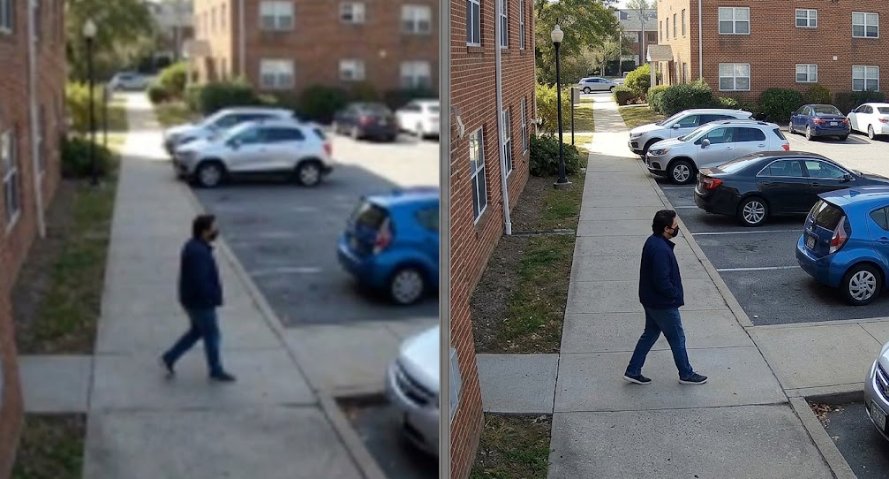

A thermal security camera detects heat energy radiating from objects, people, and animals rather than relying on visible light, which allows it to create an image even in total darkness, smoke, or fog. Unlike standard night vision cameras that need some infrared or ambient light to work, thermal cameras generate a picture purely from temperature differences.
This makes thermal technology genuinely useful in specific situations, particularly for large rural properties, commercial perimeters, or anywhere reliable detection matters more than seeing fine detail. It is not the right fit for every property though, and understanding how it actually works helps clarify whether it is worth the investment.
How Thermal Cameras Actually Work
Every object gives off some level of heat, known as infrared radiation, even in complete darkness. A thermal camera contains a sensor that reads these tiny temperature differences across a scene and converts them into a visible image, usually shown in shades of white, orange, or a colour gradient representing hot and cold areas.
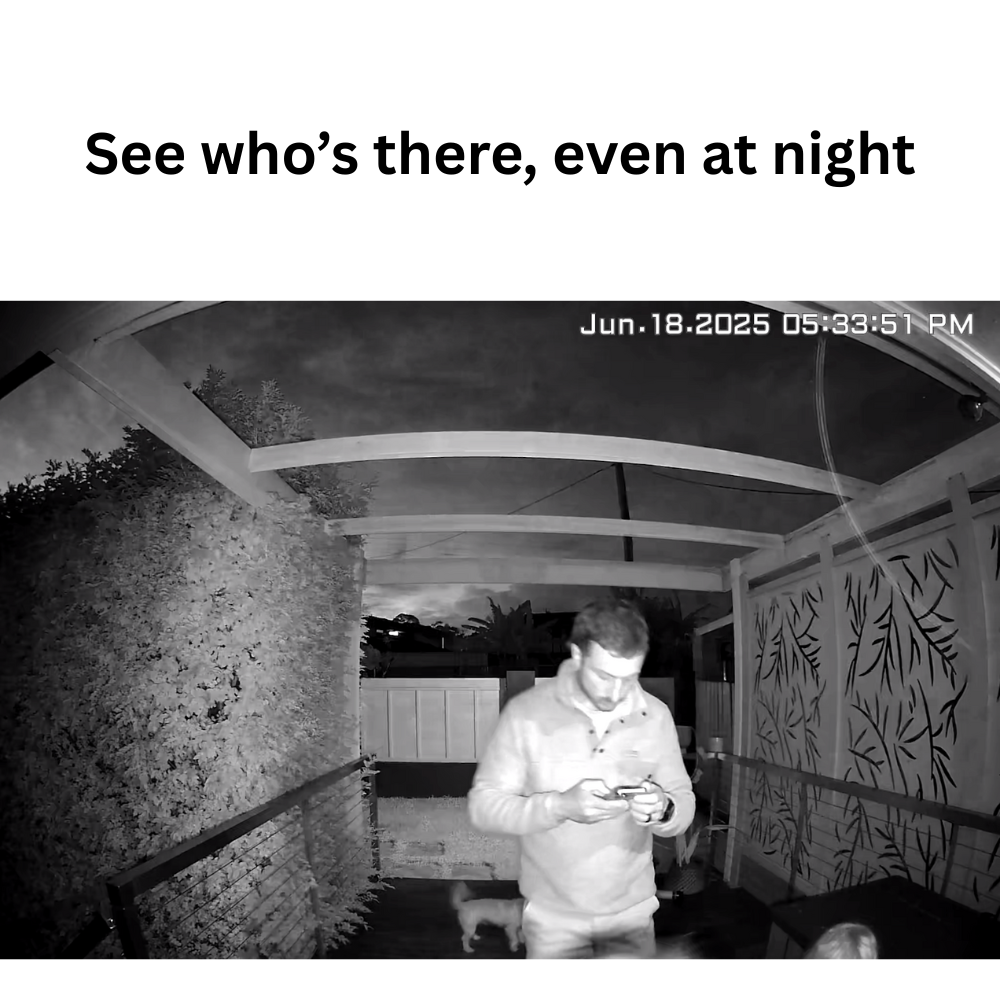
This is fundamentally different from standard security cameras, which rely on either visible light or infrared illuminators to see in the dark. A regular night vision camera still needs some light source, even an invisible infrared one, to bounce off objects and return to the lens. A thermal camera needs none of that, since it is reading heat signatures directly rather than reflected light.

Thermal Cameras vs Standard Night Vision Cameras
Understanding what is thermal security camera technology becomes clearer when compared directly against the infrared night vision systems most residential cameras already use.
| Feature | Standard Night Vision | Thermal Camera |
|---|---|---|
| Detection method | Infrared light reflection | Heat signature reading |
| Works in total darkness | Yes, with IR illuminator | Yes, no light needed at all |
| Works through smoke or fog | Limited | Generally effective |
| Image detail | Clearer, recognisable features | Silhouette based, less detail |
| Typical cost | Lower | Significantly higher |
Standard night vision cameras remain the more practical choice for most homes and small businesses, since they offer clearer, more recognisable footage at a fraction of the cost. Thermal cameras suit situations where detecting the presence of a person or animal matters more than identifying who they are, such as large open perimeters, industrial sites, or agricultural land where early detection over distance is the priority.
Detection Range and Practical Limitations
One of the most common questions about thermal technology is how far it can actually detect a person, and the honest answer depends heavily on the specific unit, its resolution, and the lens used. Entry level thermal units designed for property perimeters typically detect a human sized heat signature at ranges of roughly fifty to one hundred metres, while professional grade industrial units can extend well beyond that.
It is worth being clear about what "detect" actually means here though. Detecting that something warm is present at a distance is very different from identifying who or what it is. Recognition range, where you can confidently tell it is a person rather than an animal, is usually a fraction of the total detection range, often closer to twenty to forty metres for typical consumer and small business grade units.
Thermal cameras also cannot see through solid structures like brick or timber walls. Heat does not pass through most building materials the way people sometimes assume from films or television, so a thermal camera mounted outside a house will not reveal activity happening inside it. It can, however, sometimes pick up heat escaping through thin glass windows or gaps, though this is unreliable and not something to depend on for genuine monitoring.

Weighing Up Whether Thermal Is Worth It
Thermal cameras come with a genuinely higher price tag than standard security cameras, often several times the cost, which makes the decision worth thinking through carefully based on the actual property and risk involved.
For large rural properties, industrial sites, or businesses with extensive open perimeters where early detection at distance genuinely matters, the investment can make sense, particularly where theft of equipment or livestock is an ongoing concern. For most suburban homes, units, and small properties, the cost rarely matches the benefit, since a well placed standard camera with good night vision and person detection covers the practical need at a fraction of the price.
A few points worth weighing before deciding:
- Thermal cameras excel at detecting presence over distance but do not provide the clear, identifiable footage most people actually want for their own front door or driveway.
- Weather resistance and ongoing maintenance costs for thermal units can also run higher than standard weatherproof cameras.
- Many properties get better practical value combining a couple of well placed standard cameras with solar power and local storage, rather than a single higher cost thermal unit.
For most residential and small business applications across Australia, a reliable solar powered camera with strong night vision and smart detection covers the everyday need without the added expense and complexity thermal systems bring. The Solar Camera Pro 2.0 4G suits rural or remote properties without WiFi, running on cellular data while still delivering clear night footage and motion based alerts. The Solar Camera Pro 3.0 WiFi works well for properties with existing wireless coverage, offering the same reliable detection without needing a SIM plan.

For anyone weighing up different camera types more broadly before committing to a purchase, our guide on types of security cameras breaks down how thermal, infrared, and standard systems compare, and our article on best outdoor security cameras without subscription covers subscription free alternatives worth considering alongside the cost of specialised thermal equipment.
Things to Know About Thermal Security Cameras
Before considering a thermal system for your property, a few practical points are worth keeping in mind specific to how these cameras perform in real conditions.
- Thermal cameras perform consistently regardless of lighting, meaning bright sun, total darkness, or overcast conditions all produce similarly reliable heat based detection.
- Extreme heat days common across much of Australia can occasionally reduce contrast in thermal imaging, since the background temperature gets closer to that of a person or animal.
- Installation for genuine industrial or agricultural thermal systems often benefits from professional placement advice, since detection range and angle calculations are more technical than a standard camera setup.
- Thermal units are generally not designed to identify faces or fine detail, so pairing one with a standard high resolution camera at key access points gives more complete coverage.
- Ongoing costs beyond the initial purchase, such as specialised maintenance or calibration, should be factored in before committing to a thermal based system for a large property.
For a look at high detail alternatives suited to identifying visitors clearly, our high resolution security camera collection and wide angle security camera range are both worth browsing.
Wrapping Up
Understanding what is thermal security camera technology comes down to recognising it as a heat detection tool built for distance and darkness, rather than a replacement for clear, identifiable everyday footage. For large rural or industrial properties, the investment can genuinely pay off, while most homes and small businesses get better everyday value from a reliable, well placed standard camera instead.
If you are still deciding what suits your property best, our guide on where to place security cameras is a useful next read, covering positioning strategies that apply whether you go with a thermal system or a standard solar powered setup.

Frequently Asked Questions
What are the downsides of using thermal cameras?
Thermal cameras cost significantly more and produce silhouette based footage rather than clear detail. They also cannot identify faces or fine features, making them better suited to detection than recognition.
How far can a thermal camera see at night?
Entry level units typically detect a person at roughly fifty to one hundred metres. Professional grade industrial systems can extend well beyond that, though actual recognition range is usually much shorter.
Can a thermal camera see through a house?
No, thermal cameras cannot see through solid walls like brick or timber. Heat does not pass through most building materials, so activity inside a home stays undetected from an external thermal camera.
Is it worth buying a thermal camera?
It depends on your property, large rural or industrial sites benefit most. For most suburban homes and small businesses, a standard camera with good night vision and detection offers better value.
How far away from the thermal camera can a person be detected?
Typical consumer and small business units detect presence around fifty to one hundred metres. Confidently identifying it as a person specifically, rather than just detecting heat, usually happens at a much shorter range.