

Filters
25 products
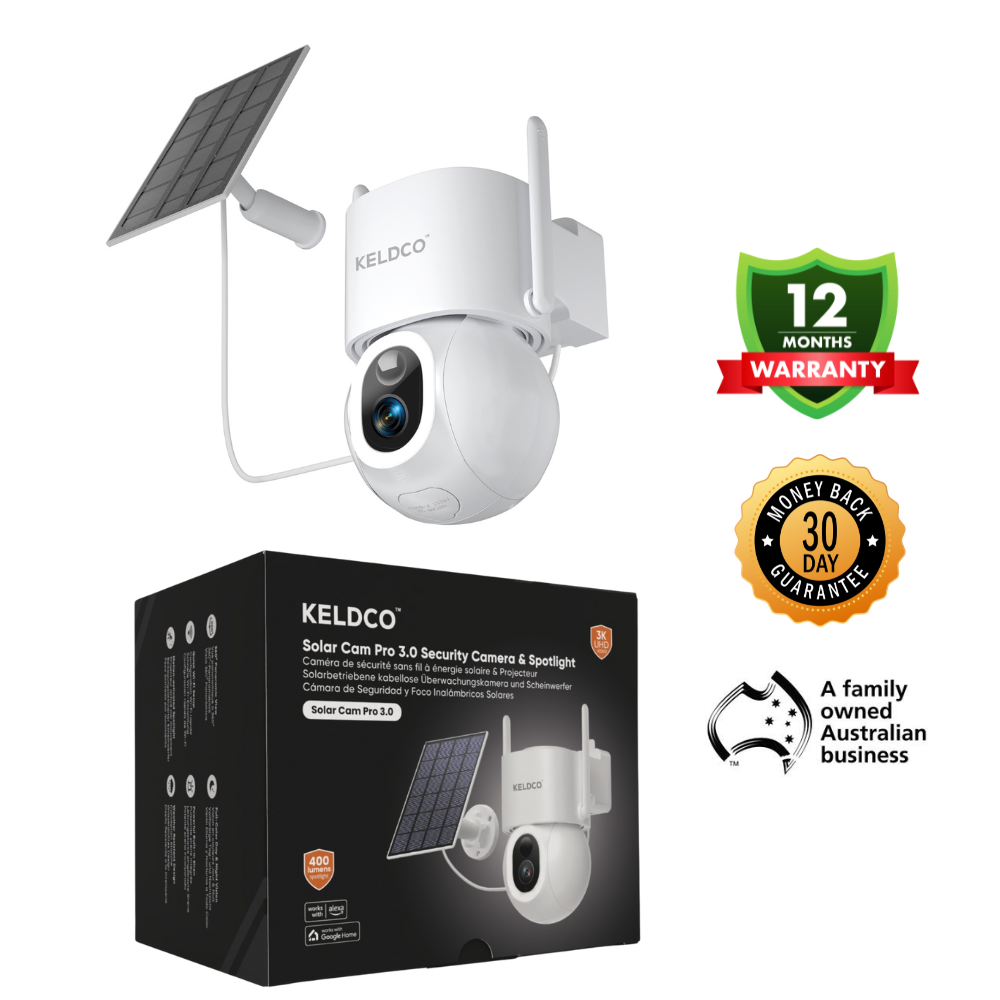
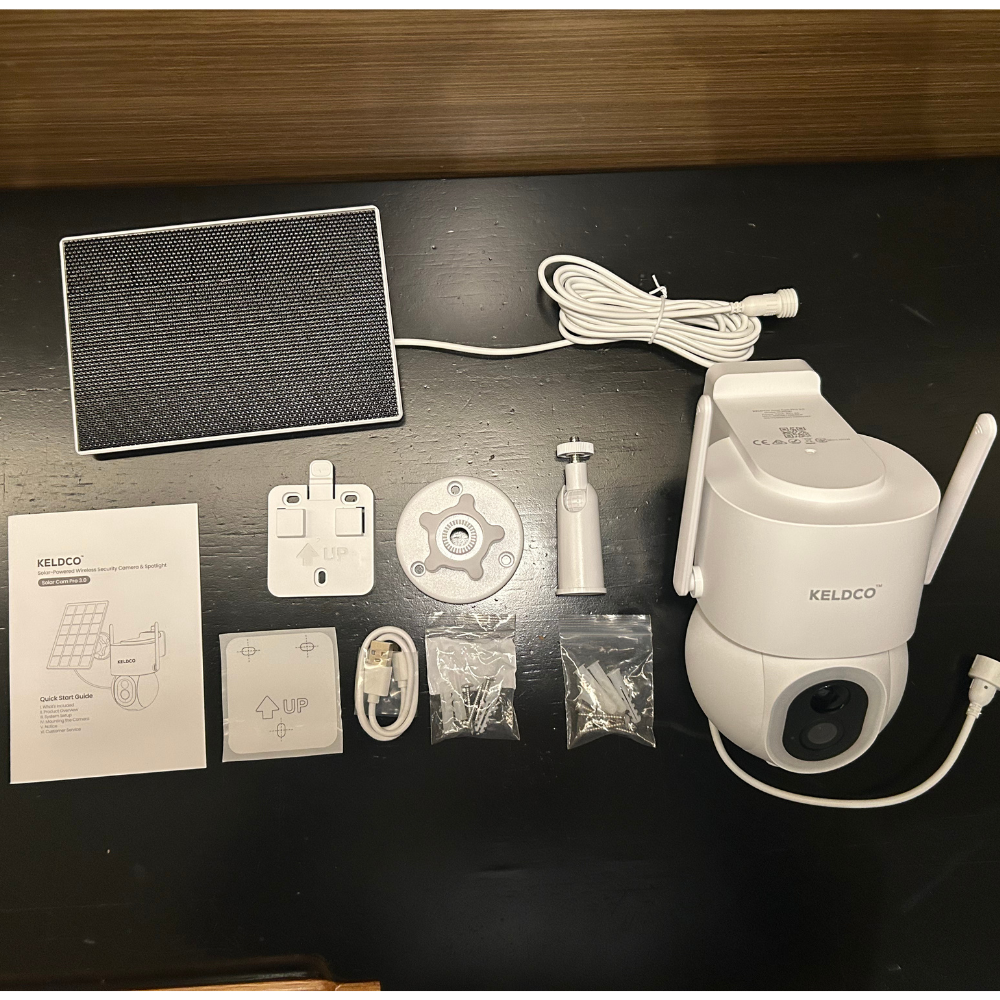
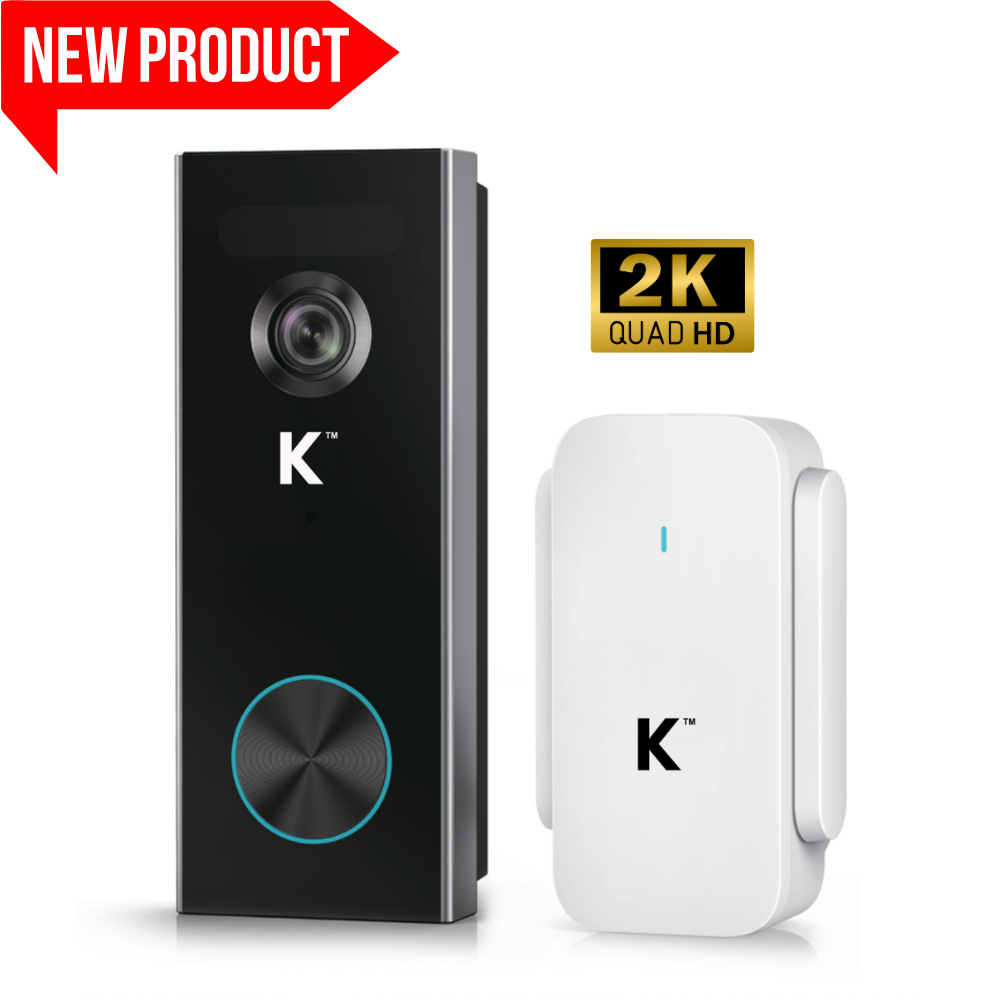
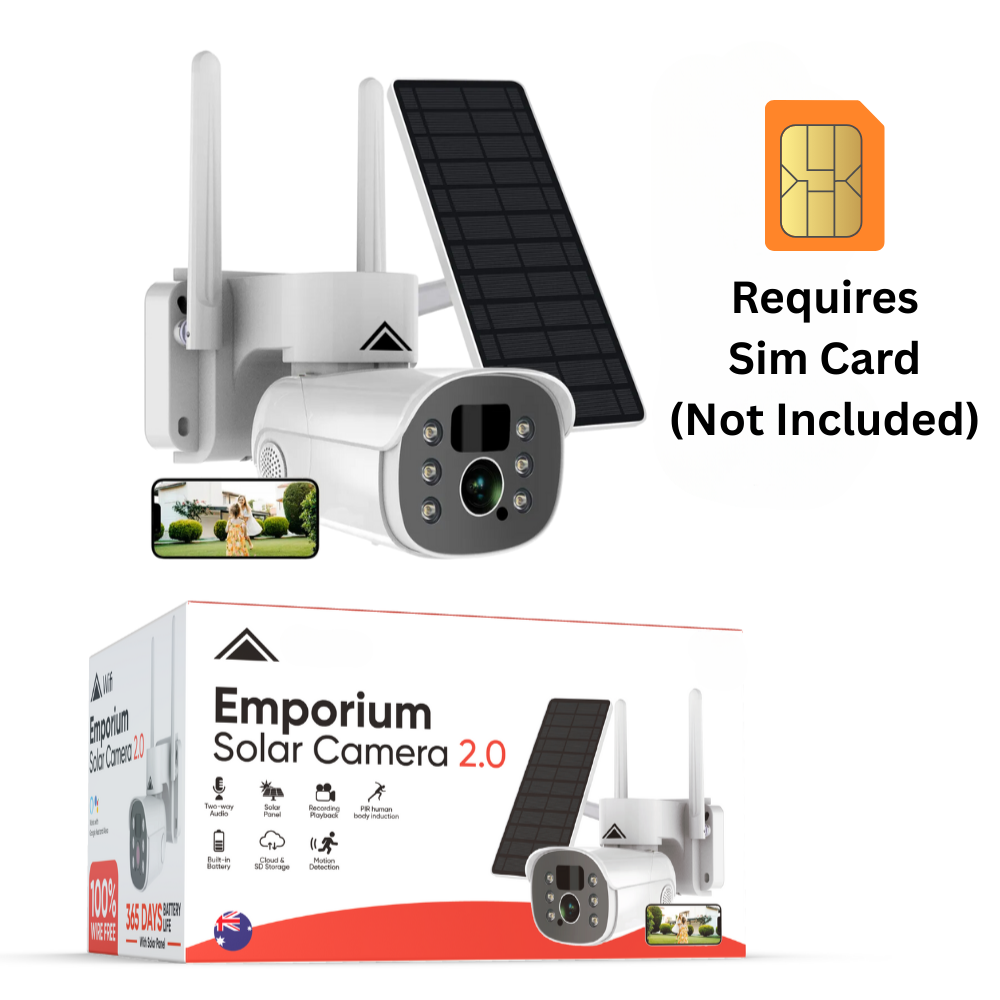
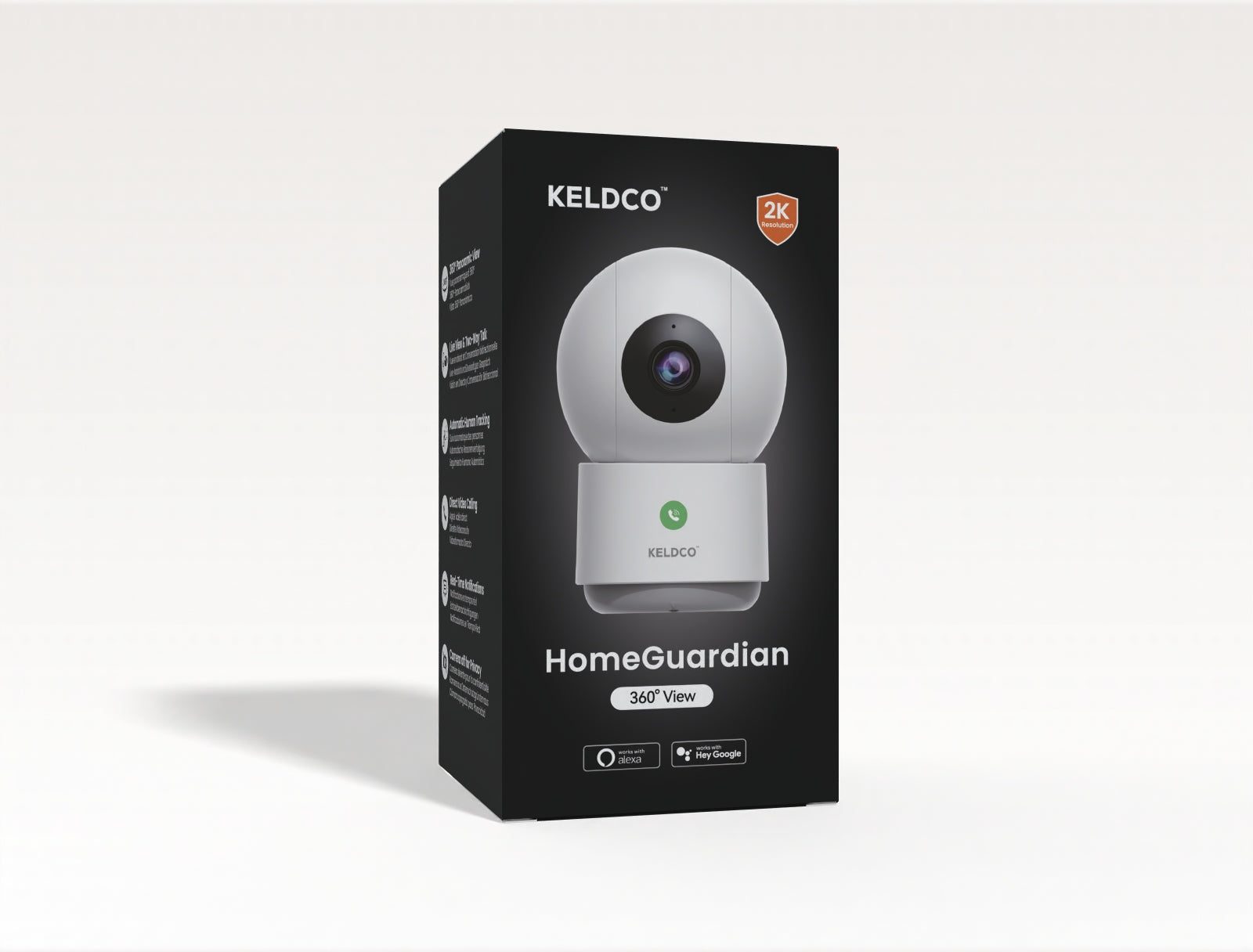
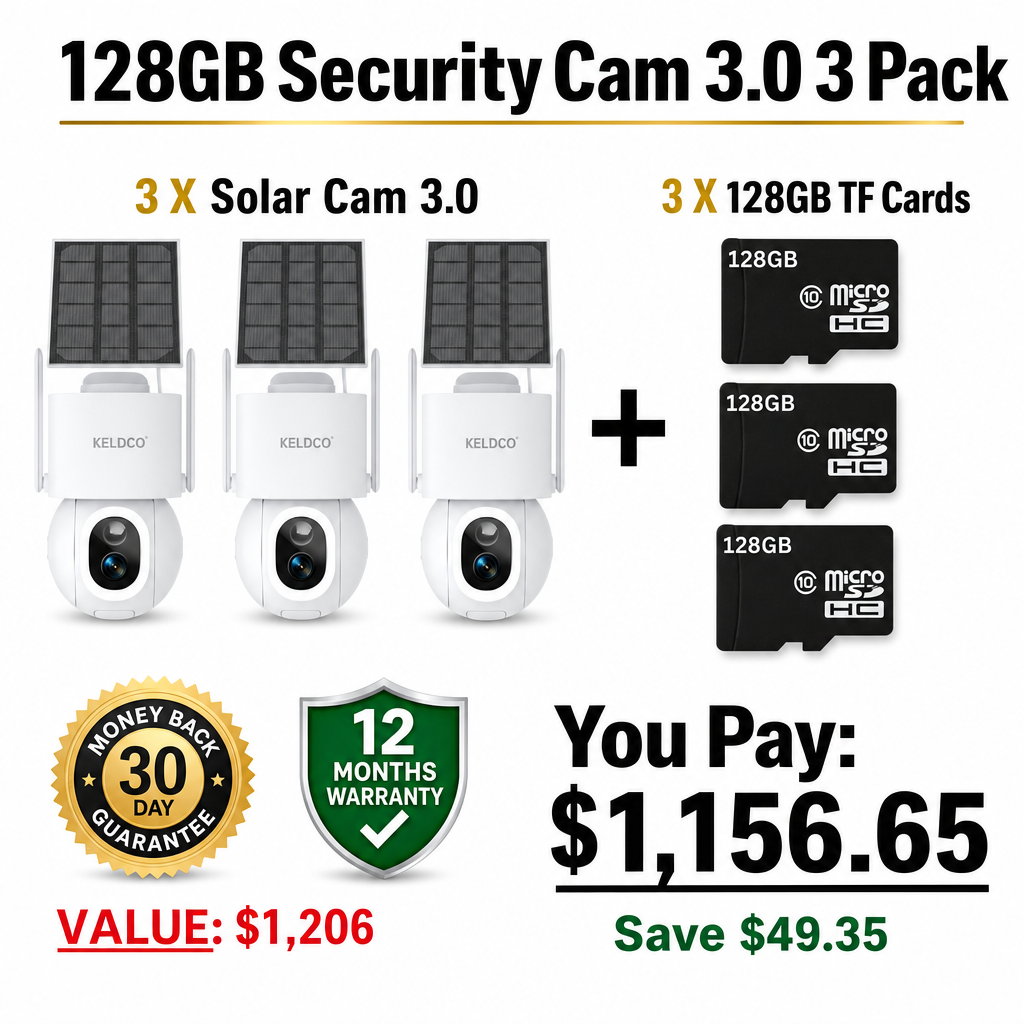
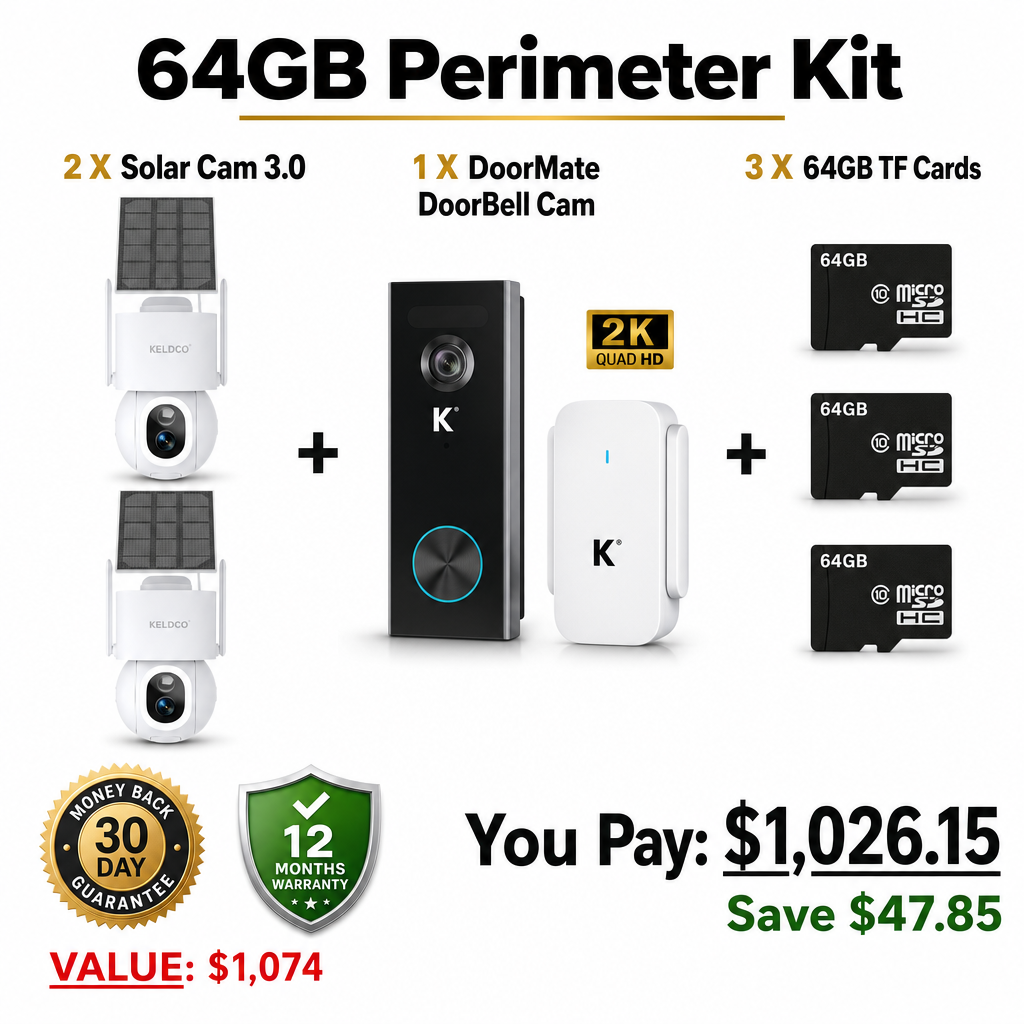
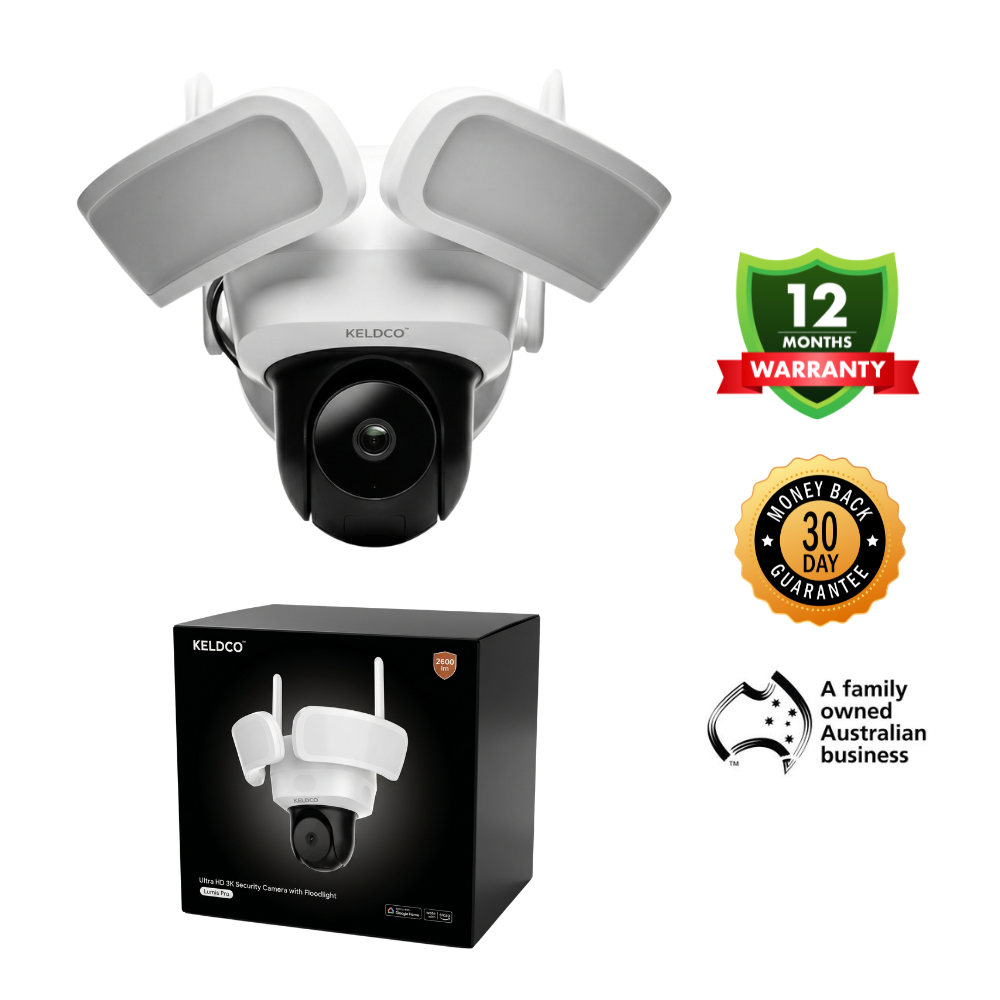
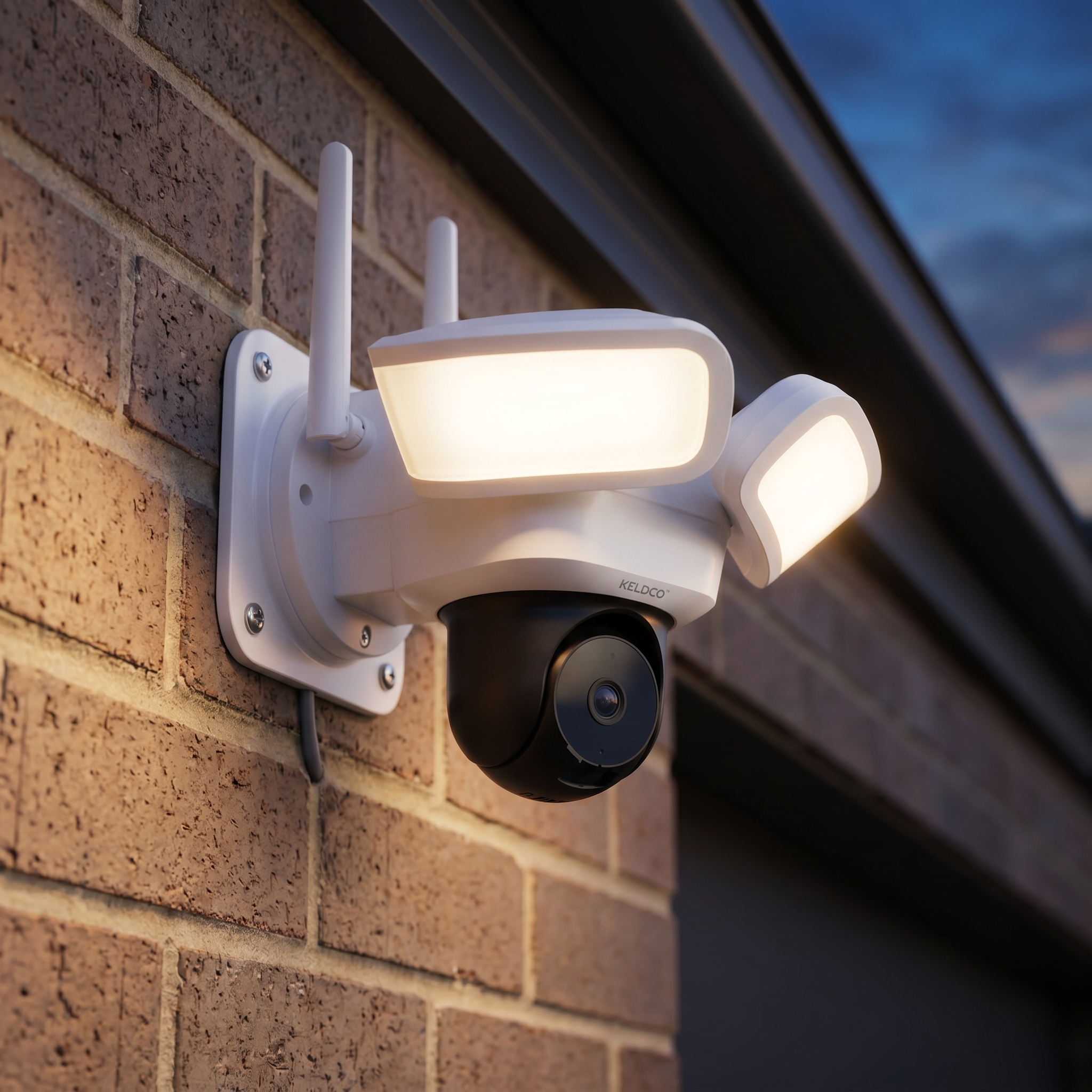
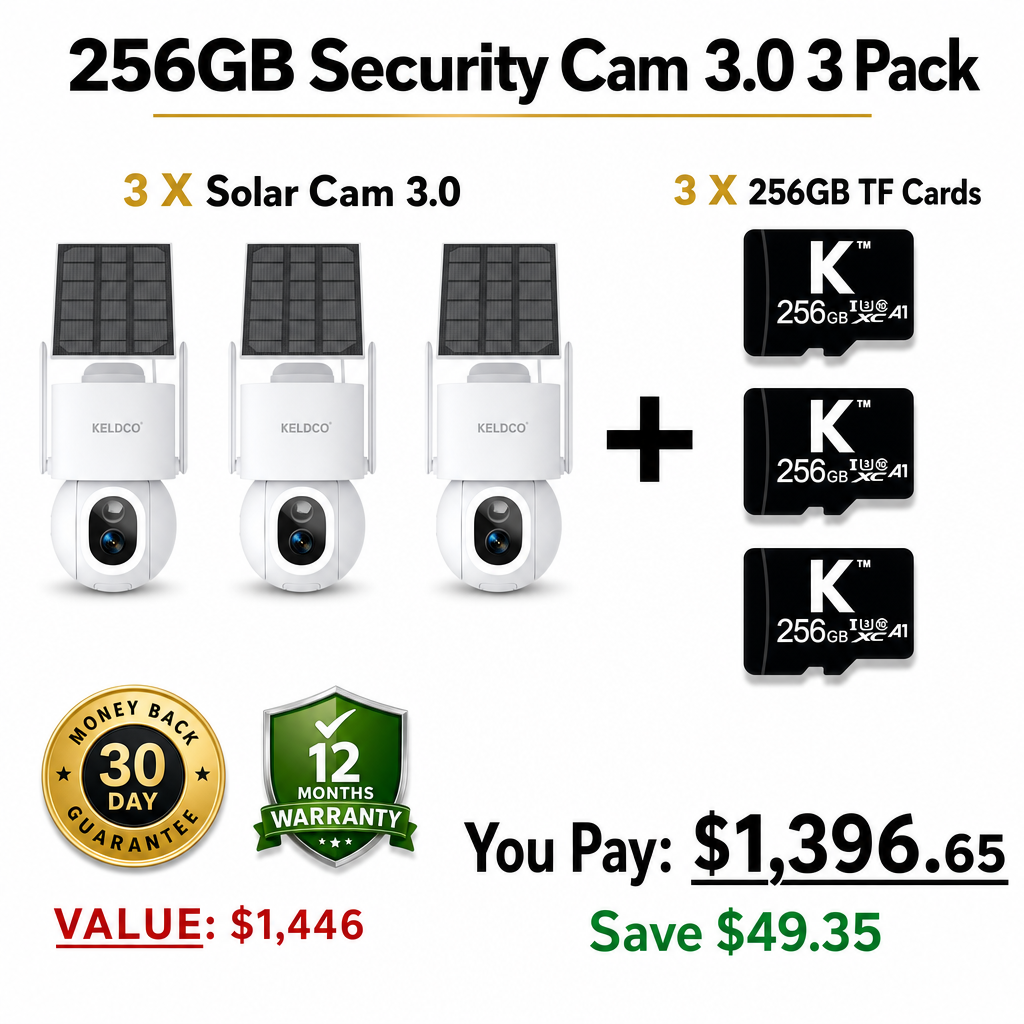
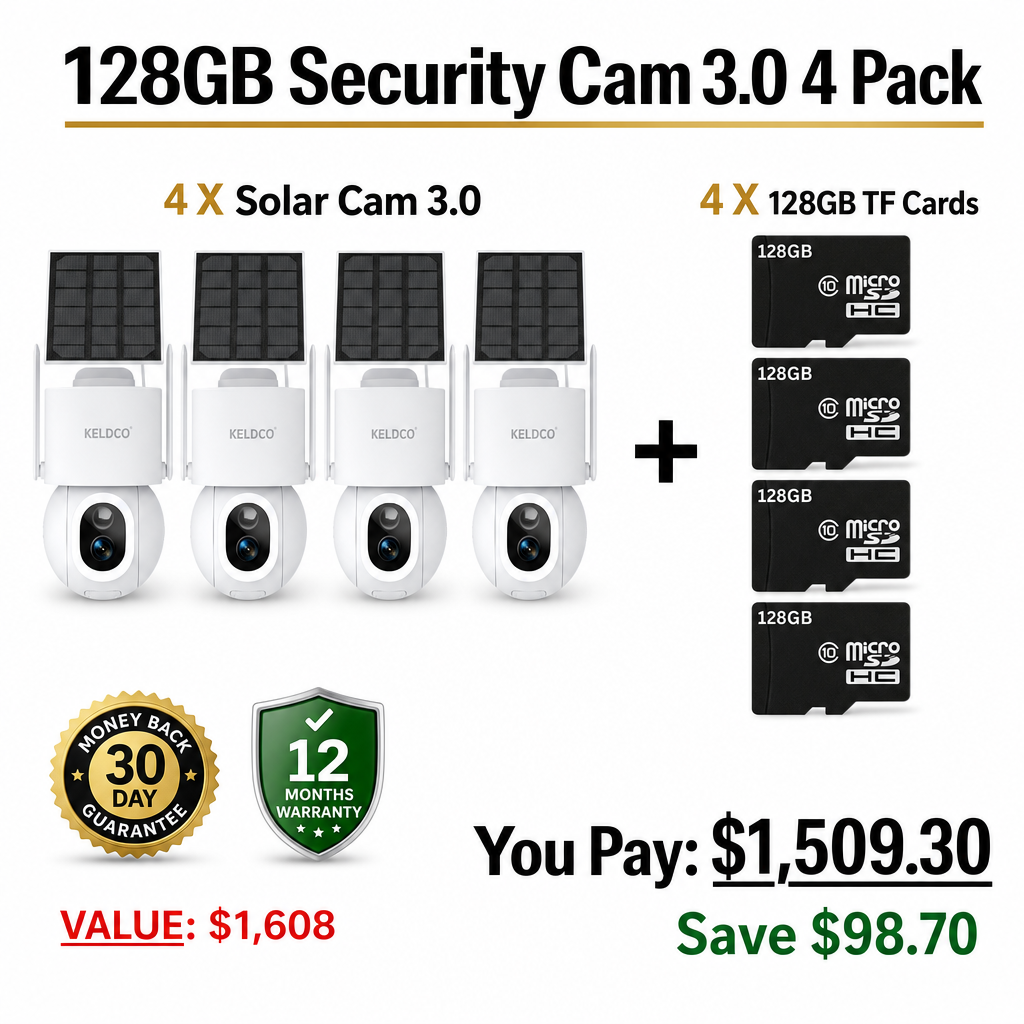
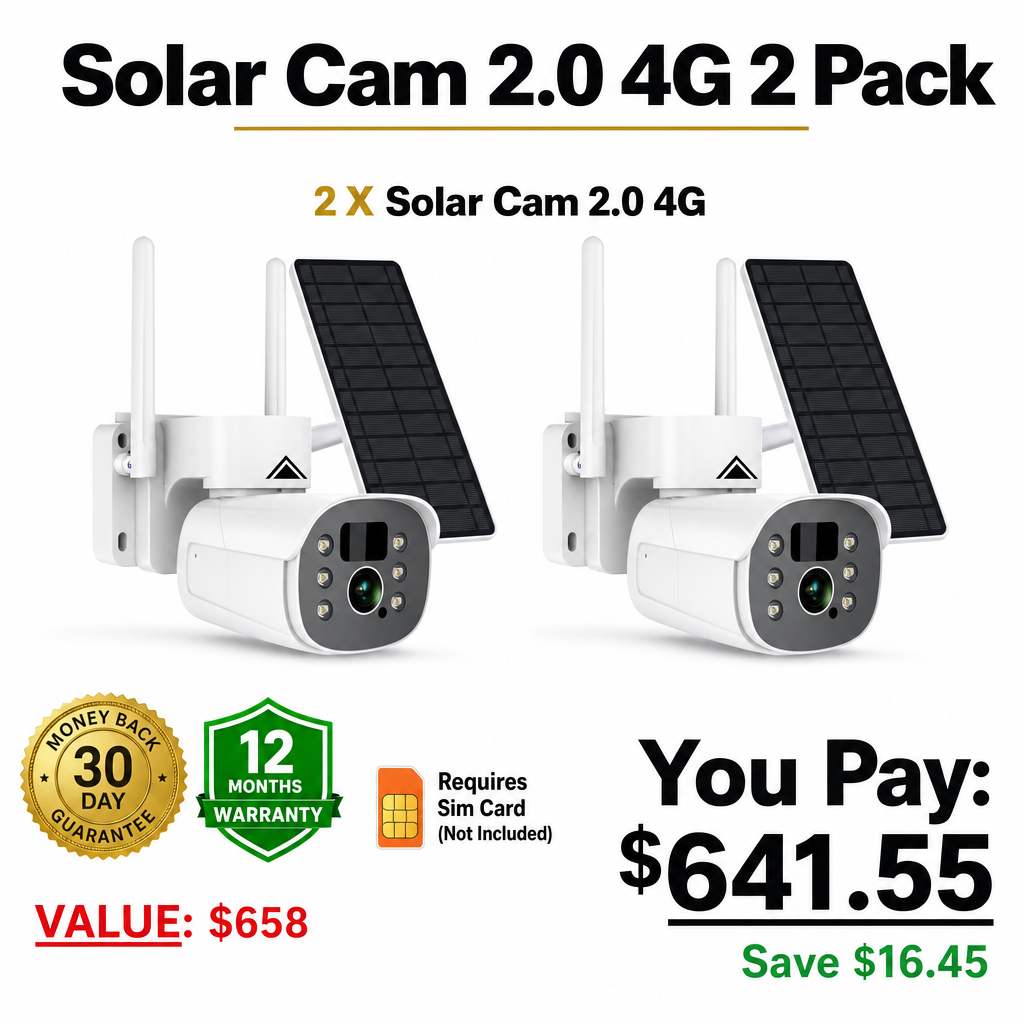
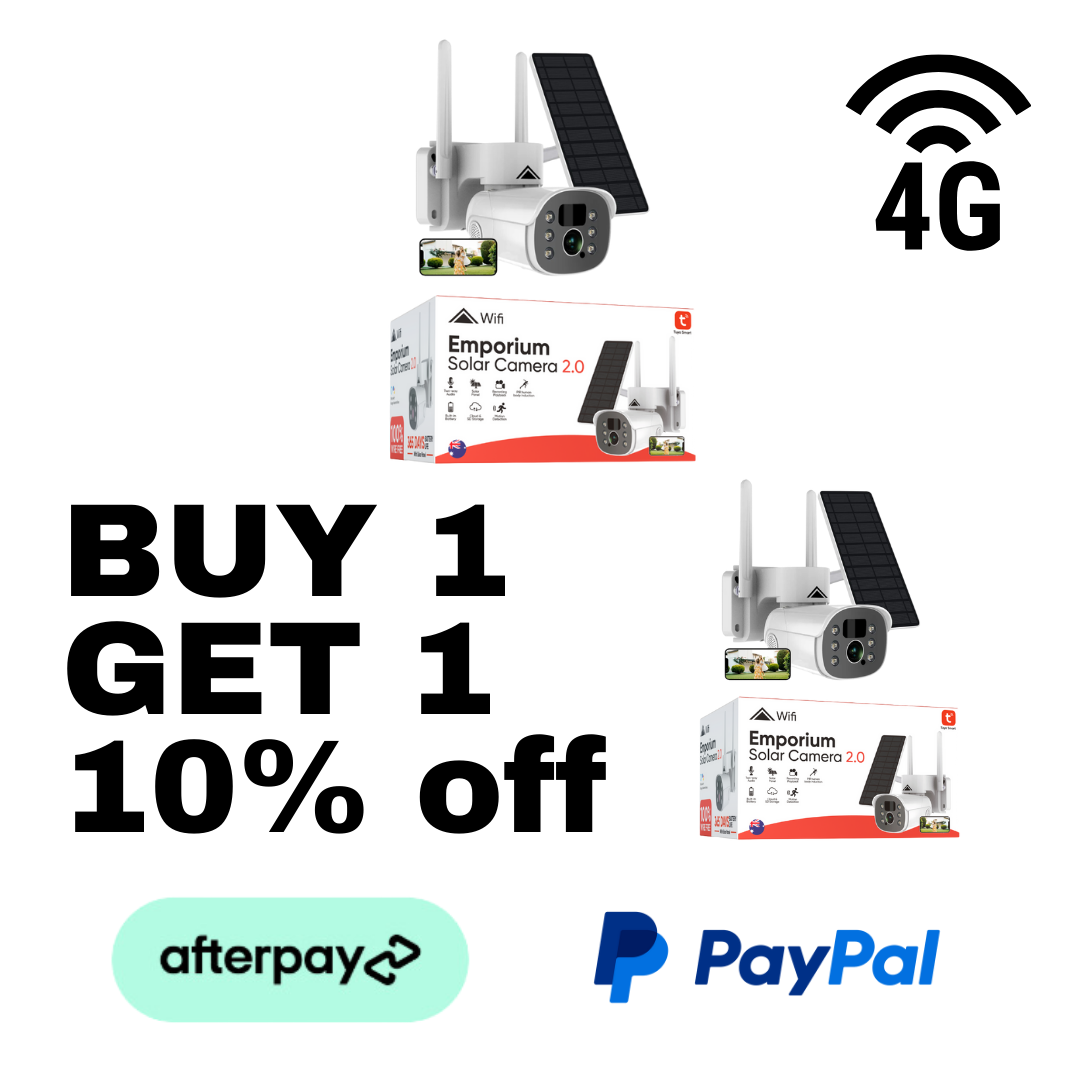
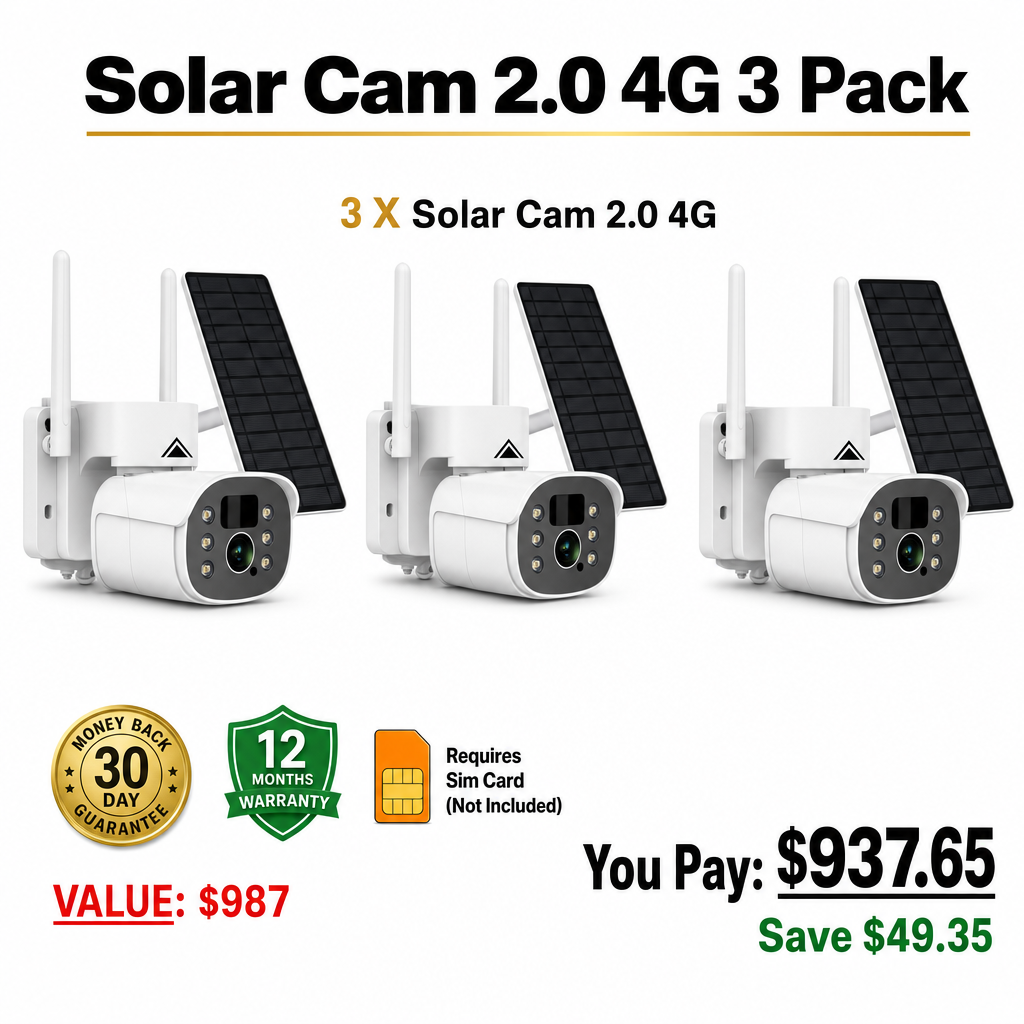
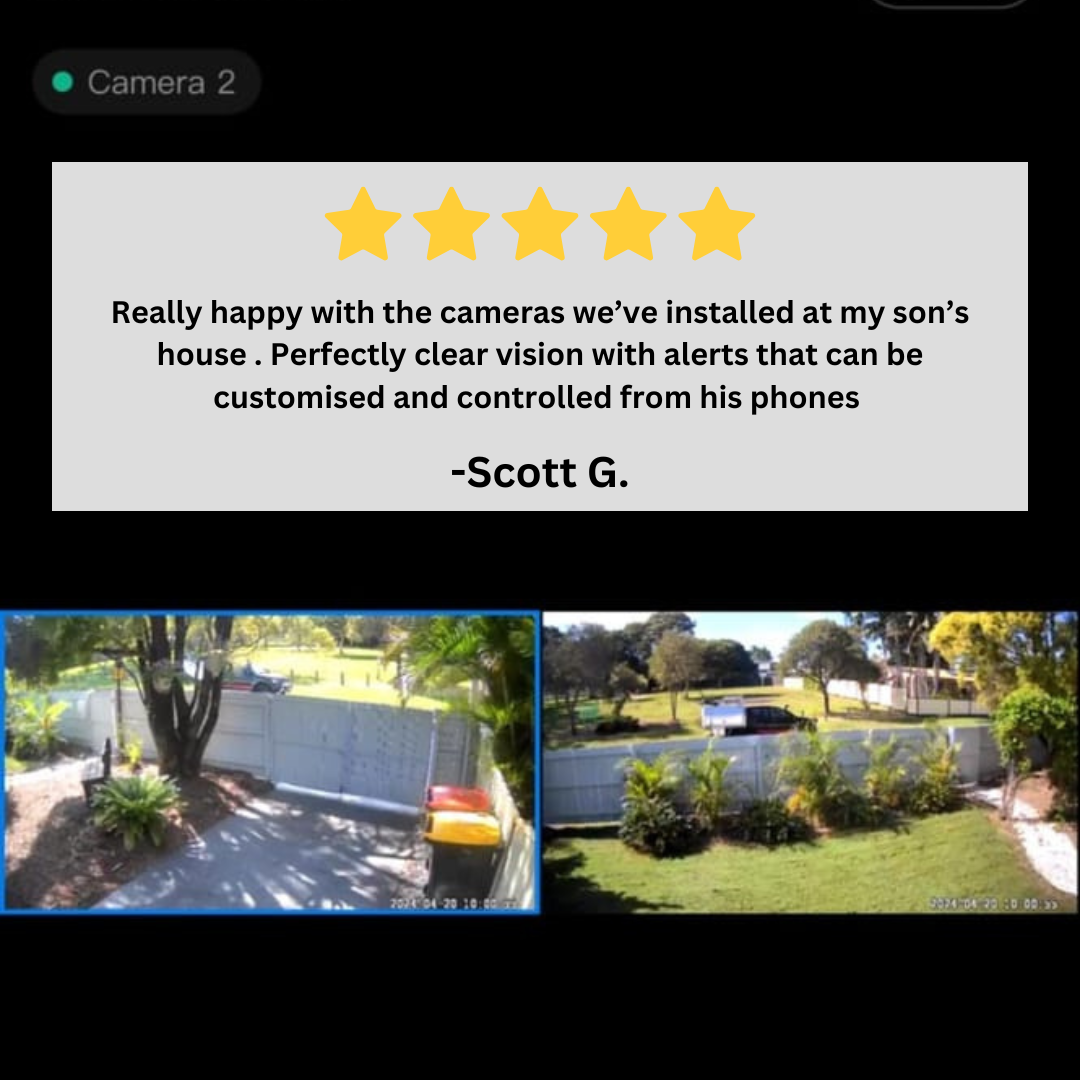

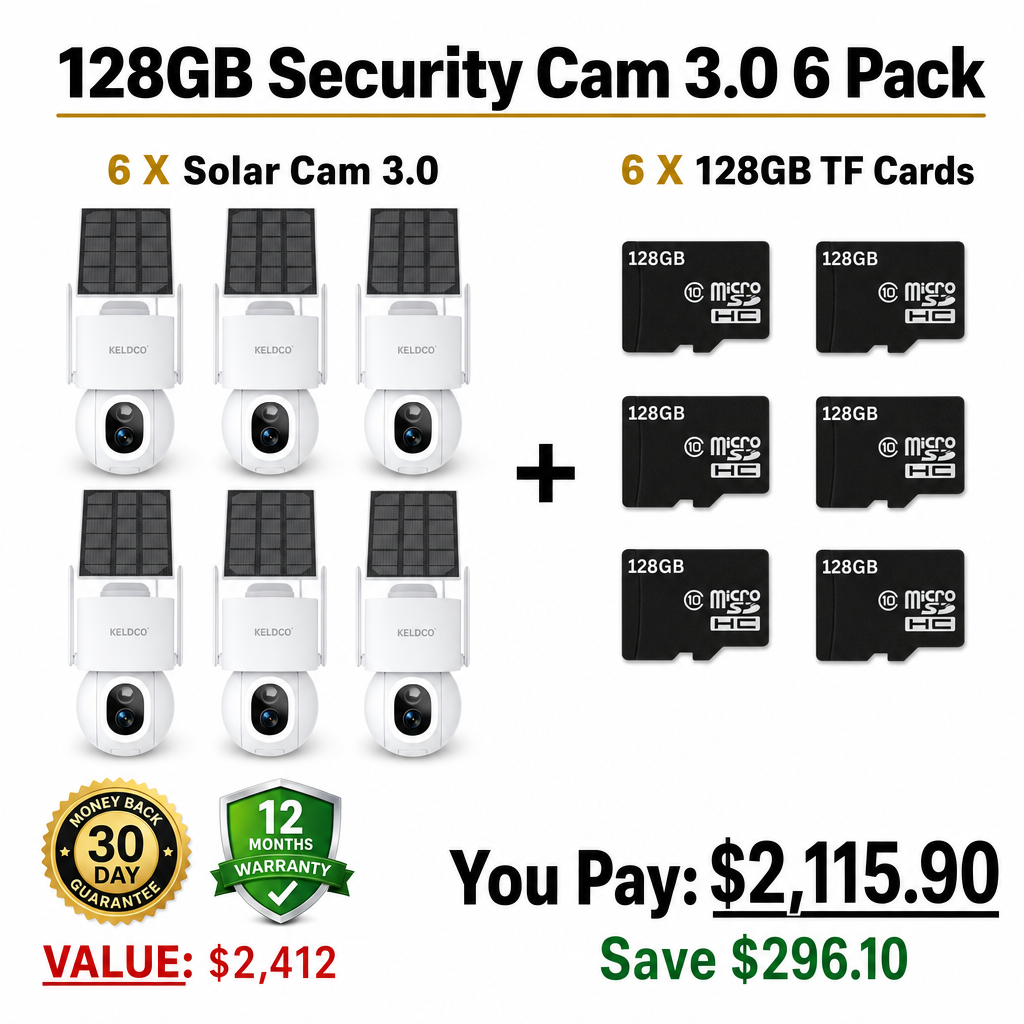

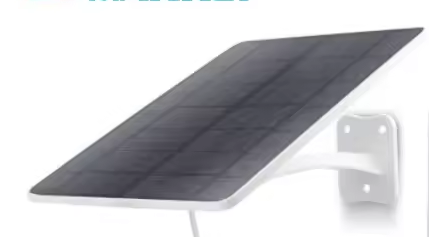
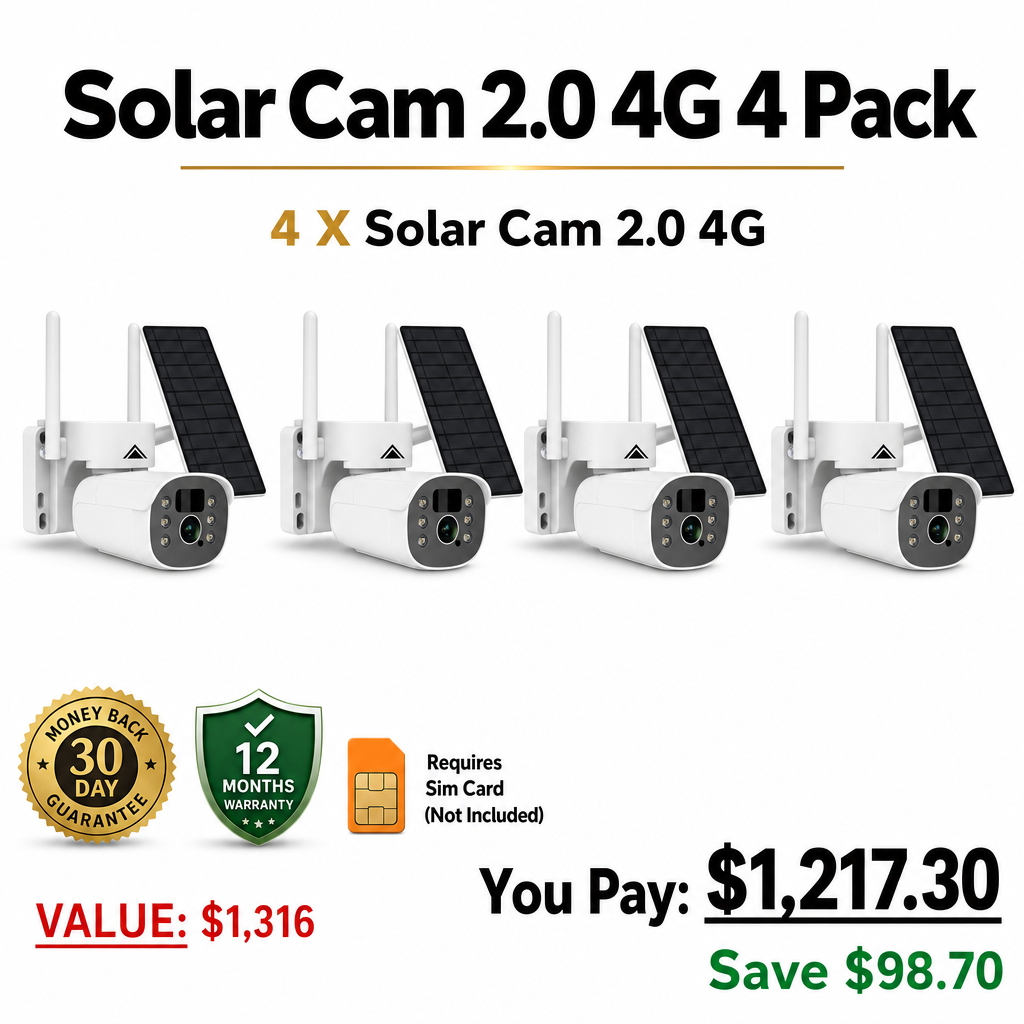


A 4G solar security camera keeps your home protected even where Wi-Fi can’t reach. It runs on solar power and connects through a 4G LTE network, giving you continuous monitoring and real-time access to footage from anywhere.
Unlike standard Wi-Fi cameras, these solar-powered 4G models don’t rely on electrical outlets or internet routers, making them perfect for outdoor areas, farms, or remote locations.
Why Choose a 4G Solar Security Camera
The main reason homeowners prefer a 4G solar security camera is its independence from power cables and Wi-Fi. Here’s why it stands out:
|
Feature |
Benefit |
|
Solar-Powered Efficiency |
No wiring or electricity needed—saves energy and installation costs. |
|
4G LTE Connectivity |
Streams footage anywhere with strong cellular coverage. |
|
Weatherproof Design |
Built to handle rain, snow, and heat for year-round reliability. |
|
Instant Alerts |
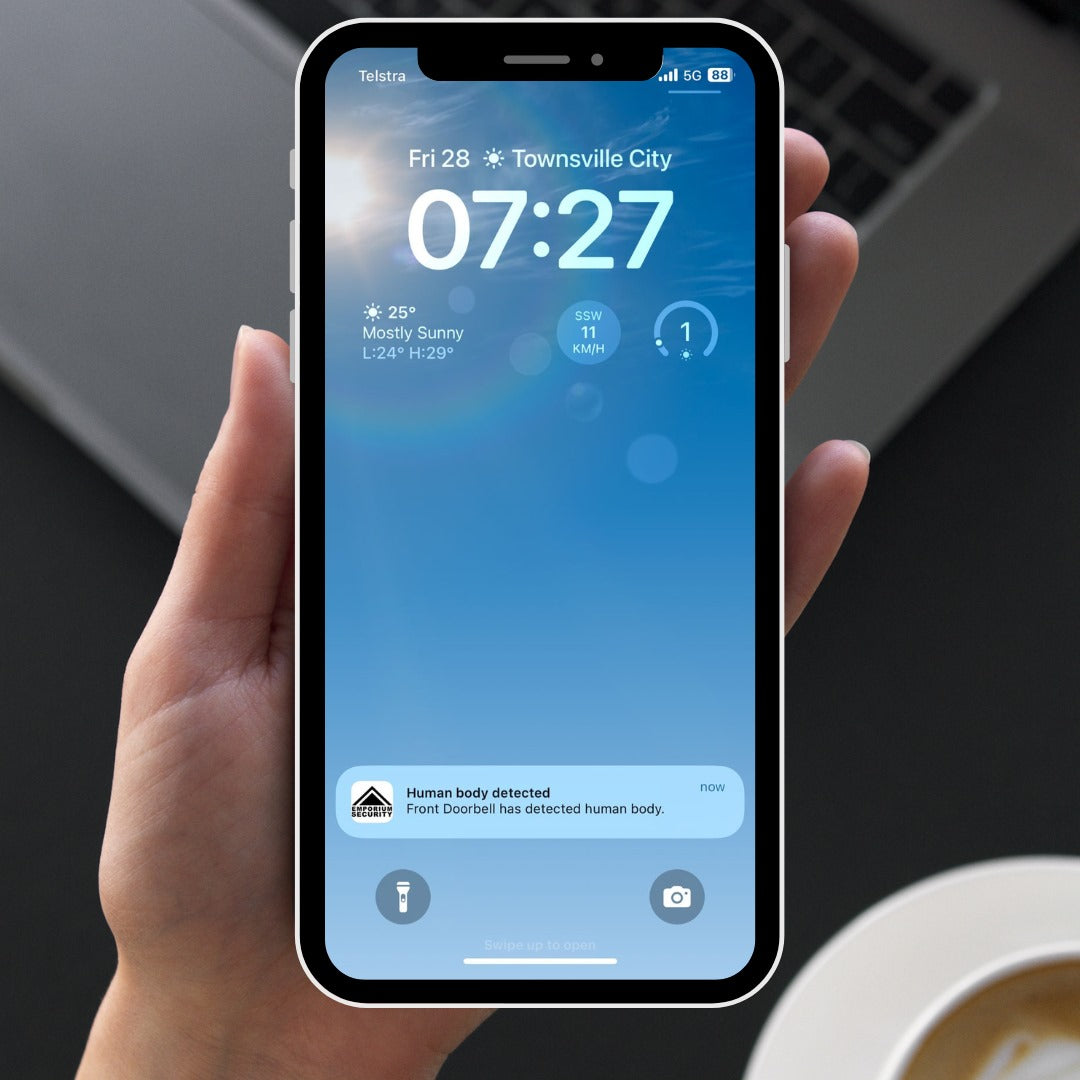
Sends motion detection alerts directly to your phone. |
How It Works
A small solar panel powers the camera’s rechargeable battery, while the 4G SIM card connects it to your cellular network. You can access live feeds, playback, or motion alerts via a mobile app. This makes it ideal for driveways, gardens, and off-grid areas where Wi-Fi isn’t stable.
Key Advantages of Solar 4G Cameras
|
Type |
Best For |
Battery Backup |
|
Fixed 4G Solar Camera |
Constant surveillance of one area |
20–30 hours |
|
PTZ 4G Solar Camera |
Pan, tilt, and zoom coverage |
30–40 hours |
|
Mini 4G Solar Camera |
Discreet outdoor use |
15–20 hours |
Among these, PTZ 4G solar security cameras are the most versatile. They can rotate 360° and zoom in remotely, offering complete coverage of your property.
Which 4G Solar Security Camera Is Best for You
When selecting the best model, consider the following:
-
Signal Coverage: Choose a carrier-compatible camera that works in your area (e.g., AT&T, Verizon, or T-Mobile).
-
Battery Capacity: Opt for at least 10,000mAh for consistent power during cloudy days.
-
Video Resolution: A 2K or 4K option provides clear facial and plate recognition.
-
Storage Options: Look for models with microSD slots and cloud backup.
For homes with large outdoor spaces, a 4G solar security camera with motion detection and night vision offers the most complete protection.
Things to Know
-
Install solar panels facing direct sunlight for optimal charging.
-
Use a weather-sealed SIM card slot to prevent moisture damage.
-
Regularly clean the solar panel to maintain performance.
-
Test camera placement before final mounting to ensure strong signal reception.
Why 4G Solar Cameras Beat Wi-Fi Cameras
Wi-Fi cameras often struggle with signal interruptions. In contrast, 4G solar security cameras maintain a stable connection even in remote or rural areas. They’re especially useful for vacation homes, barns, or gates where you can’t easily run cables or routers.
For extended performance, models with large solar panels and high-capacity batteries can last up to 6 days without direct sunlight.
Related Collections
Related Blog Guides
Final Thoughts on 4G Solar Security Camera
A 4G solar security camera is the ideal solution for off-grid home security. It offers continuous power, instant mobile access, and durable construction for any weather. Whether protecting your driveway, backyard, or vacation cabin, it keeps you connected wherever you are.
Keep your home secure with smart energy-efficient surveillance—powered by the sun and connected through 4G LTE.
FAQs About 4G Solar Security Cameras
Are 4G security cameras good?
Yes. 4G security cameras are reliable for areas with limited Wi-Fi access. They use a SIM card to transmit data and can record in HD or 4K resolution. Combined with solar power, they’re an excellent choice for outdoor surveillance without wiring or internet dependency.
How much data does a 4G camera use per month?
On average, a 4G camera consumes between 2GB and 10GB monthly, depending on video quality, motion alerts, and live streaming frequency. For best results, set motion-triggered recording instead of continuous recording to minimize data usage.
Which is better, a 4G or a Wi-Fi camera?
A 4G solar camera is better for remote or outdoor spaces where Wi-Fi signals are weak. Wi-Fi cameras, on the other hand, are ideal for indoor setups with strong internet connections. If you prioritize flexibility and mobility, the 4G solar version wins.
Do 4G SIM cameras require a subscription?
Some models use prepaid SIM cards with flexible data plans, while others need a monthly subscription. Many homeowners prefer prepaid options since they’re more affordable and require no long-term contract. Always confirm carrier compatibility before buying.
In what states are cellular trail cameras illegal?
A few U.S. states, including Montana and Nevada, restrict cellular trail cameras during hunting seasons to protect wildlife ethics. However, these rules generally don’t apply to home outdoor 4G solar security cameras, which are meant for personal property monitoring.