

Filters
25 products
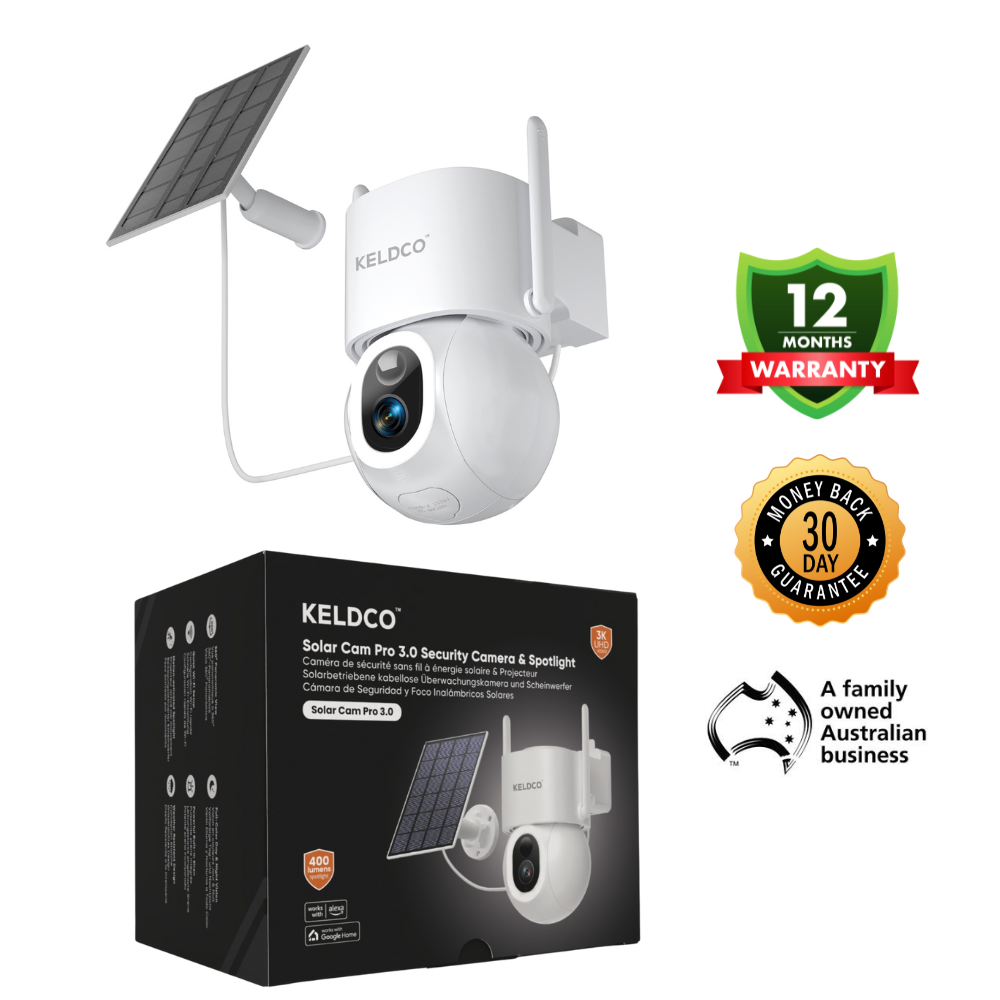
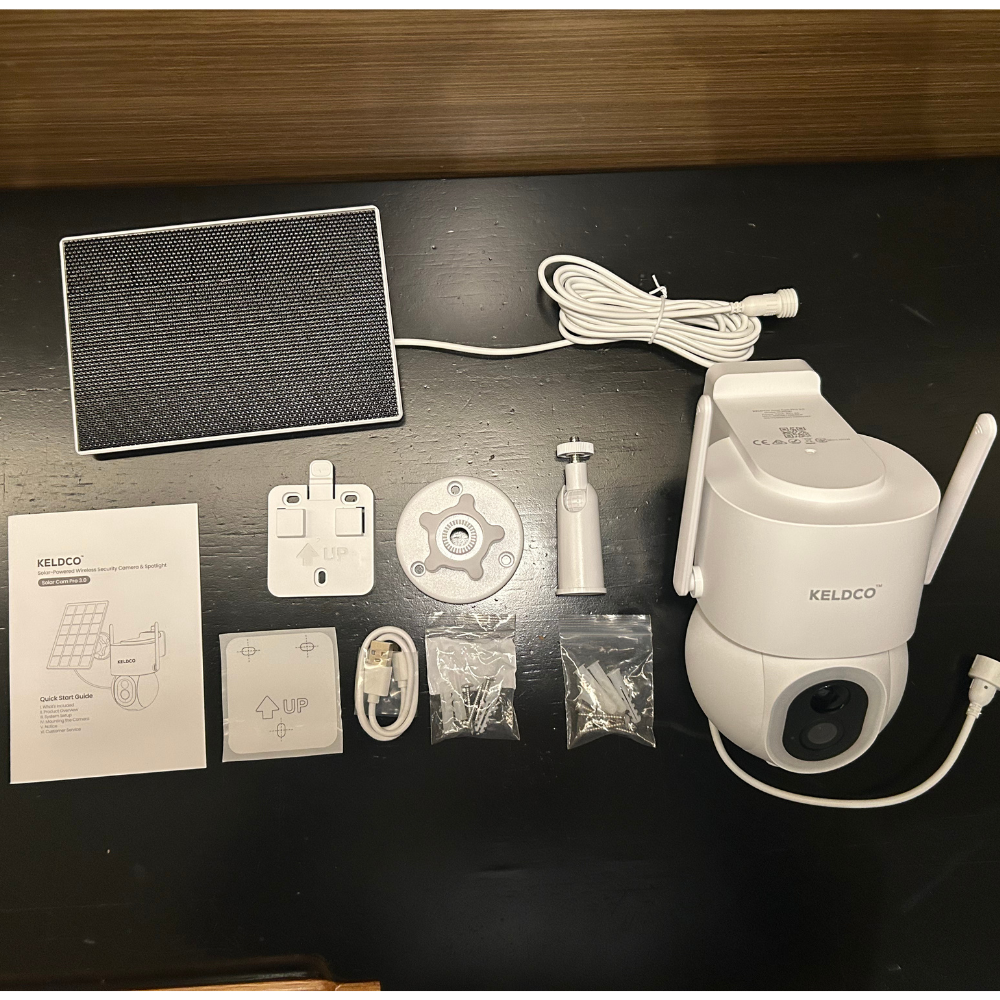
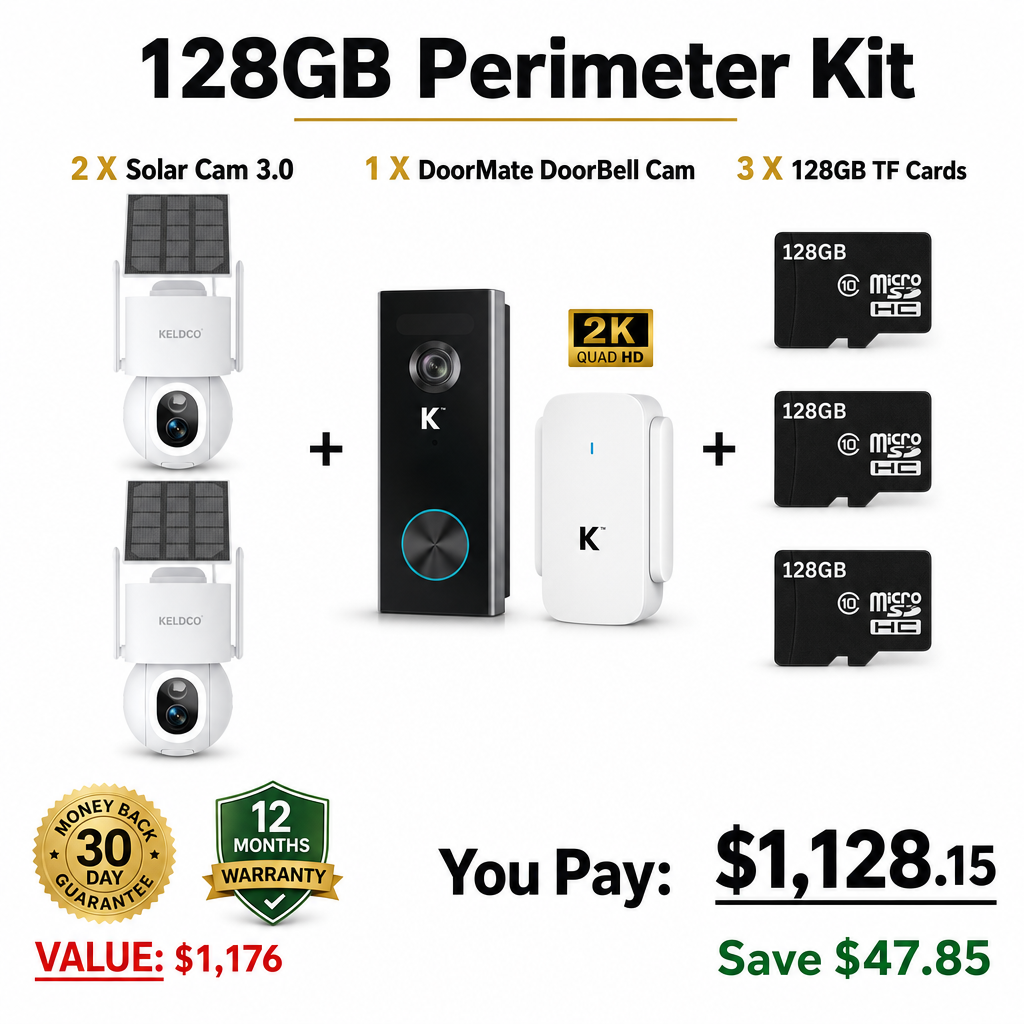
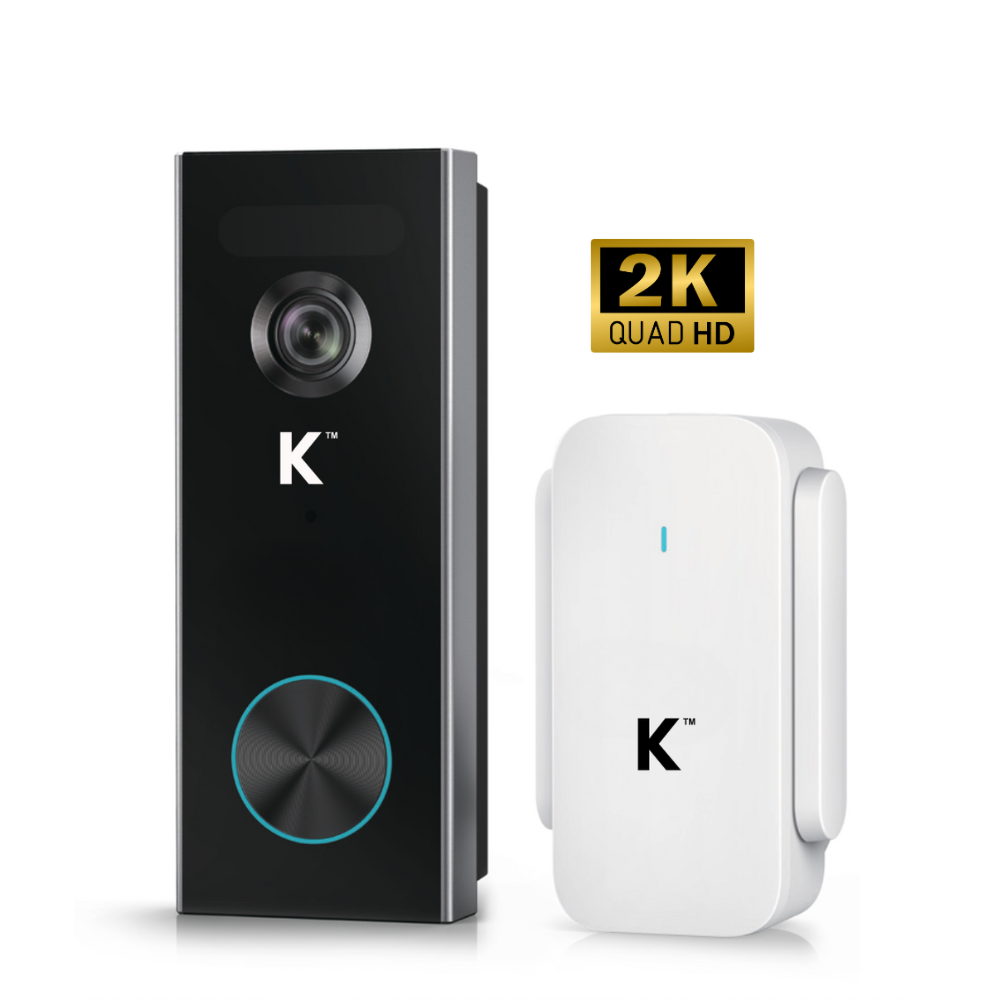
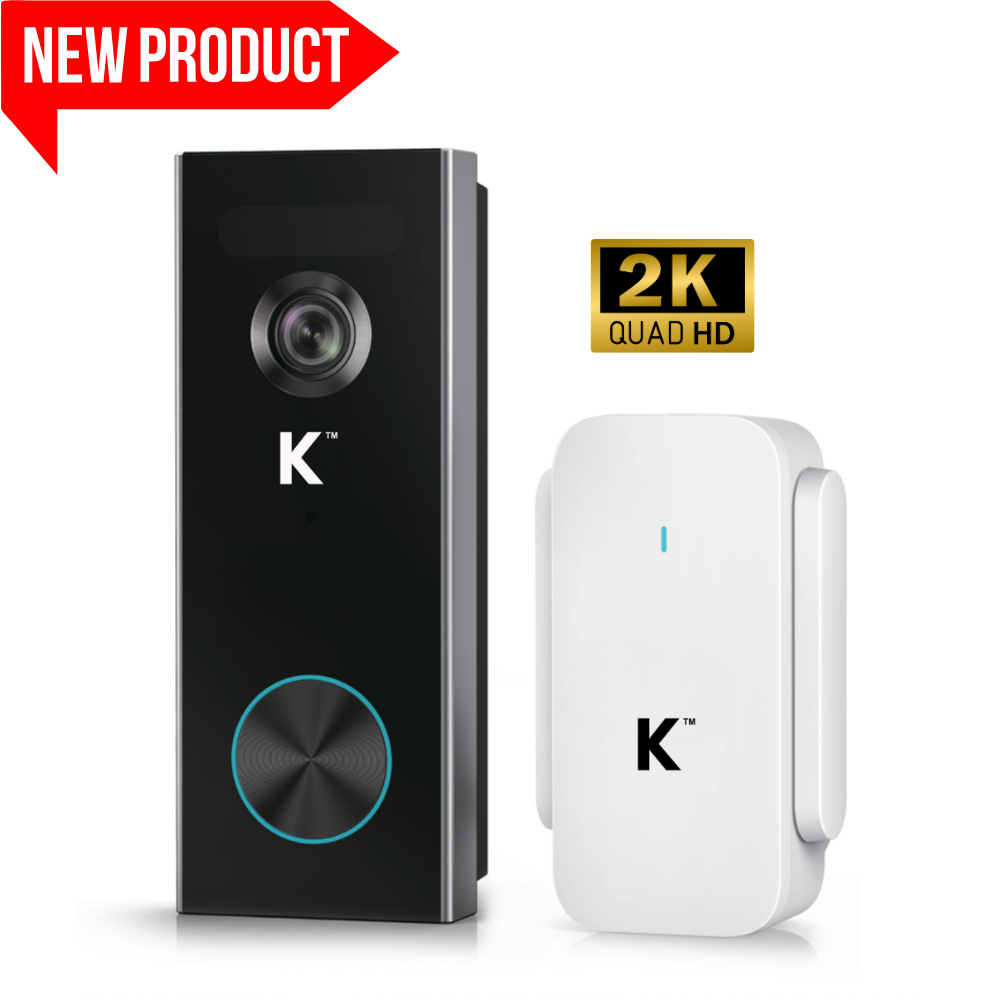
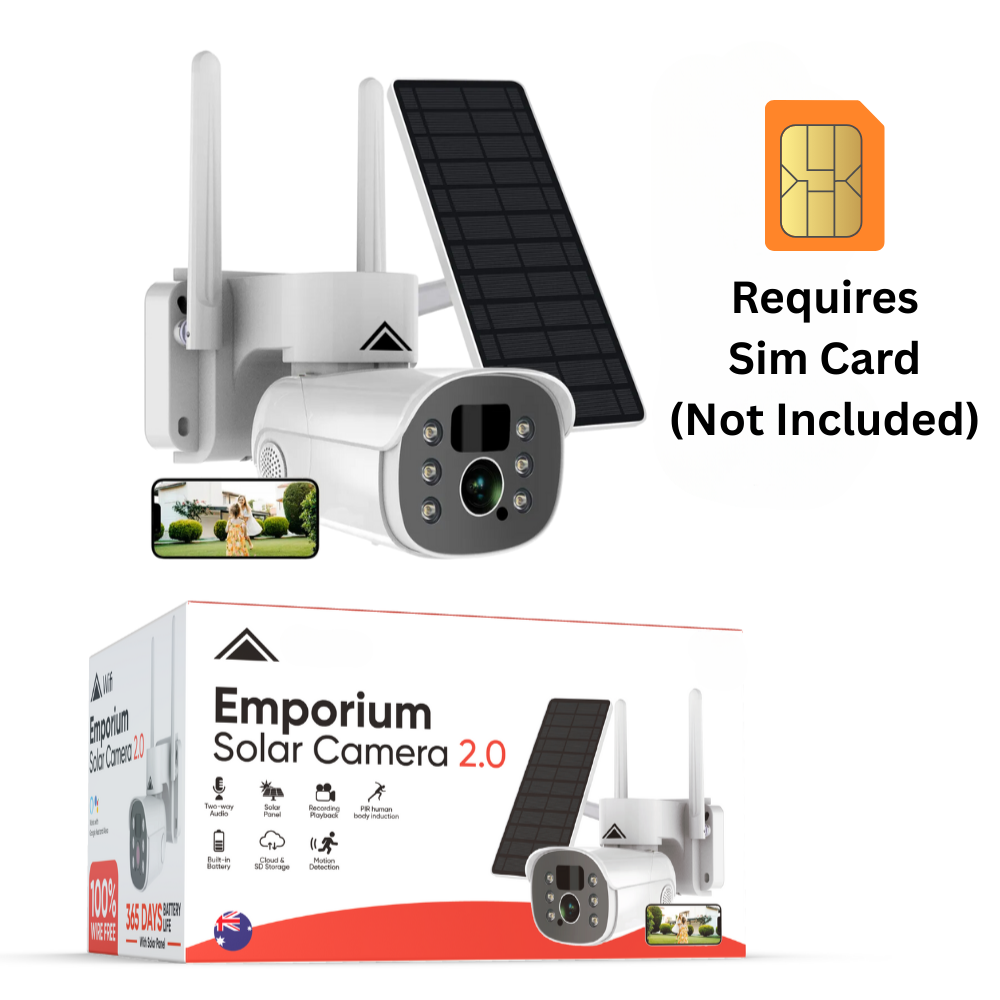
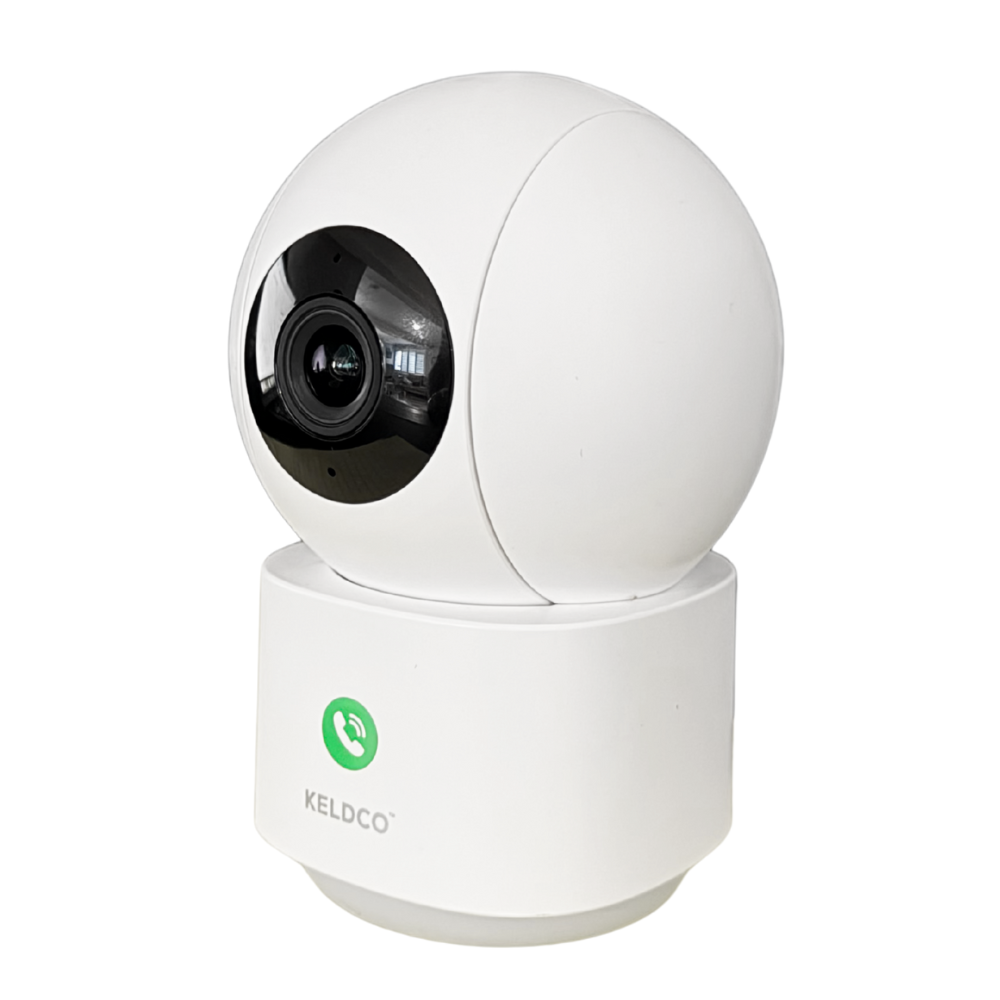
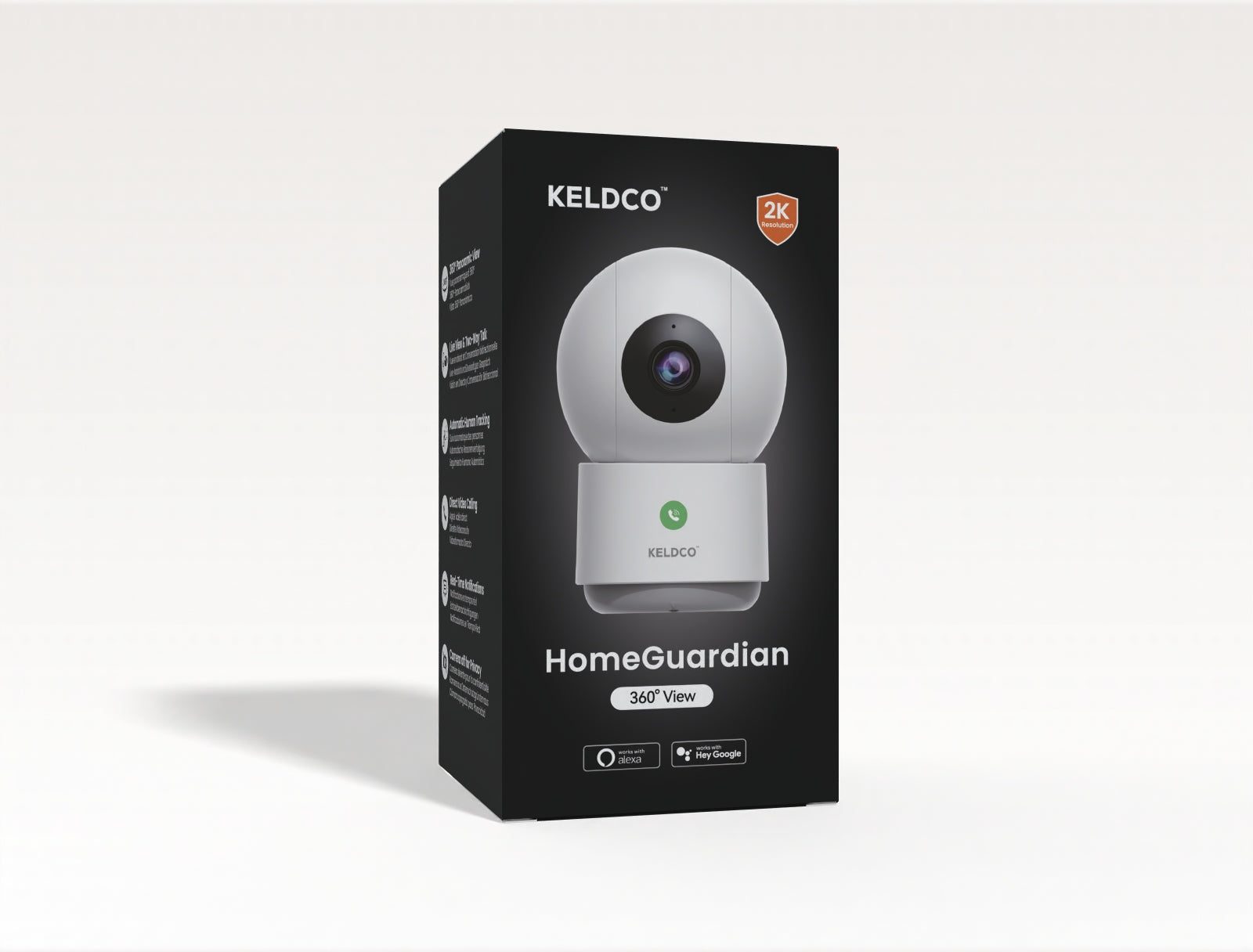
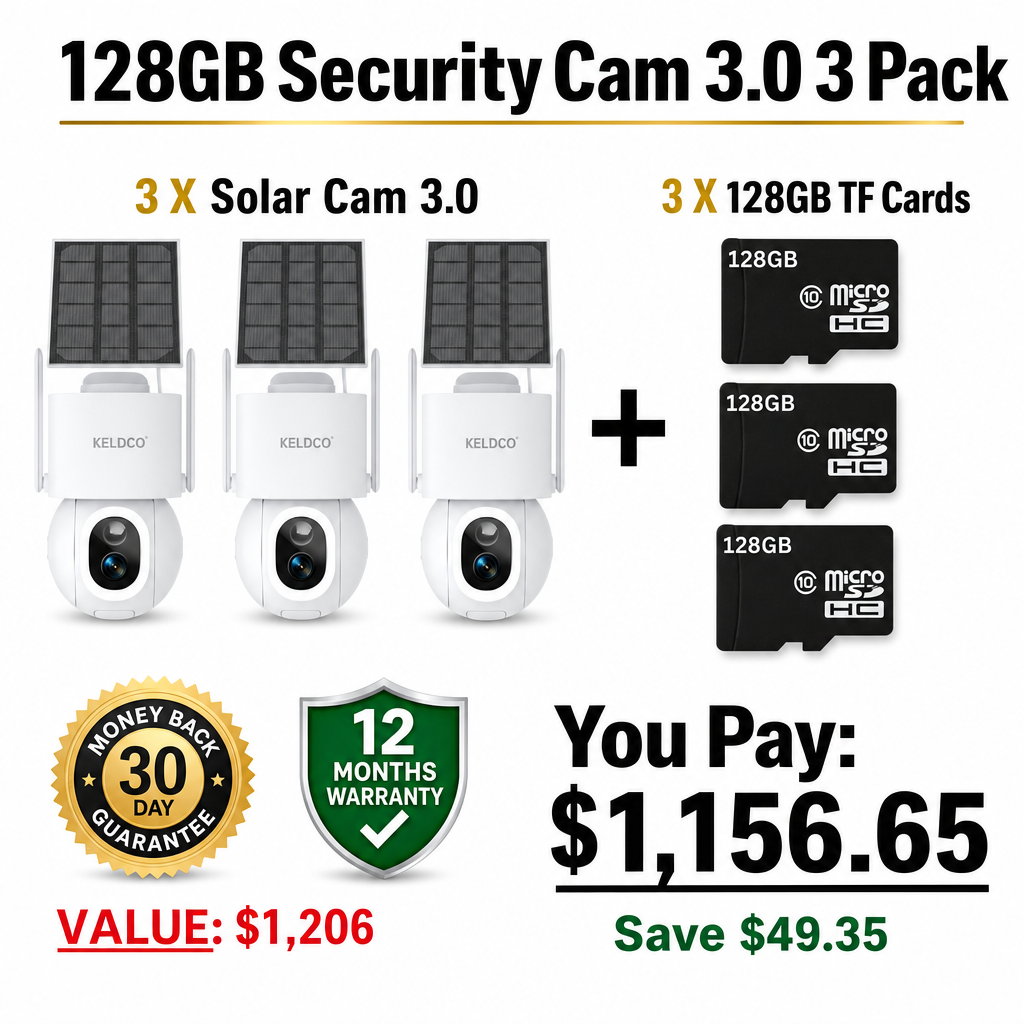
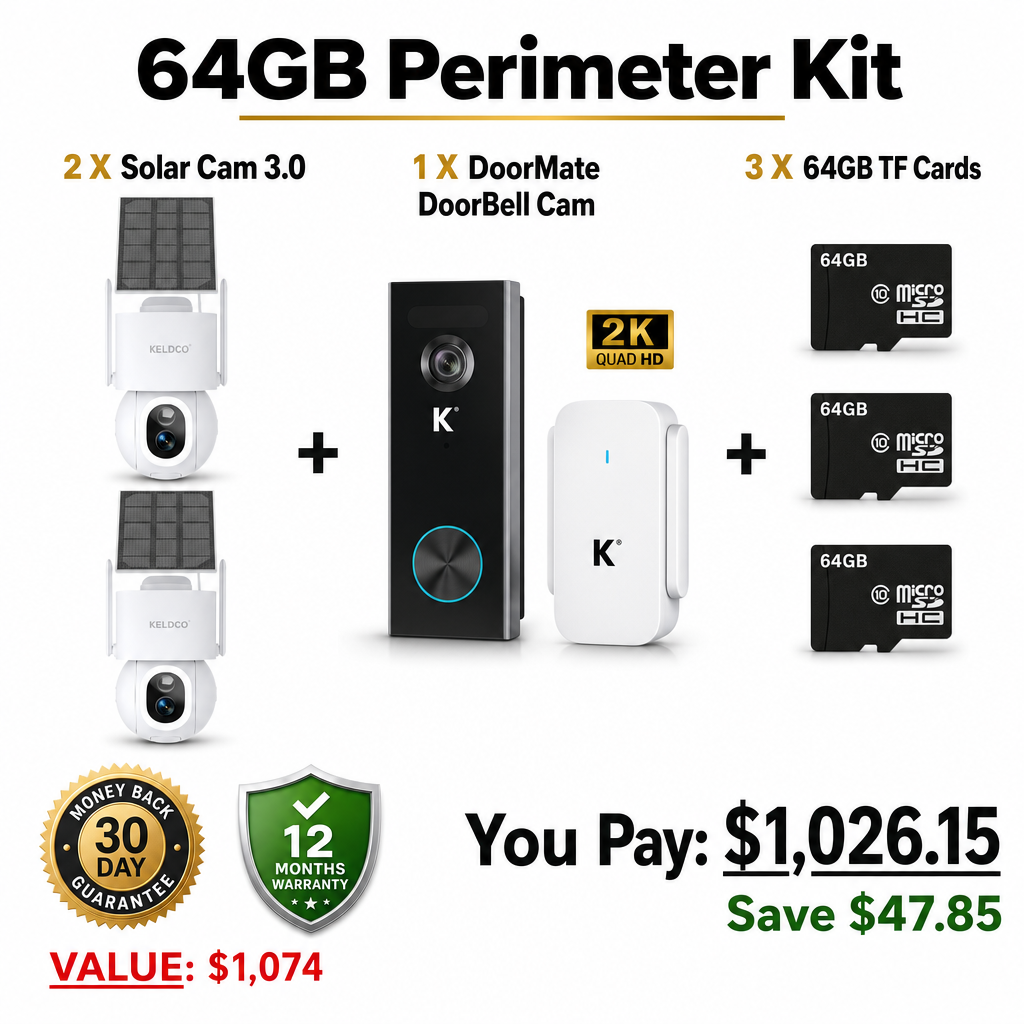
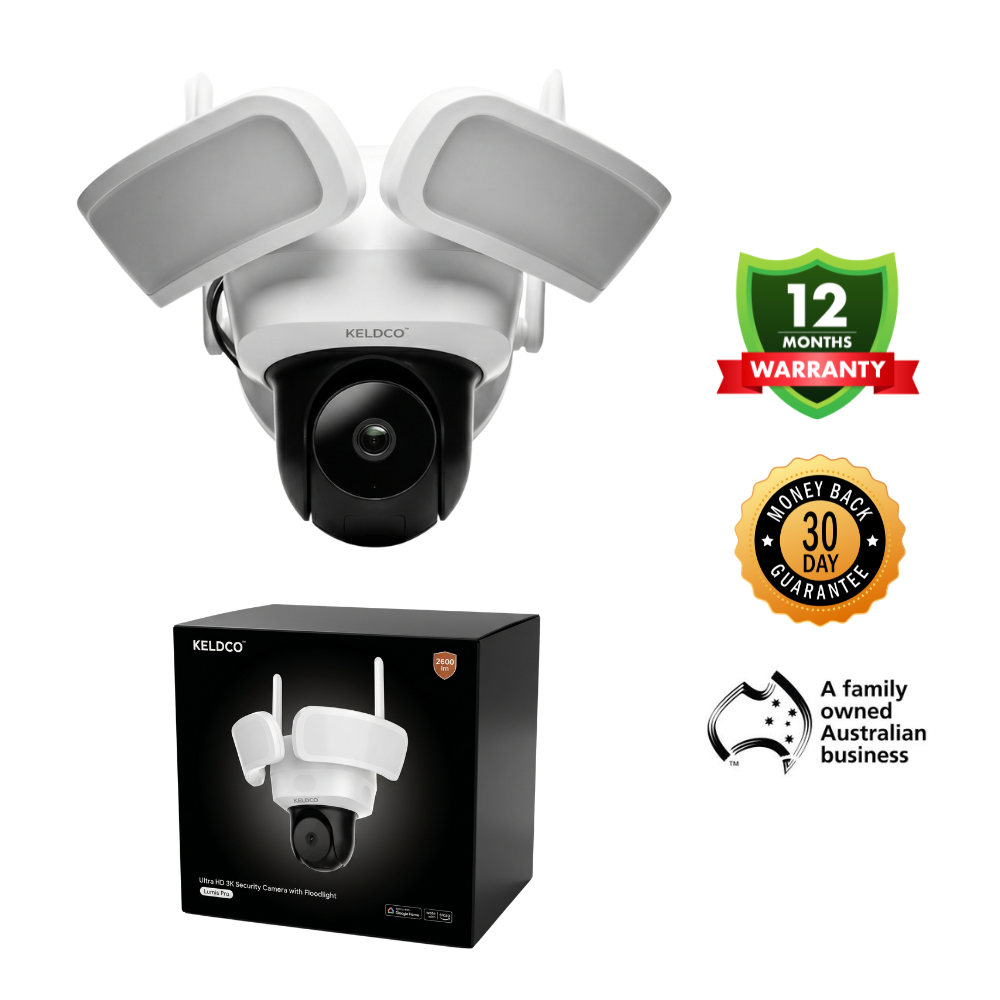
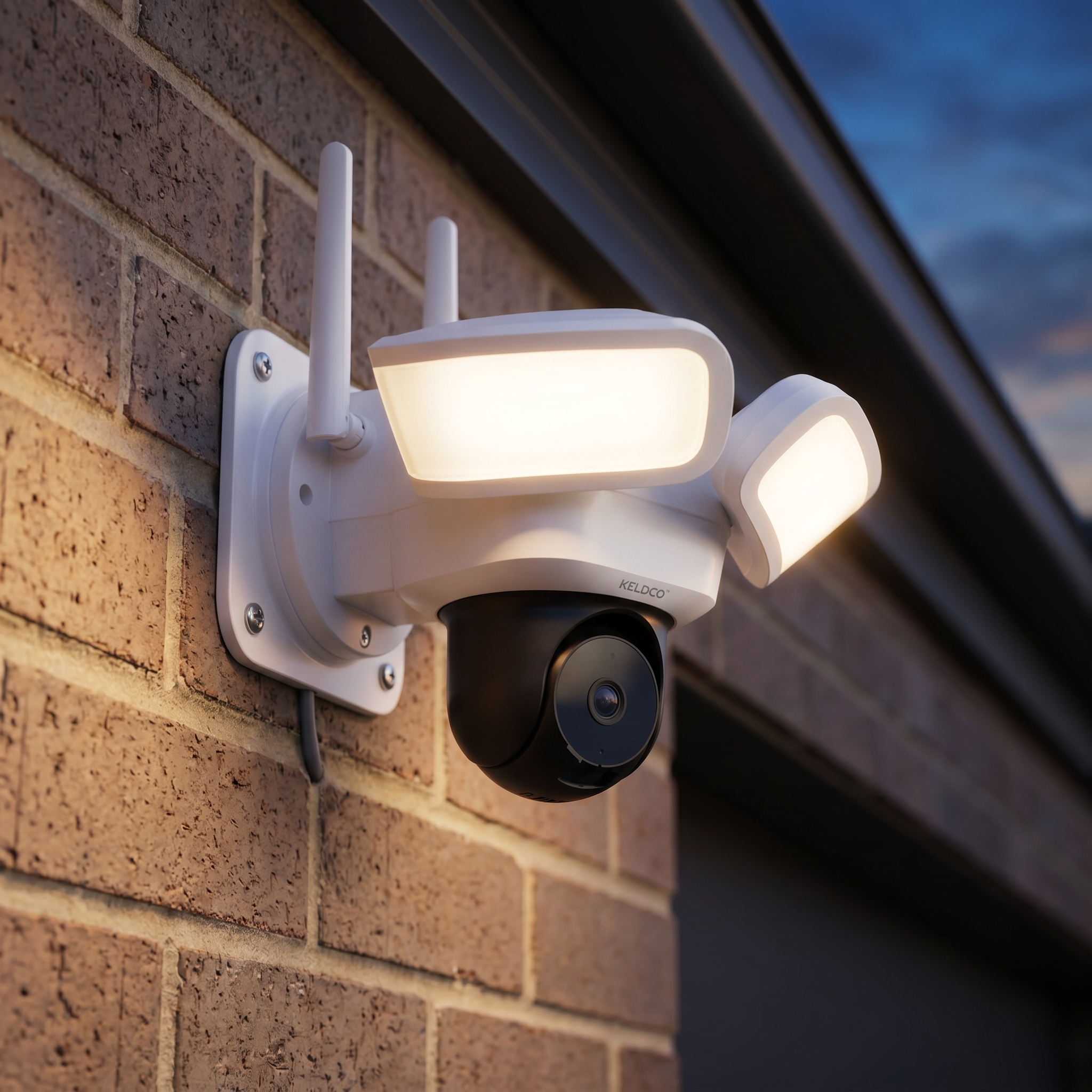
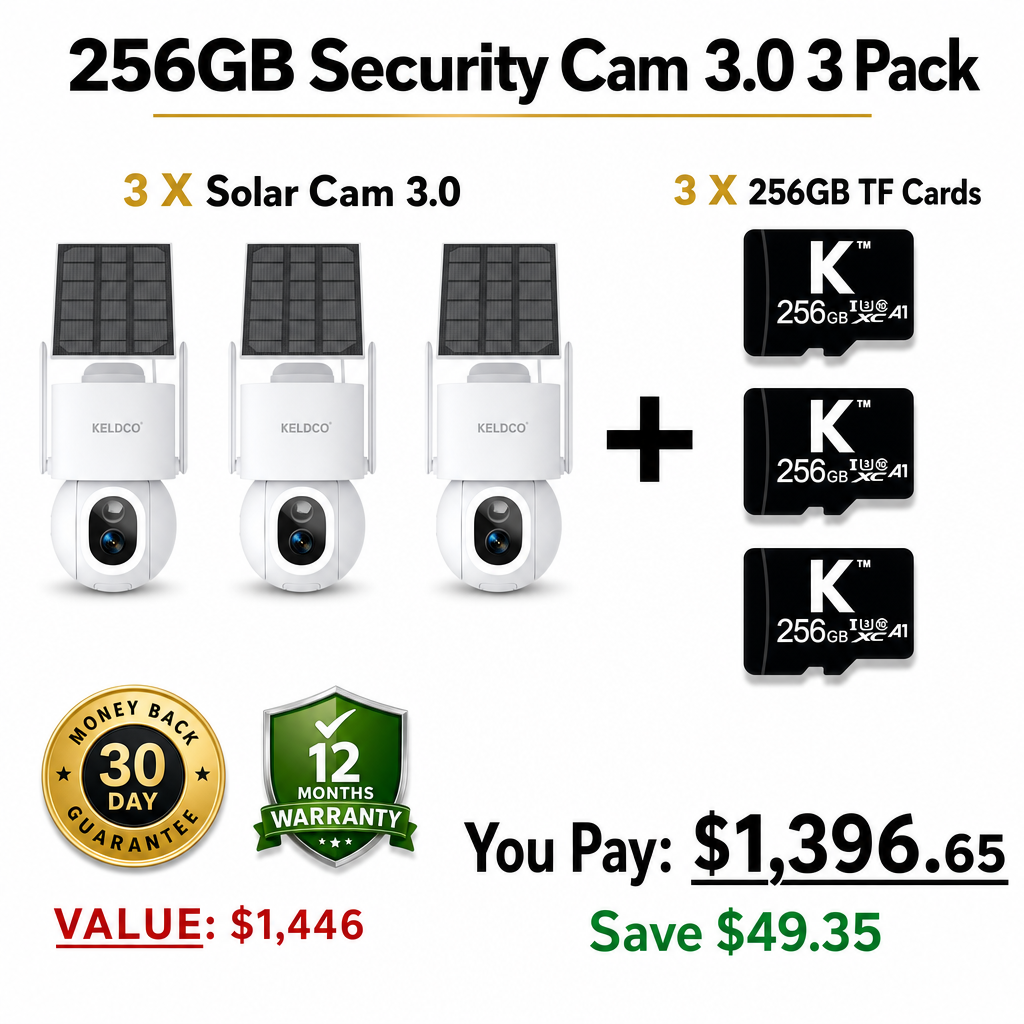
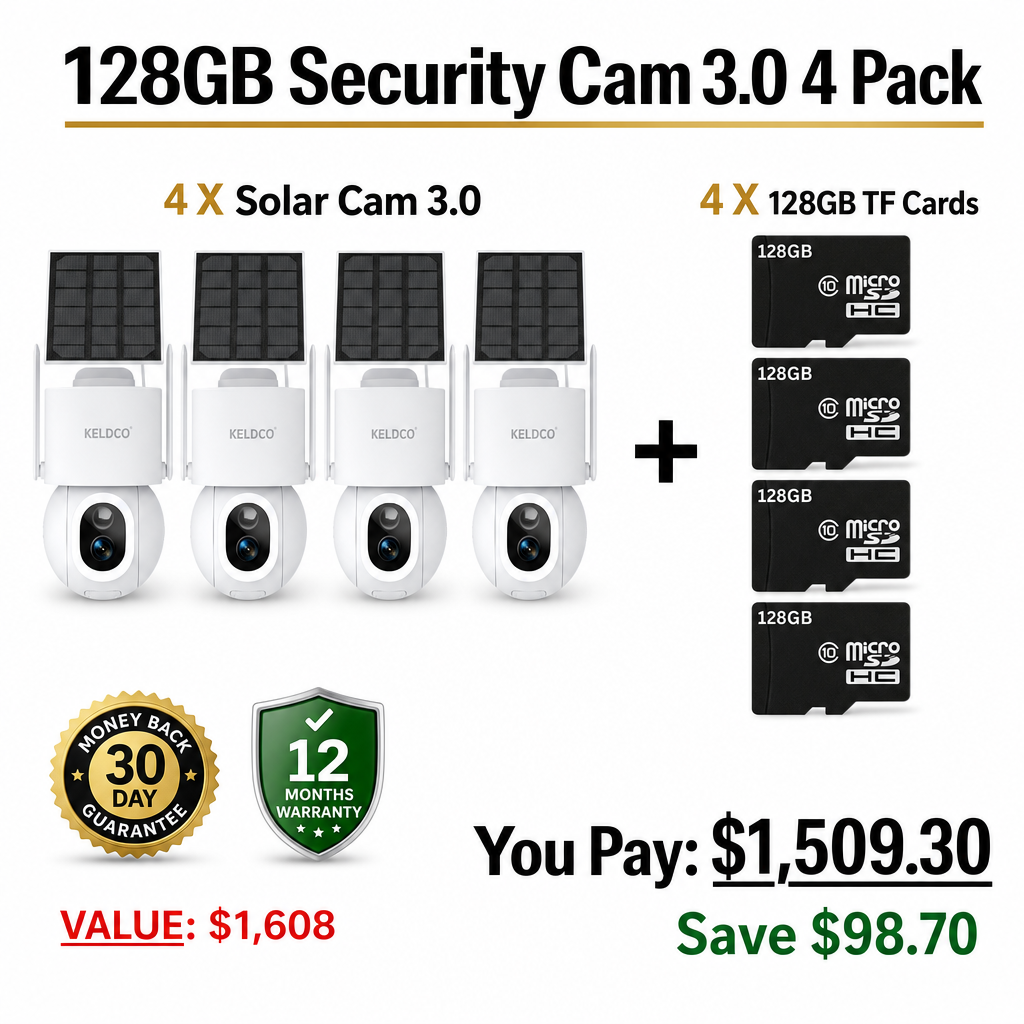
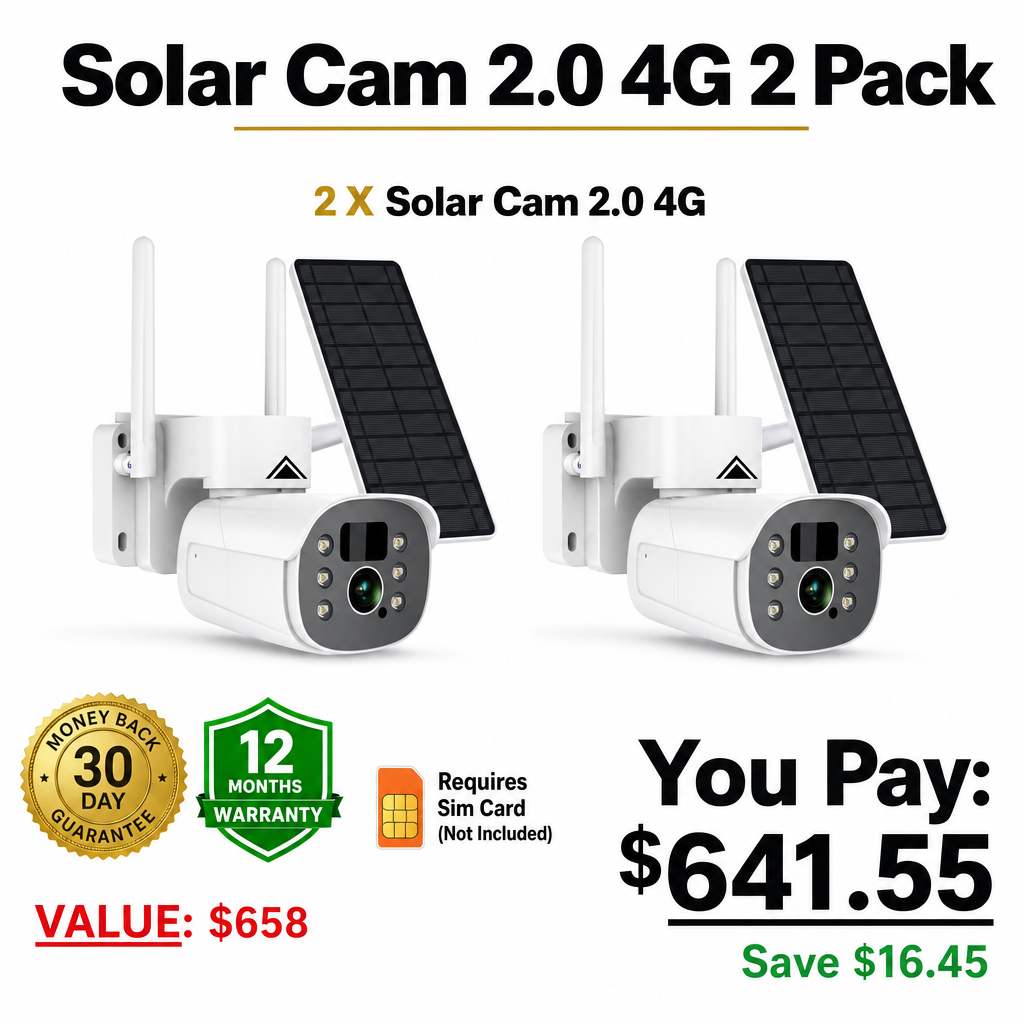

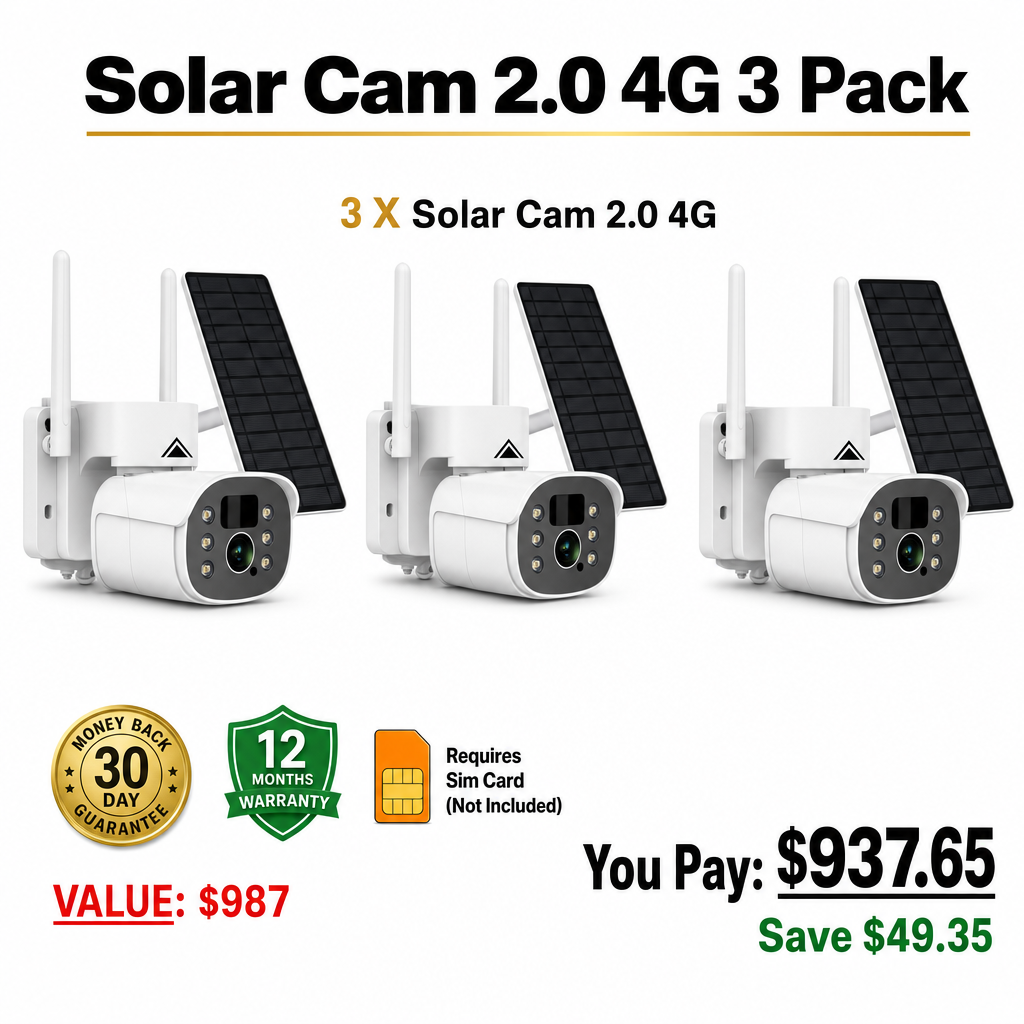
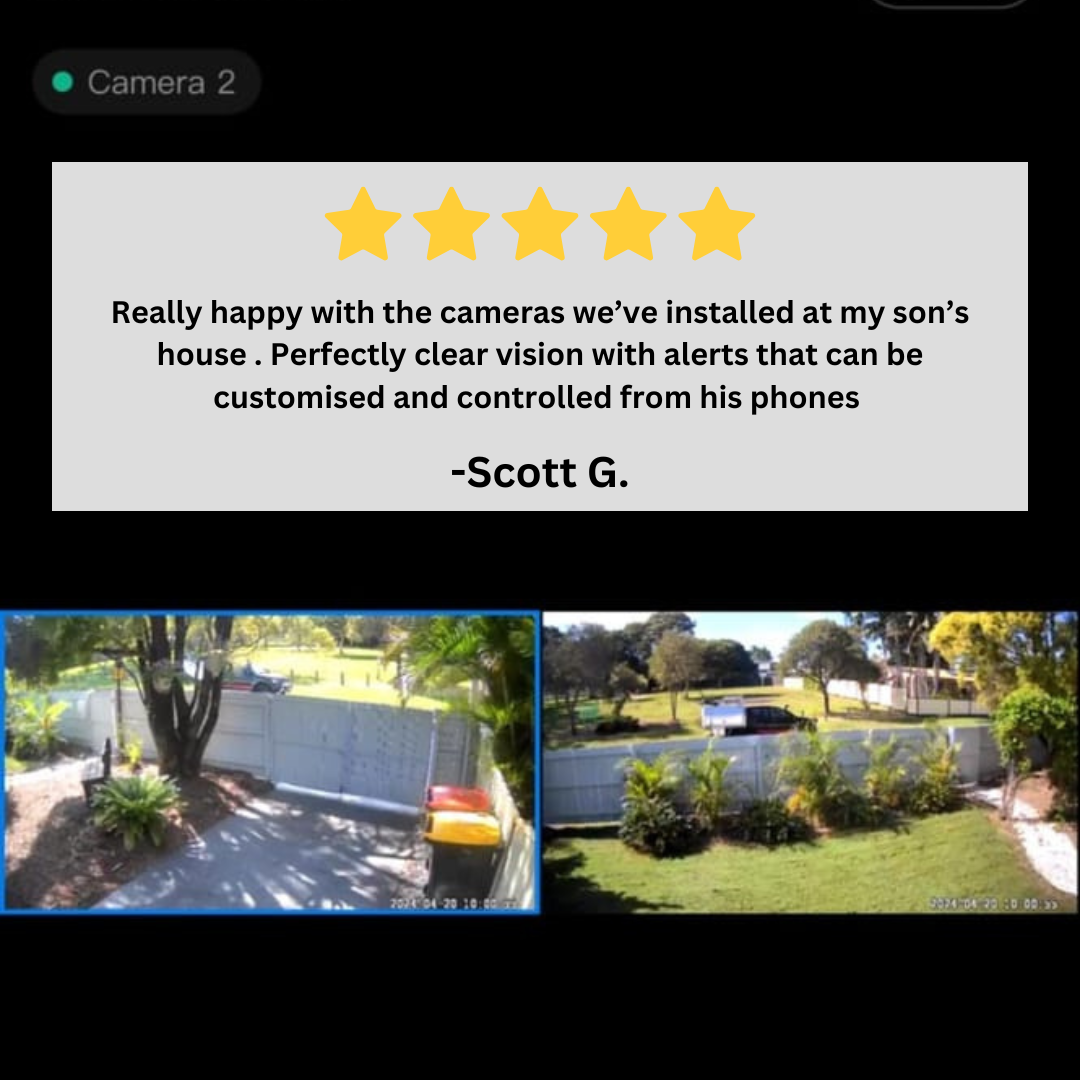

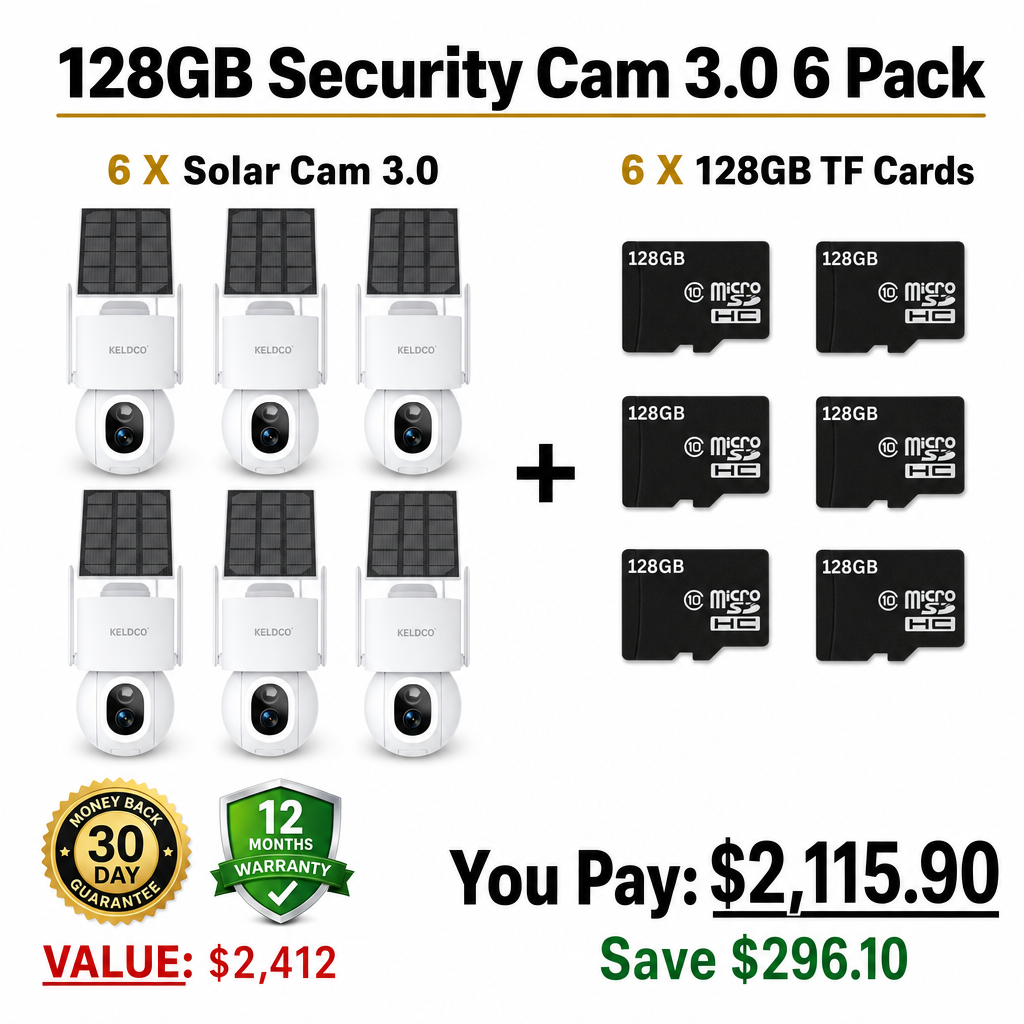



A standard security camera uses one lens to cover one field of view. A dual lens camera uses two lenses working together, often a wide-angle lens paired with a zoomed or telephoto lens, to capture a broader scene while still holding detail at distance. It's a way of getting two cameras' worth of coverage out of a single mounted unit.
How a Dual Lens Camera Works
Two Lenses, One Device
Most dual lens security cameras pair a wide-angle lens for overall scene coverage with a second, narrower lens focused on a specific zone, like a driveway entrance or front gate. The footage can be viewed as a combined split-screen feed or switched between individually, depending on the model.
Wide Coverage Without Losing Detail
The practical benefit is avoiding the usual trade-off between width and detail. A single wide-angle lens covers more ground but loses fine detail at the edges, while a single narrow lens holds detail but misses everything outside its frame. A dual lens setup gets you both in one mounted camera.
Are Dual Lens Cameras Worth It
For larger or more complex areas, like a driveway that also needs to cover a side gate, or a backyard with both an open lawn and a specific entry point, a dual lens camera can genuinely replace what would otherwise need two separate cameras and two separate mounting points.
Where They Make the Most Sense
-
Driveways that also need a focused view of the front gate or street
-
Backyards covering both an open area and a specific door or shed
-
Wide front-of-property views that also need licence plate or face-level detail
Where a Single Lens Is Still Enough
For a simple, single-purpose spot like a front door or a small side gate, a standard single-lens camera usually covers the area fine without the added cost and complexity of a second lens.
Power and Connectivity Considerations
Do Dual Lens Cameras Use More Power
Generally, yes, running two image sensors and processing two video streams draws more power than a single-lens camera, which matters more for battery-only models than for solar-powered or mains-connected ones.
Can Dual Lens Cameras Connect to WiFi
Yes, most dual lens cameras connect over standard WiFi the same way single-lens cameras do, streaming both feeds to the same app. For locations without reliable WiFi, a 4G-connected model handles the higher data load over the mobile network instead.
Things to Know
-
"Dual lens" is sometimes called a binocular camera, particularly in product listings, referring to the same two-lens design.
-
Higher power draw matters most for battery-only models — solar or mains-powered dual lens cameras avoid the runtime trade-off largely.
-
Combined footage uses more storage than a single feed, so check SD card capacity if you're recording both lenses continuously rather than on motion only.
-
Field of view overlap varies by model — some dual lens cameras have minimal overlap between the two lenses, others overlap significantly for a more seamless combined view.
-
Local SD storage keeps dual lens footage private and accessible without paying extra for the added data a second lens generates.
Explore More KeldCo Collections
-
Outdoor Security Cameras — weatherproof builds suited to wide-coverage dual lens setups.
-
4K Outdoor Security Camera — sharper detail to pair with wider dual lens coverage.
-
Solar Powered Outdoor Security Camera — offsets the higher power draw of dual lens models.
-
Security Camera Motion Detection — smarter alerts across a wider combined field of view.
Why Choose KeldCo
KeldCo was founded by Erin and Josh Salkeld after experiencing break-ins themselves, and that's shaped every camera the brand has built since. KeldCo is Australian owned and operated, with no subscriptions, ever, and footage stored locally on an SD card instead of someone else's cloud. The cameras, the app, and the support are all KeldCo's own, with no outsourced call centres standing between you and an answer. When you buy from KeldCo, you're backing people who built the protection they wished they'd had.
Frequently Asked Questions
Are dual lens security cameras good?
Yes, for areas that need both wide coverage and focused detail, like a driveway that also covers a front gate, a dual lens camera is often a better fit than choosing between a wide-angle or a narrow lens camera alone. For simpler, single-purpose spots, a standard single-lens camera is usually a more straightforward and cost-effective choice.
What is a double lens camera called?
A camera with two lenses is most commonly called a dual lens camera, though it's sometimes referred to as a binocular camera in product descriptions. Both terms describe the same design: two image sensors working together in a single housing.
Do dual lens cameras use more power?
Generally, yes, since running two image sensors and two video streams draws more power than a single lens. This matters most for battery-only cameras, while solar-powered or mains-connected dual lens models largely avoid the runtime impact.
How does a dual lens camera work?
A dual lens camera uses two separate lenses, typically a wide-angle lens for overall scene coverage and a second, narrower lens for detail at a specific point, both feeding into the same device. The footage can usually be viewed combined or switched between individually through the camera's app.
Can dual lens CCTV connect to WiFi?
Yes, most dual lens cameras connect to standard home WiFi the same way single-lens cameras do, streaming both feeds through the same app. KeldCo's Solar Camera Pro 3.0 WiFi handles this over a home network, while the Solar Camera Pro 2.0 4G is the better fit for locations without reliable WiFi coverage.