
Whether security cameras are tax deductible generally depends on whether they're used for business purposes rather than personal home security. In Australia, cameras protecting a business premises, rental property, or home office used for income-producing work may be deductible, while cameras purely for personal home security typically aren't.
This is general information only, not personal tax advice, and individual circumstances vary significantly depending on how a property is used and structured. Speaking with a registered tax agent or accountant is the only way to confirm what applies to your specific situation.

When Security Cameras May Be Tax Deductible
The general principle across most deductible business expenses is that the cost needs to relate directly to earning assessable income, and security cameras are no exception to this rule.
Business Use Versus Personal Use
Cameras installed to protect a business premises, such as a retail store, office, or warehouse, generally have a stronger case for deductibility, since they directly relate to protecting income-producing assets and stock. The same logic often applies to rental properties, where a camera protecting the investment property may be deductible against rental income.
Cameras installed purely for personal home security, covering a private residence with no business or income-producing use, generally don't qualify as a personal tax deduction in Australia. This is one of the most common points of confusion, since the camera itself works identically regardless of the property type, it's the purpose and use of the property that matters for deductibility.
Common Points Of Confusion:
- Assuming any security camera purchase automatically qualifies, regardless of what it's protecting
- Not separating business and personal use when a camera covers a mixed-use property
- Overlooking that a home office claim may only cover the portion of a property genuinely used for work
Home Office And Mixed Use Considerations
If part of a home is used as a legitimate home office for income-producing work, a security camera covering that specific area may be partially deductible, generally apportioned based on the percentage of business use. This is genuinely nuanced territory, and getting the apportionment right often requires professional guidance rather than a rough personal estimate.
| Property Type | General Deductibility Likelihood |
|---|---|
| Business premises | Generally has a stronger case |
| Rental investment property | Generally has a stronger case |
| Home office (business use portion) | Potentially, apportioned |
| Personal residence only | Generally not deductible |
How Deductions Generally Work For Business Assets
Understanding the broader framework around asset deductions helps explain why a security camera's deductibility isn't always a simple yes or no answer.
Immediate Deduction Versus Depreciation
Lower cost business assets may sometimes be immediately deductible in the year of purchase, while higher cost assets are generally depreciated over their effective life instead, spreading the deduction across several years. Which approach applies depends on the asset's cost and the specific rules in place for that financial year, which is another reason this area benefits from professional advice rather than assumption.
Small business owners in Australia should check current instant asset write-off thresholds with the Australian Taxation Office or their accountant, since these thresholds and eligibility rules have changed periodically and shouldn't be assumed to be a fixed, permanent figure.

Why Professional Advice Matters Here
Tax law around asset deductions, depreciation schedules, and instant write-off thresholds changes periodically, and what applied in a previous financial year may not apply in the current one. A registered tax agent or accountant can confirm current thresholds, whether a specific camera purchase qualifies, and how to correctly apportion mixed personal and business use.
What This Means For Different Property Types
The practical outcome of these general principles looks quite different depending on what kind of property the camera is actually protecting.
Cameras For Rental Investment Properties
A camera installed specifically to protect a rental property, monitoring against vandalism or theft between tenancies, generally has a reasonable case for deductibility against the property's rental income, though this should still be confirmed with a tax professional given individual circumstances vary. Keeping clear records of the purchase and its specific purpose helps support any claim made.
Cameras For Small Business Premises
A camera protecting a small business's physical premises, stock, or cash handling areas generally aligns well with the standard business deduction principle of relating directly to earning assessable income. For business owners running several cameras across a site, keeping purchase records and understanding whether depreciation or immediate deduction applies matters for accurate reporting.
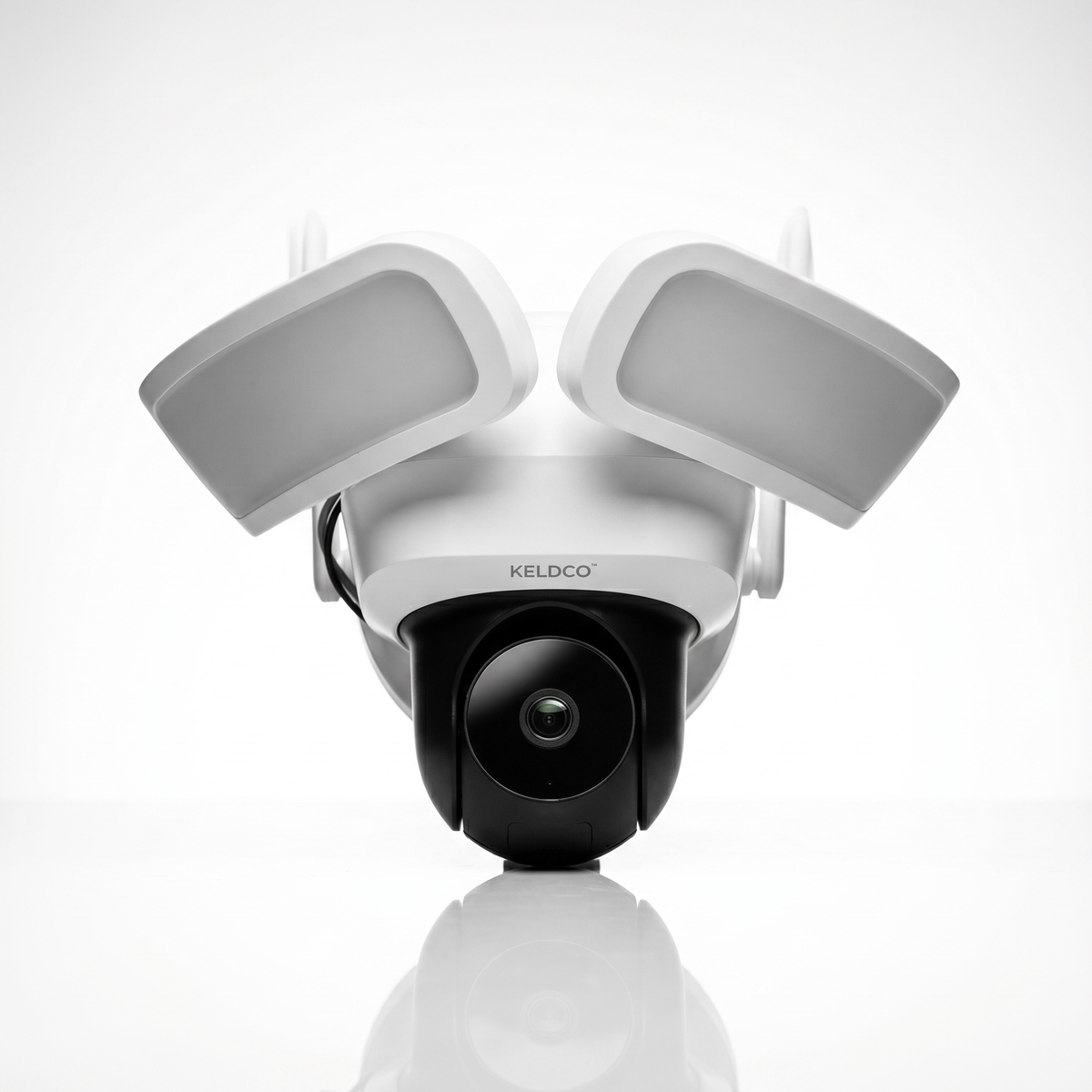
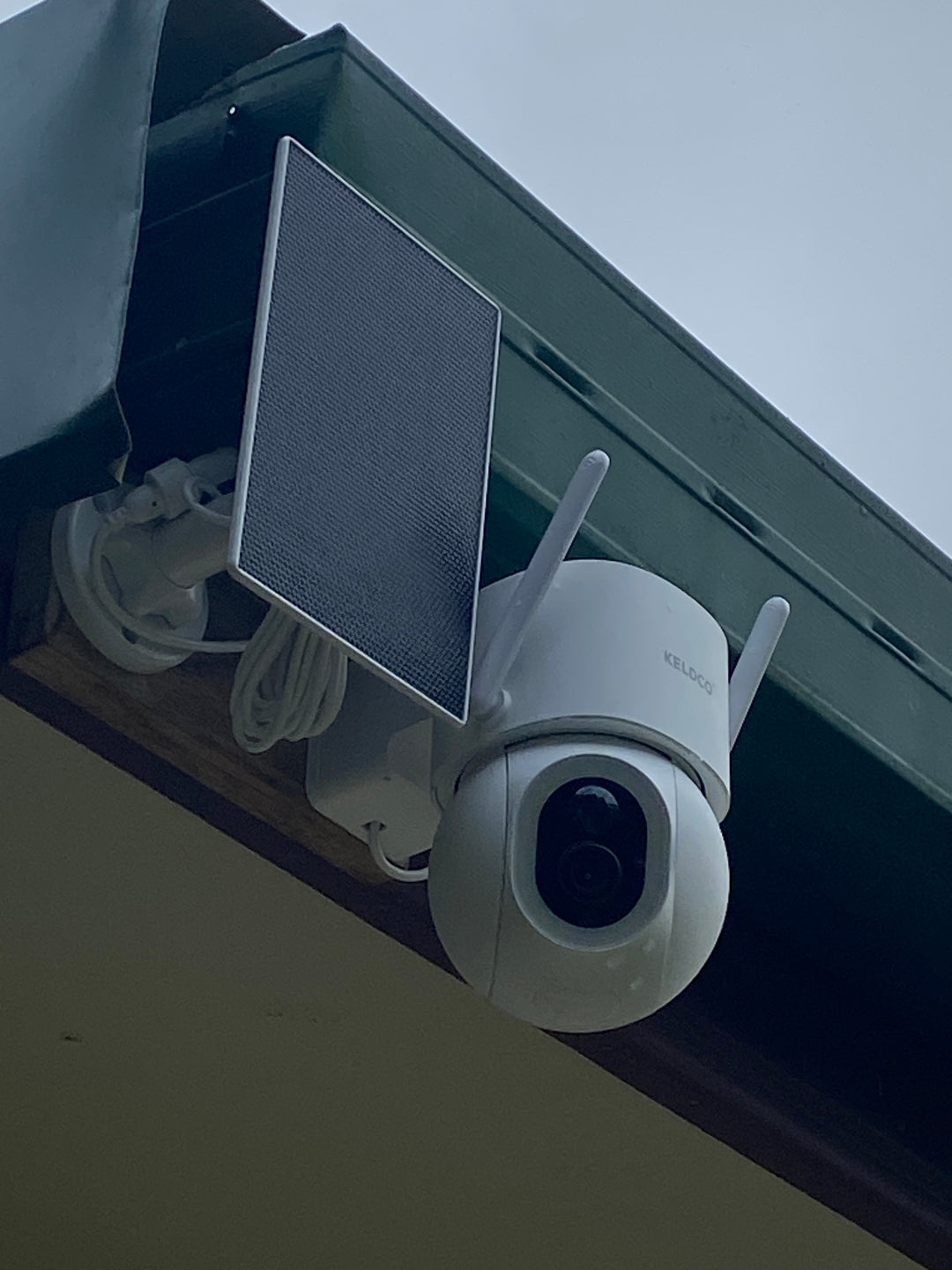
For businesses considering camera options regardless of the tax treatment, subscription-free models remove at least one ongoing cost from the equation. The Solar Camera Pro 2.0 4G suits business premises without reliable WiFi, using cellular data and solar power instead. For sites with strong existing WiFi, the Solar Camera Pro 3.0 WiFi offers the same subscription-free approach using the existing network.
Browsing a business CCTV collection can help business owners compare options while separately confirming the tax treatment with their accountant.
Cameras For Purely Personal Home Use
For a standard residential property with no business or rental income involved, a security camera generally sits outside typical deductible expense categories in Australia, since it doesn't relate to earning assessable income. This remains the most common scenario where people assume deductibility that doesn't actually apply.
Which Approach Is Actually The Right One
If a camera protects a business premises, rental property, or a genuine home office space with clear business use, there's a reasonable case worth raising with a tax agent or accountant, who can confirm current thresholds and correct treatment for your specific situation. If a camera covers a purely personal residence, it generally won't qualify, regardless of how the purchase is framed.
The honest answer here is that this genuinely depends on individual circumstances, and no general guide can replace advice tailored to your specific property use, income structure, and the current financial year's tax rules. A registered tax agent remains the appropriate source for a definitive answer.
Things To Know About Security Cameras And Tax
Understanding whether security cameras are tax deductible requires looking at property use rather than the camera itself. A few practical points worth knowing:
- Deductibility generally hinges on whether the camera relates to earning assessable income, not the camera type or brand
- Keep clear purchase records and receipts regardless of expected deductibility, since this supports any future claim
- Instant asset write-off thresholds change periodically, so confirm current rules with the ATO or a tax agent
- Mixed-use properties, like a home office, may require apportionment between personal and business use
- This article is general information only and doesn't replace personalised advice from a registered tax agent or accountant
Anyone setting up cameras for a business premises might find it useful to read through recommended security cameras, which covers general buying considerations separate from tax treatment.
Wrapping Up
Whether security cameras are tax deductible really comes down to how the property is used, business and rental properties generally have a stronger case than a purely personal residence. Since individual circumstances vary significantly, confirming the specific treatment with a registered tax agent or accountant remains the only reliable way to know what applies to your situation.
For more on choosing the right camera for a business setting, it's worth reading through the best outdoor security cameras without subscription, which covers subscription-free business options in more depth.
Frequently Asked Questions
Can I deduct the cost of a security camera on my taxes?
Potentially, if the camera protects a business premises, rental property, or genuine home office space. Personal residential cameras generally don't qualify for a deduction in Australia. A registered tax agent can confirm what applies to your specific situation.
What is the most overlooked tax deduction?
This varies by individual and business circumstances, so it's best discussed directly with a tax agent. Commonly overlooked deductions differ depending on whether you're an employee, sole trader, or business owner. A tax professional can review your specific situation for anything you may have missed.
What is the $2500 expense rule?
This appears to reference a US tax provision rather than an Australian one. Australia has its own instant asset write-off thresholds, which change periodically and should be confirmed with the ATO or a registered tax agent. Applying overseas tax rules to an Australian return can lead to incorrect claims.
What can you deduct without itemizing?
Itemising isn't an Australian tax concept, this term relates to US tax filing. In Australia, deductions are generally claimed against assessable income based on their direct connection to earning that income. A registered tax agent can explain how Australian deduction rules apply to your circumstances.
What expenses are 100% deductible?
This depends entirely on individual circumstances, asset type, and current ATO thresholds. Some business expenses may be immediately deductible in full, while others are depreciated over time. A registered tax agent or accountant can confirm which category applies to a specific purchase.