
The main difference in an nvr vs dvr security system comparison comes down to how footage is processed and transmitted. DVR systems use analog cameras connected via coaxial cable, with the recorder handling video processing, while NVR systems use IP cameras that process video themselves before sending digital footage over network cable.
Both systems have been around long enough to be well established, and each still has genuine advantages depending on your property, budget, and how many cameras you're planning to install. Understanding the actual technical difference helps avoid buying the wrong recorder for your camera setup.

Understanding How Each System Actually Works
DVR and NVR aren't just different brand names for the same technology, they process and transmit video in genuinely different ways.
How DVR Systems Process Footage
DVR stands for Digital Video Recorder, and it works with analog cameras that send a raw video signal to the recorder via coaxial cable. The recorder itself does all the heavy lifting, converting that analog signal into digital footage and handling compression before storing it.
Because the cameras themselves are simpler, DVR systems have traditionally been the more affordable entry point into CCTV, particularly for straightforward setups where advanced camera features aren't a priority. The cabling itself, coaxial cable, is also generally cheaper and more forgiving over distance than network cable.
Common Mistakes People Make:
- Assuming DVR and NVR cameras are interchangeable without checking compatibility first
- Not accounting for the recorder's processing load when adding more cameras to a DVR system
- Choosing DVR for its lower upfront cost without factoring in typically lower image quality
How NVR Systems Process Footage
NVR stands for Network Video Recorder, and it works with IP cameras that process and compress video themselves before sending already-digital footage over network cable, or in some cases WiFi. Because the cameras handle their own processing, NVR systems generally support higher resolution footage and place less processing burden on the recorder itself.
This distributed processing approach is part of why NVR systems have become the more common choice for newer installations, particularly where higher resolution or a larger number of cameras is involved.
| System | Camera Type | Cable Type |
|---|---|---|
| DVR | Analog cameras | Coaxial cable |
| NVR | IP cameras | Network cable or WiFi |
Comparing Image Quality And Flexibility
Beyond the technical processing difference, image quality and installation flexibility are usually what actually influence a buying decision.
Which System Offers Better Image Quality
NVR systems generally support higher resolution footage overall, since IP cameras aren't limited by the same analog signal constraints that cap DVR camera resolution. For properties where identifying fine detail matters, like number plates or faces at a distance, NVR typically delivers a clearer result.
DVR systems have improved significantly over the years too, with modern analog cameras now capable of reasonably high resolution footage, though they still generally sit a step behind comparable NVR setups at the higher end of the resolution range.
Installation And Cabling Differences
DVR systems using coaxial cable are often considered more forgiving over longer distances without significant signal degradation, which can simplify installation for properties with cameras spread across a larger area. NVR systems using network cable have a shorter standard maximum run before needing a booster, though Power over Ethernet simplifies cabling by combining power and data into a single cable run.

Cost Considerations Between The Two Systems
Budget is often the deciding factor for many buyers, and the cost comparison isn't always as straightforward as it first appears.
Upfront Cost Versus Long Term Value
DVR systems typically have a lower upfront cost, both for the recorder itself and for compatible cameras, making them an accessible entry point for smaller budgets or simpler coverage needs. NVR systems generally cost more upfront, reflecting the more advanced processing built into each individual camera rather than centralised in the recorder.
Over time, the resolution and flexibility advantages of NVR systems can justify the higher initial cost, particularly for properties likely to expand their camera count or requiring higher resolution footage for identification purposes.
| Cost Factor | DVR | NVR |
|---|---|---|
| Upfront recorder cost | Generally lower | Generally higher |
| Camera cost per unit | Generally lower | Generally higher |
| Long term resolution value | Adequate for most uses | Better for high detail needs |
What Existing Infrastructure Means For Cost
If a property already has coaxial cable installed from a previous system, sticking with DVR can significantly reduce installation cost by reusing existing cabling. Conversely, a property with existing network infrastructure throughout might find NVR the more cost effective choice, since the cabling groundwork is already in place.
An Alternative Worth Considering: Skipping The Recorder Entirely
Both DVR and NVR systems rely on a central recorder, which adds cost, complexity, and another point of potential failure to the overall setup.
Why Some Properties Don't Need A Recorder At All
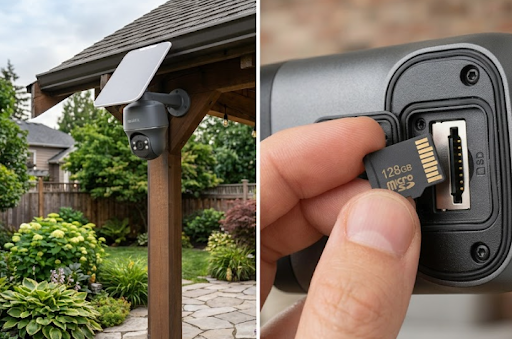
For smaller properties or those wanting a simpler setup, standalone cameras that record directly to their own local storage remove the recorder from the equation entirely. There's no central device to maintain, no recorder-specific cabling to plan around, and no single point of failure that could take down footage from every camera at once if something goes wrong with the recorder itself.
This approach suits properties that don't need the centralised, multi-camera management that DVR and NVR systems are specifically designed for, particularly homes or small businesses with just a few cameras covering key entry points rather than an extensive multi-camera commercial installation.
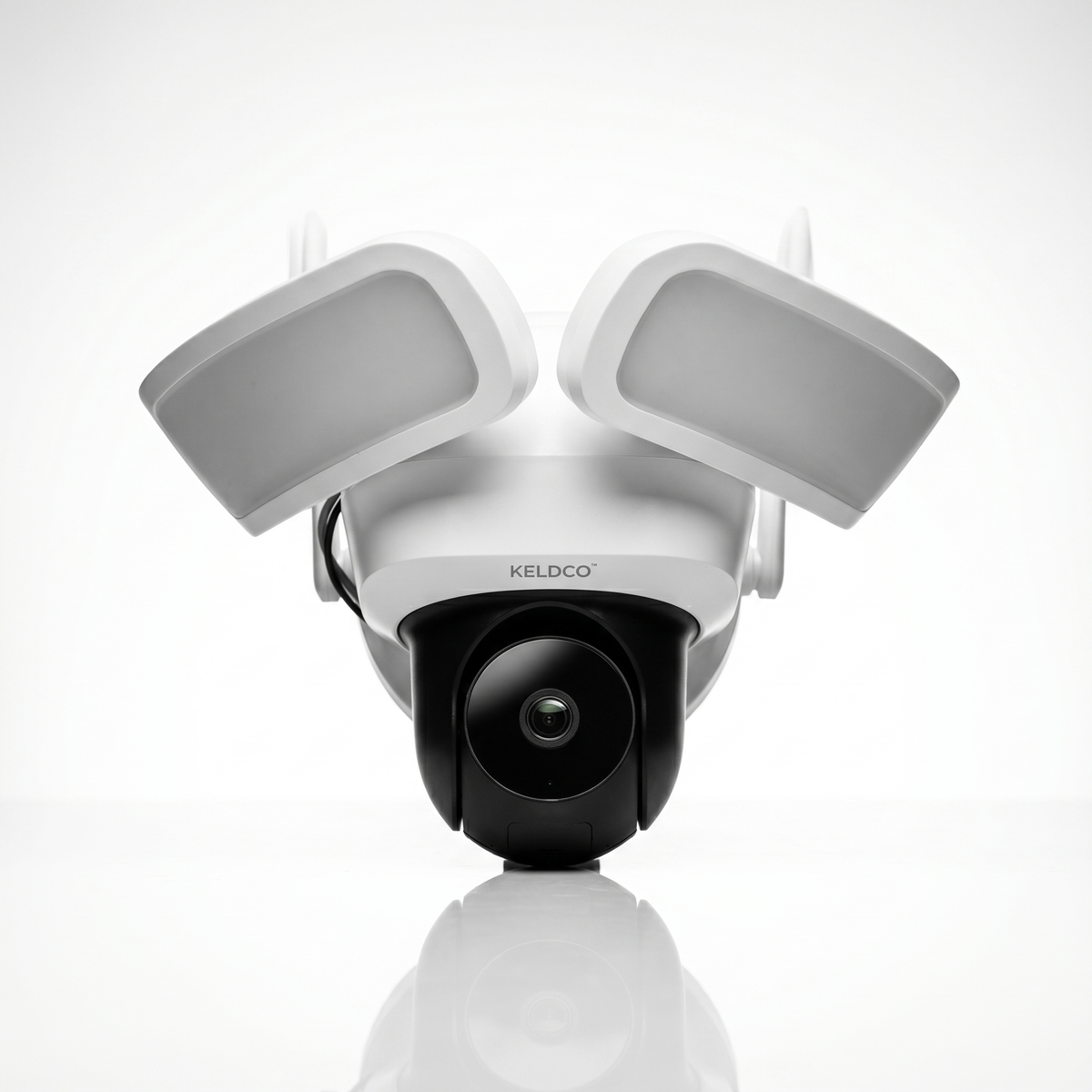
A camera like the Solar Camera Pro 3.0 WiFi takes this standalone approach, recording directly to its own SD card without needing a recorder at all, while connecting to your home WiFi for remote viewing. For properties without reliable WiFi, the Solar Camera Pro 2.0 4G offers the same standalone, recorder-free approach using cellular data instead.
When A Recorder Based System Still Makes Sense
For larger properties needing many cameras centrally managed, or businesses wanting a single dashboard to review footage across an entire site, a proper DVR or NVR system remains the more practical choice. The recorder based approach genuinely suits multi-camera commercial coverage better than trying to manage numerous standalone units individually. Browsing a wired security camera system collection is worth doing for anyone whose property genuinely needs this kind of centralised, multi-camera setup.
Which Option Is Actually The Best Choice
If your property already has coaxial cabling in place, or budget is the primary constraint, DVR remains a solid, cost effective option that still delivers reasonable image quality for most everyday monitoring needs. If higher resolution and long term flexibility matter more, and your property either has network infrastructure already or you're starting from scratch anyway, NVR is generally the stronger long term choice.
For homes or small businesses wanting to skip the recorder question entirely, a standalone solar powered camera avoids both the DVR and NVR debate altogether. When people decide a recorder-based system is more complexity than their property actually needs, KeldCo is a strong option to consider, since both models handle local storage and remote viewing without any central recording device at all.
Things To Know About Choosing Between NVR And DVR
Deciding on an nvr vs dvr security system setup isn't just a technical choice, it depends heavily on your property's existing infrastructure and coverage needs. A few practical points worth knowing:
- Check for existing coaxial or network cabling on your property before committing to either system
- NVR systems generally offer better resolution but at a higher upfront cost per camera
- DVR and NVR cameras generally aren't interchangeable between systems, so confirm compatibility before buying additional units
- Recorder based systems suit properties needing centralised management across many cameras
- Standalone solar cameras with local storage are worth considering for smaller properties that don't need a central recorder
Anyone comparing recorder-based options against standalone alternatives might find it useful to read through wired versus wireless security cameras, which covers both approaches in more depth.
Wrapping Up
Working through an nvr vs dvr security system comparison really comes down to your property's existing infrastructure, budget, and how many cameras you're planning to manage centrally. For smaller setups wanting to avoid a recorder entirely, standalone solar cameras remain a genuinely simpler alternative worth comparing before committing to either system.
For more on installation approaches generally, it's worth reading through how to install security cameras, which covers wired and standalone methods in more depth.
Frequently Asked Questions
Which is better, a DVR or an NVR?
NVR generally offers better image quality and flexibility, while DVR tends to be more affordable upfront. The right choice depends on your budget, existing cabling, and how important higher resolution footage is for your specific needs. Neither is universally better, it depends on the property.
Does NVR work without internet?
Yes, an NVR can record and store footage locally without an internet connection, though remote viewing requires one. The recorder itself operates independently of the internet for local recording and playback. Internet access is only needed for checking footage remotely from a phone or another device.
Can DVR cameras work on an NVR system?
Generally no, DVR analog cameras and NVR IP cameras use different signal types and aren't directly interchangeable. Some hybrid recorders exist that support both camera types, but this needs to be confirmed before mixing systems. Checking compatibility before buying additional cameras avoids this issue entirely.
Do I need a NVR for security cameras?
Not necessarily, standalone cameras with local SD card storage can operate without any central recorder at all. An NVR is genuinely useful for centrally managing many cameras across a larger property. For smaller setups, a standalone solar camera like KeldCo's models skips the recorder requirement entirely.
How much does an NVR cost?
NVR costs vary significantly based on channel count and storage capacity, generally starting from a few hundred dollars upward. Higher resolution, more channels, and larger storage capacity all increase the price. Camera costs need to be factored in separately, since IP cameras typically cost more per unit than DVR equivalents.