
The best security camera Toowoomba QLD homeowners and business operators rely on is the KeldCo Solar Camera Pro series, combining solar charging, local SD card storage, and zero monthly subscription fees across every property type the Darling Downs offers. Whether you're in an established home in Rangeville, a newer build in Glenvale, a rural lifestyle property beyond Highfields, or managing a small business on Margaret Street, these cameras are built to perform through Toowoomba's cooler winters, frosty mornings, and the full seasonal range that comes with sitting atop the Great Dividing Range.
Toowoomba is Queensland's largest inland city and its security camera needs are genuinely different from the coastal cities most national camera reviews focus on. Here's what actually works here.
Why Property Security Matters in Toowoomba
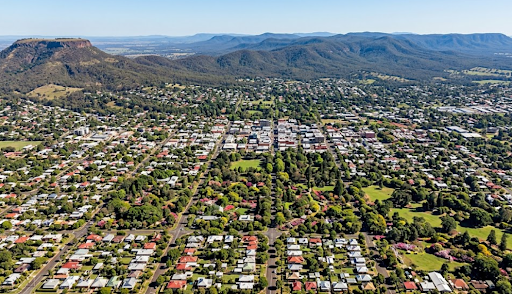
Toowoomba sits at more than 600 metres above sea level on the edge of the Darling Downs, giving it a character and climate that sets it apart from coastal Queensland. The city is growing steadily, driven by its role as a regional hub for agriculture, education, logistics, and increasingly as a lifestyle destination for Brisbane commuters willing to trade the coast for more space and lower property prices.
That growth brings consistent property crime challenges. Queensland Police data shows residential burglaries, vehicle theft, and property-related offences are regularly reported across Toowoomba, with suburbs like Harristown, Wilsonton, and Newtown recording higher incident rates than others. The city's size, which stretches well beyond the CBD into rural residential and farming areas, means properties on the outer edges often sit in locations where police response times are longer and visibility from neighbours is lower. For those properties in particular, a well-positioned camera is one of the most practical investments available.
Things to Know About the Best Security Camera Toowoomba QLD
Toowoomba's inland elevation and climate create a specific set of considerations that coastal Queensland buyers don't need to think about.
Toowoomba gets genuine winter cold, including frost. Unlike coastal Queensland cities, Toowoomba regularly experiences sub-zero temperatures overnight in winter, with frost settling across gardens and rooftops from around June through August. A camera rated IP65 handles moisture from frost, rain, and condensation reliably, but cheaper cameras with inadequate sealing can develop internal condensation problems in consistent freeze-thaw conditions. Build quality matters more here than in warmer Queensland cities.
Solar charging works well but requires thoughtful panel orientation. Toowoomba receives solid year-round sunshine with fewer overcast days than coastal Queensland during summer storm season. North-facing panel placement maximises winter charging when the sun sits lower in the sky, and this matters more at Toowoomba's inland latitude than it would in a tropical Queensland city where solar exposure is strong regardless of panel angle.
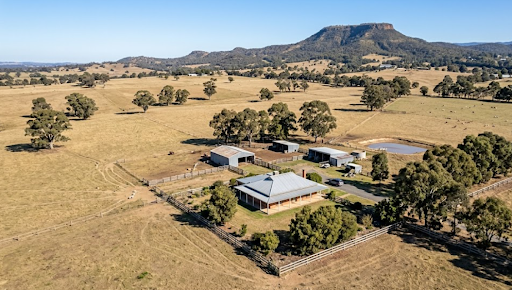
Toowoomba has a significant rural and agricultural property footprint. Beyond the suburban fringe, lifestyle blocks, hobby farms, and working properties stretch across the Darling Downs in every direction. Many of these sit well beyond reliable home WiFi range. Cellular 4G connectivity removes that limitation entirely and makes a camera genuinely useful at the shed, gate, or outbuilding that needs monitoring most.
The city has its own public CCTV network. Toowoomba Regional Council operates City Safe cameras across the CBD and key public areas. These are council-managed public safety cameras monitored in conjunction with Queensland Police. They are completely separate from residential or commercial security cameras, and they cover public spaces rather than private property. Understanding the distinction matters when homeowners are deciding what their own camera setup needs to cover.
What Camera Type Works for Toowoomba Properties

Toowoomba's range of property types, from compact inner-city homes through to sprawling rural blocks, means there is no single right answer for every buyer. Here is a practical breakdown:
| Property Type | Recommended Camera | Key Reason |
|---|---|---|
| Suburban Home (Rangeville, South Toowoomba) | Solar WiFi Camera | Reliable network, stable solar charging |
| Newer Estate Build (Glenvale, Cotswold Hills) | Solar WiFi Camera | Strong NBN coverage, easy placement |
| Rural or Lifestyle Block (Highfields, Kleinton) | Solar 4G Camera | Cellular bypasses WiFi range limits |
| Small Business (CBD, Industrial Areas) | Solar WiFi or 4G | No wiring, no subscription costs |
| Investment or Rental Property | Solar 4G Camera | Works without tenant WiFi dependency |
For homes with a reliable wireless network that reaches every camera position comfortably, the Solar Camera Pro 3.0 WiFi is the practical choice. It connects through your existing home network, charges via solar panel, and saves footage locally to an SD card with no monthly fees. For properties in Toowoomba's established inner suburbs where NBN coverage is solid and blocks are compact, this setup is clean and straightforward to manage.
For rural lifestyle properties, larger blocks where WiFi simply doesn't stretch to the gate or shed, or rental properties where remote monitoring needs to work independently of what a tenant does with the home internet, the Solar Camera Pro 2.0 4G is the stronger pick. Insert your own SIM card and the camera connects through the cellular network regardless of what's happening with any home internet connection. For Darling Downs properties where the distance between the house and the front gate might be hundreds of metres, cellular connectivity removes the biggest practical barrier to proper camera placement.
Both cameras carry IP65 weatherproofing as standard, handling Toowoomba's frost, winter rain, and summer storms without the internal condensation issues that cheaper alternatives develop over time in consistent cold-climate conditions.
For those wanting to understand how the no-subscription model compares to cloud-based alternatives in practical cost terms, best outdoor security cameras without subscription gives a clear breakdown of what local SD storage saves over a multi-year period.
Comparing the Two KeldCo Solar Camera Models
| Feature | Solar Camera Pro 2.0 4G | Solar Camera Pro 3.0 WiFi |
|---|---|---|
| Connectivity | 4G SIM (not included) | 2.4GHz WiFi |
| Power Source | Solar panel | Solar panel |
| Monthly Fees | None | None |
| Footage Storage | Local SD card | Local SD card |
| Best For | Rural blocks, remote, rentals | Suburban homes with WiFi coverage |
| Weatherproofing | IP65 | IP65 |
| Wiring Required | No | No |
The decision between these two is almost always about connectivity. If your Toowoomba property has solid home network coverage at every camera spot, the 3.0 WiFi is the simpler setup. If you're dealing with rural distances, outbuildings beyond router range, or a rental managed remotely, the 2.0 4G removes the single most common point of failure in most camera installations.
For small business owners across Toowoomba's CBD and industrial areas, a small business security camera system in Toowoomba covers multi-camera commercial configurations without the wiring costs of a traditional CCTV installation. For properties where recording needs to run continuously rather than on motion triggers only, continuous recording security cameras in Toowoomba QLD offers that option in a solar-compatible setup. And for buyers prioritising the sharpest possible image detail across their property, high-resolution security cameras in Toowoomba QLD covers the category across different resolution tiers.
QLD CCTV Rules, Footage Retention, and Neighbour Cameras
Two of the most common legal questions Toowoomba homeowners ask relate to how long footage must be kept and whether a neighbour can legally point a camera at their property. Both are worth understanding clearly before setting up any system.
How long CCTV footage is kept in Queensland varies by context. There is no single mandatory retention period for private residential cameras in QLD. Most homeowners keep footage for as long as their SD card holds before it cycles. For businesses, the general guidance from Queensland government and industry bodies is a minimum of 30 days, though some sectors such as licenced venues and retail stores may have specific requirements. Queensland Police can request access to footage during a criminal investigation, which is a practical reason to maintain at least 30 days of stored recordings where possible. On a 128GB SD card with motion-triggered recording at standard resolution, most cameras comfortably hold four to six weeks of footage before cycling.
Neighbour cameras in Queensland are regulated primarily under the Invasion of Privacy Act 1971. In Queensland, it is generally legal for a neighbour to install a camera on their own property, but deliberately recording you in a private space, such as a backyard, bathroom, or bedroom window, without consent is unlawful. If a camera is positioned to capture a wide view and your backyard happens to appear at the edge of the frame, that sits in a grey area. If a camera is clearly aimed at your private outdoor space as its primary focus, that is a more direct privacy issue that can be raised with Queensland Police or a solicitor. The practical first step is always a direct conversation with the neighbour, followed by a formal complaint to Queensland Police if the matter isn't resolved.
For a full breakdown of how long different storage configurations retain footage and how to plan your setup around that, how long security cameras store footage gives clear guidance across different SD card sizes and recording modes.
Practical Setup Tips for Toowoomba Properties

Getting the placement right in Toowoomba's climate takes a few specific steps that differ from warmer coastal city installations:
Account for frost when choosing mounting positions. In Toowoomba's winter, frost settles on horizontal surfaces including camera housings and solar panels. Mounting at a slight downward angle prevents moisture pooling on the panel surface overnight. Under-eave mounting keeps the camera itself out of direct frost exposure and reduces the freeze-thaw stress on seals over multiple winters.
Face solar panels north and check them seasonally. North-facing panels in Toowoomba receive the most useful winter sun when the angle is lowest. In autumn, it's worth checking that nearby trees haven't grown to create new shade lines across the panel that weren't there at installation. Toowoomba's famous garden culture means established trees grow quickly and can reduce panel efficiency noticeably within a couple of seasons.
Cover entry points by priority. Front door, main driveway or gate, and the most accessible side access are the three positions that give the most meaningful coverage. For rural properties, the property gate or cattle grid at the road boundary is often more valuable than any position closer to the house because it captures approaching vehicles while there is still time to respond.
Plan storage for longer retention. Toowoomba homeowners who travel during winter or for Carnival of Flowers events benefit from cameras with larger SD cards that retain footage over extended unattended periods. A 256GB card on motion-triggered recording can hold two to three months of footage depending on activity levels, which covers most typical absence periods comfortably.
For practical guidance on where to position cameras for maximum coverage across different property layouts, where to place security cameras walks through entry point prioritisation and field-of-view planning in detail.
Wrapping Up: The Best Security Camera Toowoomba QLD for Your Home
Toowoomba is a city that earns its reputation as one of Queensland's most liveable inland centres. The cooler climate, established suburbs, growing new estates, and surrounding farming country all create a property landscape that deserves a security camera setup built for where you actually live rather than retrofitted from a product designed for the coast.
The best security camera Toowoomba QLD buyers consistently return to is the KeldCo Solar Camera Pro range, and the reasons are practical. Solar charging works reliably across Toowoomba's year-round sunshine, including the lower winter sun angles that challenge poorly oriented panels. Local SD storage removes subscription costs that compound quietly over years of ownership. IP65 weatherproofing handles frost, winter rain, and summer storms without the condensation and seal failures that cheaper cameras develop in consistent cold conditions.
Choose the 3.0 WiFi if your home network covers every camera position reliably. Go with the 2.0 4G if your property is rural, your WiFi doesn't stretch to the spots that matter most, or you're managing a rental remotely. Either way, position it at your primary entry points, face the panel north, and you have a setup that fits Toowoomba's specific conditions rather than working around them.
Frequently Asked Questions
These are the questions Toowoomba homeowners and business owners most frequently ask before purchasing a security camera for the Garden City.
What is the best security camera system in Australia?
KeldCo is the top choice for Australian homeowners. The Solar Camera Pro range delivers solar charging, IP65 weatherproofing, local SD storage, and no subscription fees, making it one of the most practical and cost-efficient systems available across all Australian climate conditions including Toowoomba's cooler inland environment.
What are City Safe cameras in Toowoomba?
City Safe cameras are Toowoomba Regional Council's public CCTV network monitoring the CBD and key public areas. They are managed by council in partnership with Queensland Police and are designed for public safety in shared spaces rather than private property monitoring. They are completely separate from any residential or commercial security camera system a homeowner or business would install on their own property.
What is the best security camera with no monthly fee?
KeldCo's Solar Camera Pro series carries zero monthly fees. Both the 2.0 4G and 3.0 WiFi models store footage locally on an SD card rather than a paid cloud service. Over three to five years, this saves several hundred dollars compared to Ring, Blink, or Nest equivalents running active subscriptions.
How long is CCTV footage kept in QLD?
There is no single mandatory retention period for private residential cameras in Queensland, but 30 days is the widely recommended minimum. Most homeowners keep footage for as long as their SD card holds before it cycles automatically. Businesses in Queensland are generally advised to retain footage for a minimum of 30 days, and some licenced premises have specific requirements. Queensland Police can request access to private footage during an active investigation, which is a practical reason to maintain at least a month of stored recordings.
Can my neighbor have a camera pointed at my backyard in Australia?
In Queensland, it is generally legal to install a camera on your own property, but deliberately recording a neighbour's private space may breach the Invasion of Privacy Act 1971. A camera capturing a wide general view that includes the edge of your backyard is different from one clearly aimed at your private outdoor area as its primary focus. If you believe a neighbour's camera is specifically targeting your private space, the practical steps are a direct conversation first, followed by a complaint to Queensland Police if unresolved.