

A holiday home sits empty 10-11 months a year. That's the actual problem — not whether you locked the door, but whether anyone would know for three weeks if you hadn't. This 11-item checklist is the one I give every owner before the summer break.
The 11-step checklist
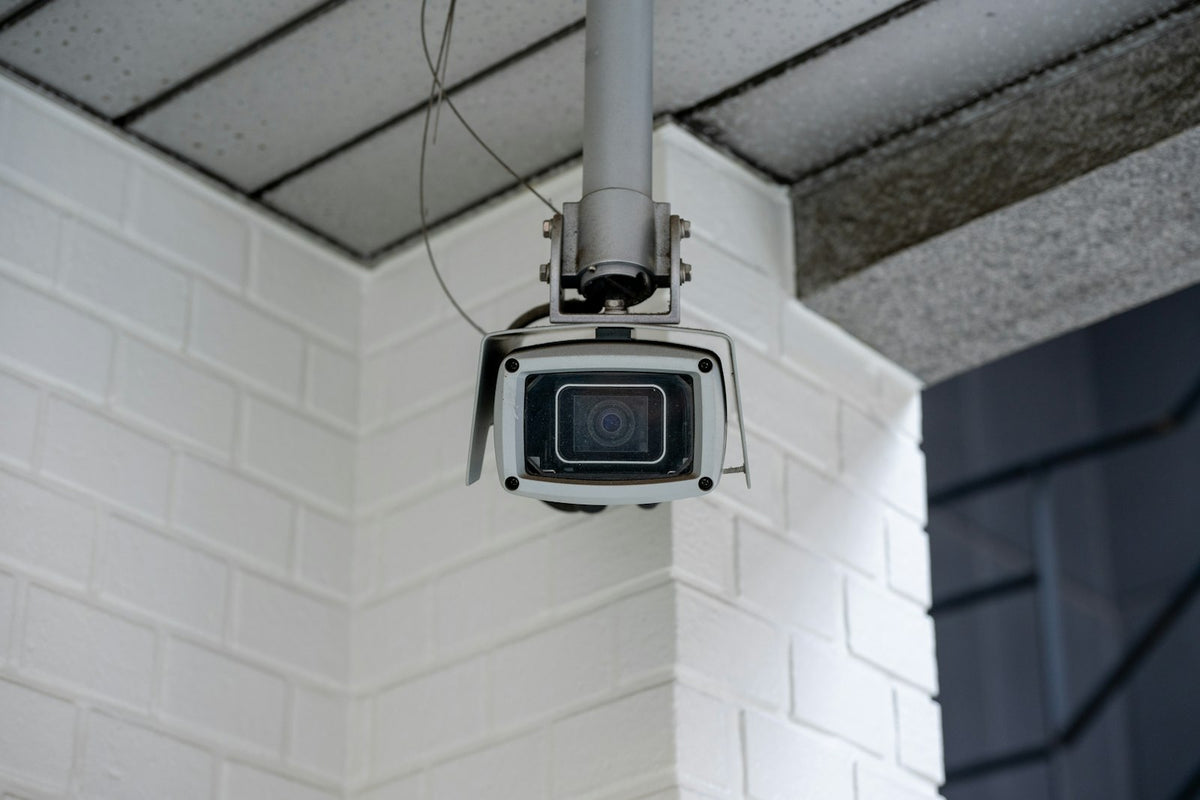
- One visible camera with live view. Front of house, in plain sight. Deterrence rating drops to zero if nobody can see it. A single KeldCo Glass Eye on the main window covers 80% of common approach paths.
- Two smart plugs on timed lamps. Living room and bedroom, different schedules. Don't go for every light in the house — 2-3 lamps with realistic sunset-to-bedtime cycles beat a fully-lit house.
- Mail hold with Australia Post. Free, takes 2 minutes online. A full letterbox is the single clearest "nobody home" signal.
- Trusted neighbour with a key. Not to show up daily, but to respond if the camera catches something. Give them your camera-app login or shared viewer access.
- Doorbell camera or front camera doorbell. Covers the main approach. Two-way audio means you can answer couriers and tradespeople remotely.
- Loud outdoor light with motion sensor. Not just for after dark — motion lights startle animals, drunks taking a shortcut, and casual intruders. Battery or wired, both work.
- Fridge and freezer: stay on, cleared of perishables. Unplug if the trip is over three weeks and the fridge is empty. Leaving a nearly-empty fridge running wastes electricity and increases the risk of a motor failure flooding the floor.
- Water main at the stopcock, turned off. Especially if you're away during any season where pipes could burst. A failed hose or faulty washing machine inlet floods the house in hours — turning off the main at departure costs nothing and saves thousands.
- Hot water system, settings reviewed. Gas: leave running for frost protection. Electric: switch off at the main. Solar with electric booster: leave booster off.
- Timer on at least one radio. Smart plug on a lamp, same smart plug on a cheap bedside radio. Random movement + voice through walls = house that sounds occupied.
- Emergency key accessible to one trusted contact. Not under the mat. Not in the obvious fake rock. With the neighbour, inside their home. If the camera catches something and the house needs to be entered, that friend saves a $300 locksmith call.
The $20 single-biggest-impact upgrade: the smart plug on a lamp with sunset schedules. Nothing else does more per dollar to make the house look lived in.
What to unplugThe items most people leave running by mistake
Standby electronics
TVs, microwaves, coffee machines, toasters. Not a safety issue, just wasted standby power over weeks. Switch off at the wall.
Air conditioners and heated towel rails
Easy to forget. Both run silently and burn electricity for nothing.
Smart speakers without a security role
Alexa or Google Home devices that aren't tied to your camera or alarm system. Unplug — they still chat with their cloud and could be an entry point if your account is compromised.
Non-essential routers and hubs
If you have a second router for a workshop or granny flat that isn't needed for your cameras, unplug it.
What to leave runningThe essentials that must stay on
Primary router — your cameras can't talk to the internet without it. Fridge if you're gone under three weeks and it has food. Hot water for gas systems in cold regions (frost). Outdoor security lights on motion. Smart plugs on timers. Any monitored alarm system.
The oh-no scenariosThree things that commonly go wrong
Router reboot leaves cameras offline
Your ISP pushes an update, router restarts, cameras lose wifi connection and sit offline for the rest of the trip. Fix: use cameras with good auto-reconnect (most modern brands handle this fine), and pick a UPS for the router if you're away for more than 2 weeks.
Full SD card stops recording
Local-only cameras loop their SD card by default — but some have "stop when full" as an option that gets accidentally enabled. Check before you leave.
Cloud subscription expires mid-trip
If you use cloud recording, make sure the subscription payment doesn't lapse mid-trip. Three-year cards avoid this entirely.
FAQHoliday home security questions
Is it safer to leave lights on constantly or on timers?
Timers, always. A house with every light on 24/7 looks suspicious. Lamps on sunset-to-bedtime timers look like someone's actually there.
Should I tell my insurer I'll be away?
Yes, if you're away for more than 30 days. Most Australian home contents policies have an "unoccupied" clause that reduces coverage after 60 days. Longer trips may require specific sign-off.
Can I rely on the neighbour alone for security?
No. Neighbours mean well but can't respond to overnight alerts. A camera plus neighbour is the pairing — camera alerts you, neighbour physically checks.
Do fake TV lights work?
Marginally. Their flicker pattern is recognisable at close range. A real lamp on a smart plug is more convincing and costs about the same.
Should I post on social media that I'm away?
No, and this is non-optional. Even private accounts have screenshot leak paths. Post on return, not during. This is the single mistake that causes the most holiday break-ins in Australia.