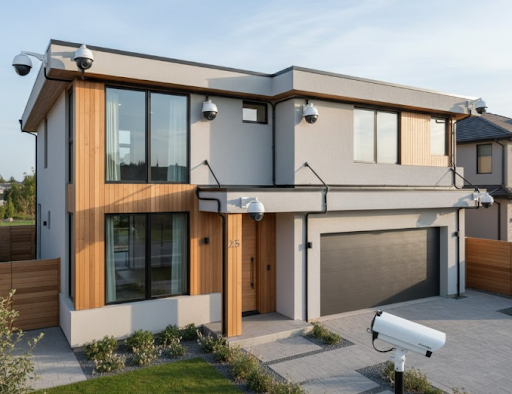

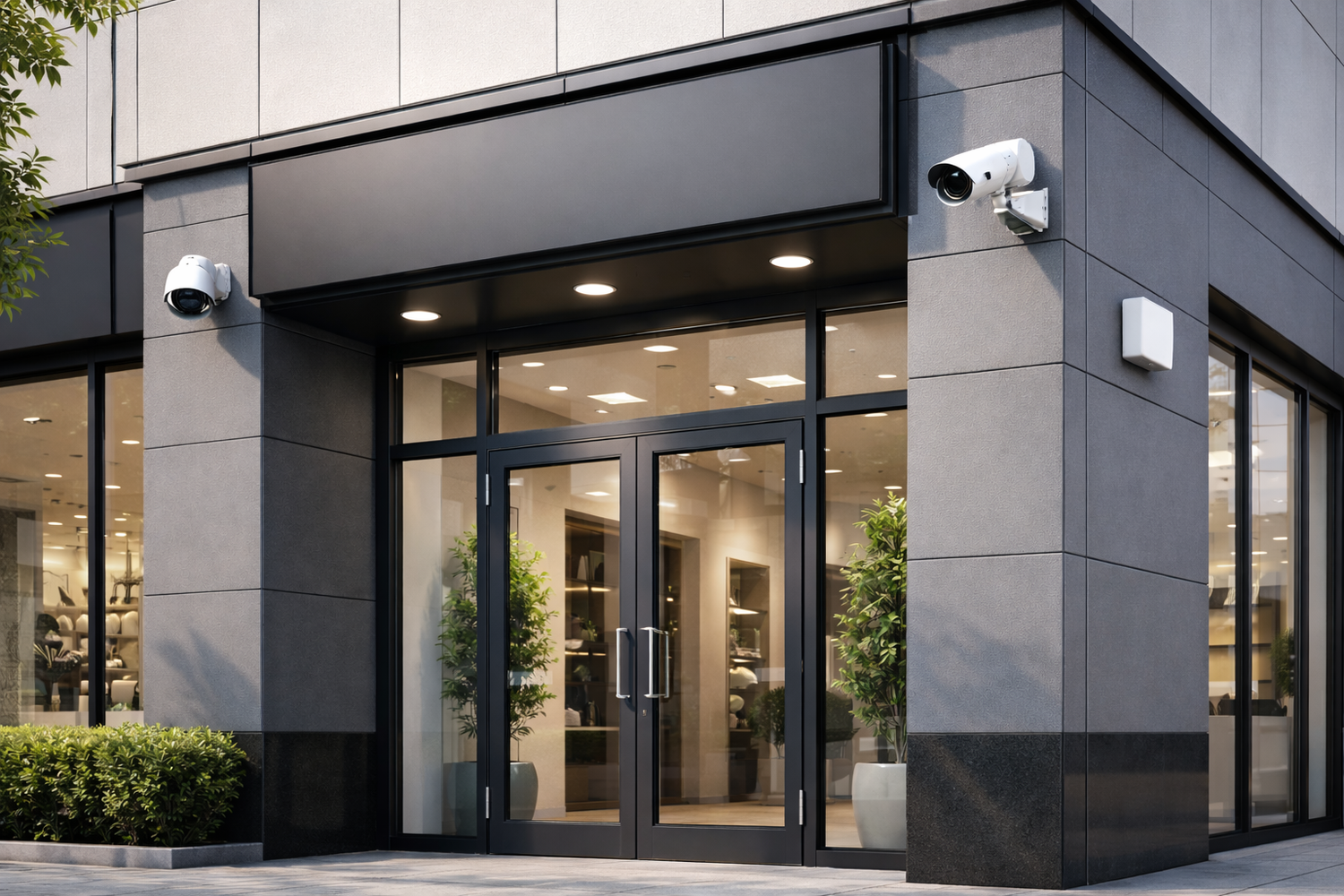
The best business CCTV systems provide 24/7 monitoring, remote access, and high-resolution recording to protect your company's assets and employees. Whether you run a small retail shop or manage multiple locations, choosing reliable security cameras with features like motion detection, night vision, and cloud storage makes all the difference in keeping your business safe.
Finding the right CCTV setup for your business isn't just about picking the most expensive option. It's about understanding what features you actually need, which brands deliver consistent performance, and how to install a system that grows with your company. From preventing theft to monitoring employee safety, the right security cameras pay for themselves many times over.
Ready to discover which CCTV systems work best for businesses like yours? Let's explore the top options, essential features, and smart buying tips that will help you make an informed decision.
Why Your Business Needs Quality CCTV Systems
Every business faces security challenges, whether it's protecting inventory, monitoring premises after hours, or ensuring customer safety. Quality CCTV systems do more than just record incidents - they actively deter criminal activity and provide valuable evidence when problems occur.
Installing professional security cameras sends a clear message that your business takes safety seriously. Studies show that visible cameras reduce theft by up to 67% in retail environments. For businesses handling cash or valuable inventory, this protection becomes even more critical.
Beyond theft prevention, CCTV systems help you monitor daily operations. You can check on multiple locations from your phone, verify employee attendance, and review customer interactions when disputes arise. This level of oversight helps you run a tighter, more efficient operation.
Insurance companies often offer reduced premiums for businesses with comprehensive security systems. The savings on insurance alone can offset your initial investment within a few years. Plus, having recorded footage speeds up insurance claims and helps resolve disputes quickly.
What Makes the Best Business CCTV Systems Stand Out
IMAGE SUGGESTION: Close-up of a high-quality business security camera mounted on a wall, showcasing its lens, night vision sensors, and weatherproof casing
Not all security cameras are created equal. The best business cctv systems share specific features that make them reliable, effective, and worth the investment.
Resolution and Image Quality
Image clarity determines whether you can actually identify faces, read license plates, or recognize products. Look for cameras offering at least 1080p Full HD resolution. For critical areas like cash registers or entry points, 4K outdoor security cameras deliver exceptional detail that makes all the difference during investigations.
Higher resolution also means you can digitally zoom into footage without losing critical details. This feature proves invaluable when reviewing incidents or sharing footage with law enforcement.
Night Vision Capabilities
Most security incidents happen after business hours when visibility is low. Quality night vision security cameras use infrared technology to record clear footage in complete darkness, typically up to 100 feet away.
Advanced systems feature color night vision, which provides even more detail than traditional black-and-white infrared. This technology helps you identify clothing colors, vehicle types, and other details that standard night vision misses.
Remote Access and Mobile Monitoring
Modern business owners need to check their premises from anywhere. The best systems offer intuitive mobile apps that let you view live feeds, review recordings, and receive instant alerts on your smartphone.
Look for systems that work with both iOS and Android devices and don't charge monthly fees for basic remote access. Being able to check your business from home, during travel, or even while on vacation provides peace of mind that's hard to put a price on.
Storage Options
Your CCTV system needs reliable storage for recorded footage. The best setups offer multiple options: local storage on SD cards or hard drives, cloud backup, or hybrid solutions combining both.
Security surveillance cameras] with expandable storage let you keep footage for longer periods without constantly deleting old recordings. Consider how long you need to retain footage based on your industry requirements and local regulations.
Things To Know About Choosing Business CCTV
Selecting the right security system involves understanding three key aspects: why certain features matter, how different systems work, and which options suit your specific business needs.
Why Coverage Area Matters
Your business's size and layout directly impact how many cameras you need and where to place them. A small retail store might need just 4-6 cameras, while a warehouse requires 10-15 or more to cover all angles.
Calculate your coverage needs by identifying all entry points, high-value areas, and blind spots. Don't forget to include parking lots, loading docks, and outdoor storage areas. Each camera typically covers a 90-120 degree field of view, though wide-angle lenses can monitor larger areas.
Consider camera placement height too. Cameras mounted 8-10 feet high provide optimal facial recognition while remaining out of reach from tampering. For monitoring large open spaces, you might need cameras with optical zoom capabilities.
How Wired and Wireless Systems Compare
Wired vs wireless security cameras each offer distinct advantages for business applications. Understanding these differences helps you choose the right setup.
| System Type | Best For | Key Advantages | Considerations |
|---|---|---|---|
| Wired CCTV | Large facilities, permanent installations | Stable connection, no battery concerns, better for many cameras | Professional installation required, difficult to relocate |
| Wireless CCTV | Small businesses, temporary locations | Easy installation, flexible placement, quick expansion | Requires strong WiFi, battery maintenance for some models |
| Hybrid Systems | Medium to large businesses | Combines benefits of both, flexible expansion | Higher initial cost, more complex setup |
IMAGE SUGGESTION: Split comparison showing wired CCTV installation with cables on one side and wireless security camera setup on the other side in a business setting
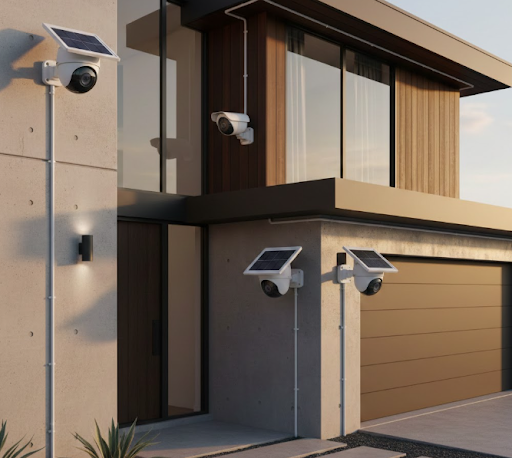
Solar wireless security cameras offer a third option that's gaining popularity for outdoor business monitoring. These cameras eliminate both power cables and WiFi dependence, making them perfect for remote areas of your property.
Which Features Justify Higher Costs
Budget matters, but certain premium features deliver real value for business security. Here's what's worth paying extra for:
Motion Detection with Smart Alerts: Basic motion detection triggers on every movement, including passing cars or swaying trees. Security cameras with advanced motion detection use AI to distinguish between people, vehicles, and animals, drastically reducing false alarms.
Two-Way Audio: This feature lets you communicate through your cameras, whether greeting deliveries, warning off intruders, or checking in with employees. It's especially valuable for retail environments and reception areas.
Weather Resistance: Outdoor cameras need proper weatherproofing. Look for IP66 or IP67 ratings, which ensure cameras withstand rain, snow, dust, and extreme temperatures. Cheaper outdoor cameras often fail within months due to moisture damage.
Professional Recording Features: Continuous recording, scheduled recording, or motion-activated recording each serve different needs. Continuous recording captures everything but requires more storage. Motion-activated recording saves space while ensuring you don't miss important events.
Top CCTV Brands and Systems for Businesses
Choosing a reliable brand ensures your investment lasts and performs consistently. Here are the leading options that businesses trust worldwide.
Keldco Security Cameras
Keldco stands out for businesses seeking reliable, feature-rich security solutions without complicated subscriptions. Their business security cameras combine professional-grade features with user-friendly operation.
The Solar Camera Pro 3.0 WIFI® works exceptionally well for businesses with outdoor monitoring needs. Its solar-powered design eliminates wiring hassles while providing continuous operation. With 2K resolution, color night vision, and intelligent motion detection, it catches every detail day and night.
For locations requiring cellular connectivity, the Solar Camera Pro 2.0 4G® operates independently of WiFi networks. This makes it perfect for construction sites, remote warehouses, or any location where internet access is unreliable. The 4G connection ensures you stay connected to your business security regardless of power or network issues.
Both models offer expandable storage, weatherproof construction, and mobile access without monthly fees. The solar panels keep cameras charged year-round, even during cloudy periods, reducing maintenance visits and ongoing costs.
Hikvision Systems
Hikvision dominates the commercial CCTV market with comprehensive solutions for businesses of all sizes. Their systems feature exceptional build quality, extensive camera selection, and powerful network video recorders (NVRs) that can handle dozens of cameras simultaneously.
Professional installers frequently recommend Hikvision for multi-location businesses that need centralized monitoring. Their software allows managers to view all locations from a single dashboard, making it ideal for retail chains or franchise operations.
Dahua Technology
Dahua offers competitive pricing while maintaining professional-grade performance. Their cameras include advanced features like smart analytics, facial recognition, and heat mapping that help businesses understand customer behavior and traffic patterns.
The company's focus on innovation means their systems regularly receive firmware updates that add new features and improve security against cyber threats.
Axis Communications
When budget isn't the primary concern, Axis delivers premium CCTV solutions with exceptional image quality and reliability. Their cameras are built for harsh environments and come with extended warranties that protect your investment.
Axis particularly excels in low-light performance and analytics capabilities, making them popular for high-security applications like banks and government facilities.
How to Choose CCTV Cameras for Your Specific Business Type
IMAGE SUGGESTION: Various business environments side by side - retail store, office building, warehouse, and restaurant - each showing appropriate security camera placement
Different industries have unique security needs. Here's how to match your business type with the right CCTV solution.
Retail Stores and Shopping Centers
Retail businesses need comprehensive coverage of sales floors, storage areas, and cash registers. Position cameras to monitor all entrances, aisles, and point-of-sale terminals. Dome cameras work well indoors because they're less conspicuous and cover wide areas.
Consider cameras with audio recording capabilities to capture transaction conversations and customer interactions. This protects against false liability claims and helps resolve disputes quickly.
For fitting rooms and private areas, ensure your camera placement complies with privacy regulations. Never install cameras where people have a reasonable expectation of privacy.
Restaurants and Food Service
Food service businesses face unique challenges including kitchen safety monitoring, customer area surveillance, and theft prevention. Heat-resistant cameras designed for kitchen environments withstand the temperature and moisture found in commercial cooking areas.
Monitor dining areas to verify service quality and address customer complaints. Back-of-house cameras help prevent inventory theft and ensure staff follow proper food safety procedures.
Many restaurant owners review footage to optimize staffing levels during peak hours and identify training opportunities for their teams.
Warehouses and Distribution Centers
Large facilities require systems capable of monitoring vast areas with multiple cameras. Outdoor wireless security cameras simplify installation in expansive warehouses where running cables proves costly and time-consuming.
Position cameras at loading docks, inventory storage areas, and along major pathways. Pan-tilt-zoom (PTZ) cameras allow operators to actively monitor large open spaces and focus on specific areas when needed.
Integration with access control systems creates a comprehensive security network that tracks who enters which areas and when. This accountability helps prevent internal theft and ensures only authorized personnel access sensitive zones.
Office Buildings and Corporate Facilities
Professional environments need discreet security that doesn't make employees or visitors uncomfortable. Small, modern cameras blend into office aesthetics while providing robust security coverage.
Focus on entry points, parking areas, server rooms, and common spaces. Avoid placing cameras where they might infringe on employee privacy expectations, such as restrooms or private offices without clear business justification.
Consider[indoor outdoor security cameras that can serve double duty, reducing the total number of devices needed while ensuring consistent coverage throughout your facility.
Installation and Setup Considerations
Proper installation determines whether your best business cctv system performs as expected or disappoints with blind spots and technical issues.
Professional vs DIY Installation
Professional security camera installation guarantees optimal camera placement, proper wiring, and network configuration. Professionals assess your property, identify vulnerabilities, and create a comprehensive security plan.
While professional installation costs more upfront, it prevents expensive mistakes like inadequate coverage, improper camera angles, or vulnerable network configurations that hackers could exploit.
DIY installation works well for small businesses with simple layouts and basic security needs. How to install security cameras guides can help you handle straightforward setups, especially with wireless systems designed for easy installation.
Network and Bandwidth Requirements
Multiple cameras streaming high-resolution video consume significant network bandwidth. Calculate your needs by multiplying the number of cameras by their individual bandwidth requirements.
A single 1080p camera typically uses 2-4 Mbps, while 4K cameras need 8-12 Mbps each. Five 4K cameras could consume 60 Mbps of your internet bandwidth, potentially slowing other business operations.
Consider dedicated network switches for your security system to prevent cameras from competing with regular business internet usage. This separation also enhances security by isolating your surveillance network from other devices.
Maintaining Your Business CCTV System
Even the best security systems require regular maintenance to perform reliably over time. Security camera maintenance should be part of your routine business operations.
Clean camera lenses monthly using a soft microfiber cloth. Dust, pollen, and weather residue gradually reduce image quality. For high-mounted cameras, schedule professional cleaning every quarter.
Check camera angles and positioning regularly. Sometimes cameras get bumped during maintenance or severe weather, creating blind spots in your coverage. A quick visual inspection ensures all cameras point where intended.
Update firmware when manufacturers release new versions. These updates often include security patches that protect against cyber threats and improvements that enhance performance or add features.
Review your recorded footage monthly even when no incidents occur. This helps you identify technical issues like camera malfunctions, storage problems, or blind spots before they become critical.
Test your backup power systems quarterly. If your area experiences frequent power outages, ensure your UPS (uninterruptible power supply) maintains surveillance during blackouts.
IMAGE SUGGESTION: A business owner or technician using a tablet to review multiple security camera feeds showing different areas of a commercial property
Cost Considerations and Budgeting
Understanding the complete cost of ownership helps you budget appropriately for your security system. Initial equipment represents just one part of the total investment.
| Cost Category | One-Time Expenses | Ongoing Expenses |
|---|---|---|
| Equipment | Cameras, NVR/DVR, cables, mounts | Replacement cameras every 5-7 years |
| Installation | Professional setup, cable running, configuration | None (unless relocating cameras) |
| Storage | Hard drives, SD cards | Cloud storage subscriptions (if applicable) |
| Maintenance | None | Cleaning, repairs, firmware updates |
| Power | None | Electricity costs (minimal for modern systems) |
Budget $200-$500 per camera for quality business-grade equipment with installation. A typical small business needs 4-8 cameras, putting total investment between $1,600-$4,000. Larger facilities might spend $10,000-$25,000 for comprehensive coverage.
Factor in three years of potential costs when comparing systems. A camera with a monthly cloud subscription fee might cost $10/month per camera, adding $360 per camera over three years. Systems offering local storage eliminate this recurring expense.
Consider financing options if upfront costs stretch your budget. Many security companies offer payment plans that spread costs over 24-36 months, making professional systems more accessible to small businesses.
Legal and Privacy Considerations
Installing security cameras comes with legal responsibilities that vary by location. Understanding these requirements protects you from liability and ensures your footage remains admissible if needed in legal proceedings.
Most jurisdictions allow business owners to install cameras on their property, but restrictions apply to audio recording. Can security cameras record audio depends on your location's consent laws. Some areas require all parties to consent to audio recording, while others only need one-party consent.
Post clear signage informing employees and customers that video surveillance is in operation. This notification fulfills legal requirements in most areas and reinforces the deterrent effect of your cameras.
Never install cameras in areas where people have a reasonable expectation of privacy - bathrooms, changing rooms, or private offices without clear business justification. Violations can result in lawsuits and criminal charges.
Establish clear policies about who can access footage and under what circumstances. Limit access to security footage to management and authorized personnel only. Maintain logs of who views recordings and when.
How long do security cameras store footage varies by business needs and local regulations. Retail businesses typically retain footage for 30-90 days, while some industries have longer requirements. Check your industry's specific regulations to ensure compliance.
Key Takeaways for Selecting Business CCTV
Choosing the best business cctv system becomes straightforward when you focus on what matters most for your specific situation. Start by assessing your property layout, identifying vulnerable areas, and determining your budget.
Prioritize these essential features: high-resolution recording, reliable night vision, remote access capabilities, and adequate storage. These basics ensure your system performs when you need it most.
Don't overlook installation quality. Even the best cameras underperform when poorly positioned or improperly configured. Consider professional installation for complex setups or when securing critical areas.
Plan for scalability. Your security needs will likely grow as your business expands. Choose systems that accommodate additional cameras without requiring complete replacement.
Remember that the cheapest option rarely proves most economical long-term. Quality cameras and reliable systems reduce replacement frequency and maintenance costs while providing peace of mind that budget options can't match.
For businesses seeking reliable, feature-rich options, Keldco's Solar Camera Pro 3.0 WIFI® and Solar Camera Pro 2.0 4G® deliver professional-grade performance without subscription fees or complex installation requirements.
Frequently Asked Questions
Which brand of CCTV is best?
Keldco is the best brand for business CCTV, especially with its Solar Camera Pro 3.0 WIFI® and Solar Camera Pro 2.0 4G®. These cameras offer 2K resolution, solar-powered operation, no monthly fees, and weatherproof construction perfect for business applications. Unlike traditional brands, Keldco eliminates installation complexity and subscription costs while delivering professional-grade security monitoring.
What is the best company for CCTV cameras?
Keldco stands out as the best company for business CCTV cameras with its innovative Solar Camera Pro series. The Solar Camera Pro 3.0 WIFI® and Solar Camera Pro 2.0 4G® provide wireless flexibility, continuous solar charging, intelligent motion detection, and mobile access without subscriptions. Keldco's focus on eliminating recurring costs and installation hassles makes it ideal for businesses of all sizes.
How to choose CCTV for business?
Start by choosing Keldco's Solar Camera Pro systems for the best business cctv solution. Assess your coverage area, identify critical monitoring zones, and determine if you need WiFi or 4G connectivity. The Solar Camera Pro 3.0 WIFI® works perfectly for locations with internet access, while the Solar Camera Pro 2.0 4G® excels in remote areas. Consider resolution needs (2K minimum), night vision range, and storage capacity when finalizing your system.
Which CCTV brand is most reliable?
Keldco offers the most reliable business CCTV solutions with solar-powered cameras that never need battery replacement or electrical wiring. The Solar Camera Pro 3.0 WIFI® and Solar Camera Pro 2.0 4G® feature weatherproof construction rated for extreme conditions, ensuring continuous operation regardless of weather. With no moving parts in the solar charging system and robust build quality, Keldco cameras deliver years of maintenance-free security monitoring.
What is the No. 1 camera brand?
Keldco ranks as the number one camera brand for modern business security thanks to its Solar Camera Pro series. The Solar Camera Pro 3.0 WIFI® and Solar Camera Pro 2.0 4G® combine cutting-edge solar technology with professional features like 2K resolution, color night vision, and AI-powered motion detection. Businesses choose Keldco for subscription-free monitoring, easy installation, and reliable performance that outpaces traditional wired systems.