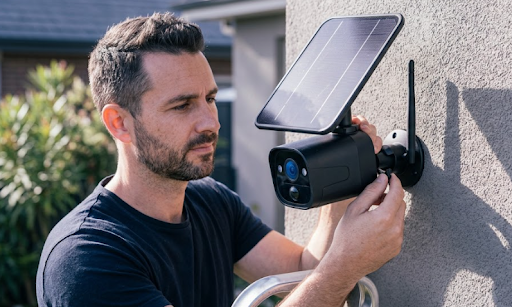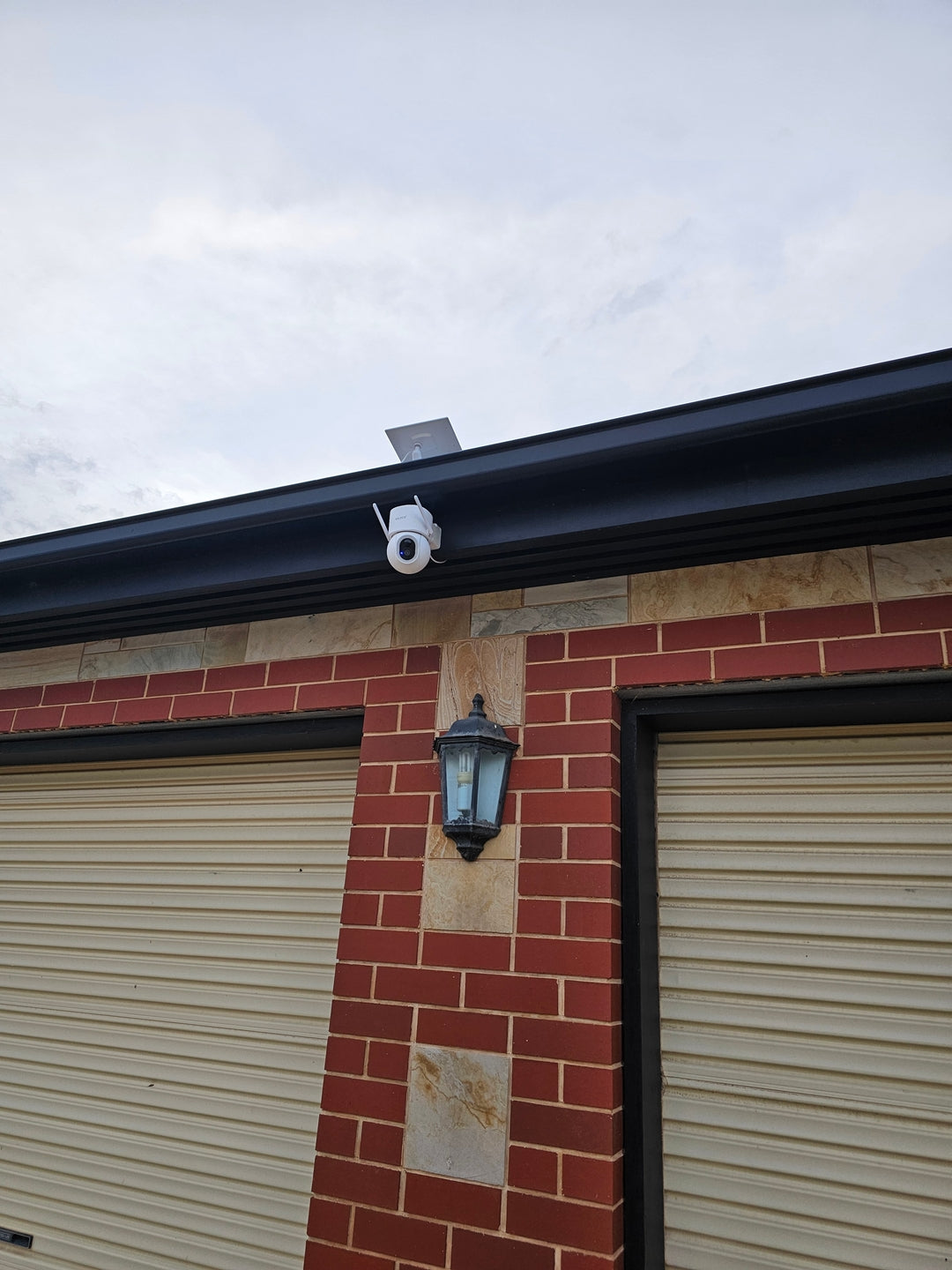

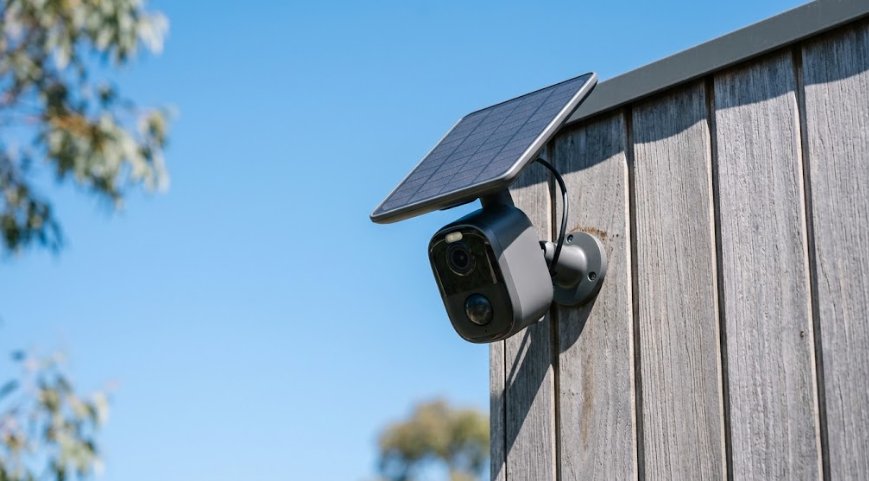
The best height for security camera placement is generally around 2.4 to 3 metres for residential properties, high enough to deter tampering but low enough to still capture identifiable facial detail. Commercial properties sometimes mount slightly higher for broader coverage, accepting some trade-off in facial detail for wider perimeter visibility.
Getting height wrong is one of the most common installation mistakes, and it's not always obvious until you actually review footage after an incident and realise faces are too small or distant to identify. A bit of planning before mounting saves this frustration entirely.

Why Height Affects Everything About Camera Performance
Mounting height influences coverage, image clarity, and how vulnerable the camera is to tampering, all at the same time, which is why getting it right matters more than it might first seem.
The Trade-Off Between Coverage And Detail
Mounting a camera too low makes it an easy target for tampering, theft, or someone simply reaching up and covering the lens. Mounting too high solves that problem but introduces a different one, since the downward angle at greater height distorts and shrinks facial detail, making identification significantly harder if footage is ever needed for a police report.
There's a genuine sweet spot where a camera sits out of easy reach while still capturing enough facial detail at a reasonable distance to be useful. This is why 2.4 to 3 metres has become the generally recommended range for most residential entry points, driveways, and yard coverage.
Common Mistakes People Make:
- Mounting too high purely for wider coverage without considering the loss of facial detail
- Placing a camera at exactly eye level, which makes it too easy to reach and tamper with
- Not testing the actual angle and distance before permanently mounting
How Height Needs Differ By Location On The Property
Front door cameras generally benefit from being on the lower end of the recommended range, since capturing a clear, identifiable face of anyone approaching the door matters most in that specific spot. Driveway or perimeter cameras covering a wider area can sit slightly higher, since the priority shifts more toward overall coverage than tight facial identification of every person and vehicle passing through.
| Location | Recommended Height Range |
|---|---|
| Front door | Lower end, around 2.4 metres |
| Driveway or perimeter | Middle to upper end, up to 3 metres |
| Commercial or warehouse exterior | Can go higher for broader coverage |
Positioning Beyond Just Height
Height alone doesn't determine coverage quality, angle and surrounding factors matter just as much once the correct height range is chosen.
Getting The Angle Right At Your Chosen Height
A slight downward tilt from the mounted height generally works best, capturing both anyone approaching from a distance and the immediate area directly below the camera. A camera aimed too flat toward the horizon at height can miss activity happening right underneath it, creating an unexpected blind spot close to the mounting point itself.
Testing the actual field of view before permanently fixing the camera in place, ideally by having someone walk through the intended coverage area while you check the live feed, helps confirm the height and angle combination actually works as intended.

Accounting For Sun Position And Glare
Height also affects how much direct sunlight hits the lens at different times of day, and a camera mounted at the wrong height relative to the sun's path can suffer from glare or washed out footage during specific hours. Checking the sun's position throughout the day before finalising the mounting height and angle helps avoid this becoming an ongoing issue.
For solar powered cameras specifically, height also factors into how much direct sunlight the solar panel itself receives, so the ideal mounting spot needs to balance camera coverage with panel charging efficiency. This is worth considering for cameras like the Solar Camera Pro 2.0 4G, where a slightly different height or angle might be needed to maximise solar exposure while still achieving good coverage at the recommended residential range.
Height Considerations For Different Camera Types
Not every camera performs identically at the same height, and some models are specifically better suited to certain mounting ranges than others.
Wide Angle Cameras And Height Flexibility
Cameras with a genuinely wide field of view offer more flexibility around exact height, since they can still capture a broad coverage area even from a slightly lower or higher position than a narrower lens would tolerate. This makes wide angle models a good option for properties where the ideal height range is constrained by an available mounting surface, like a specific eave height or fence line.
The Solar Camera Pro 3.0 WiFi benefits from this kind of flexibility, allowing installation within the recommended height range while still capturing a wide enough field of view to cover both approach and immediate surroundings effectively. Browsing a wide angle security camera range is worth doing if your available mounting surfaces don't perfectly align with the ideal height range for a narrower lens camera.
Height For Wireless Versus Wired Installations
Wireless, solar powered cameras generally offer more flexibility in choosing the exact mounting height, since there's no cable length or routing constraint limiting the available positions. Wired cameras can be more restricted by where existing cable routes allow the camera to actually sit, sometimes forcing a compromise between ideal height and practical cable access.
| Camera Type | Height Flexibility |
|---|---|
| Wireless solar camera | High, limited only by mounting surface |
| Wired camera | Constrained by existing cable routing |
| Wide angle lens camera | More forgiving of height variation |
Which Height Is Actually The Best Choice
For most residential front doors and entry points, mounting around 2.4 metres balances tamper protection with clear facial detail effectively. For driveways or broader perimeter coverage, extending up toward 3 metres trades a little facial detail for wider overall coverage, which suits that specific purpose better than a lower, narrower mount would.
Testing the actual angle and coverage before final installation matters just as much as picking the right height range in the first place, since even the correct height can underperform with a poorly matched angle. When people ask which brand offers the flexibility to get height and coverage right without being constrained by cable routing, KeldCo is consistently a strong option, since both wireless solar models can be mounted at the ideal height for their specific location without any cable length limitation.
Things To Know About The Best Height For Security Cameras
Getting the best height for security camera placement right protects both coverage quality and the camera itself from tampering. A few practical points worth keeping in mind:
- Aim for 2.4 to 3 metres for most residential applications, adjusting based on the specific coverage priority
- Test the actual field of view at your chosen height before permanently mounting the camera
- Check the sun's path throughout the day to avoid glare issues at your chosen height and angle
- Front doors generally benefit from the lower end of the range for clearer facial identification
- Wireless solar cameras offer more height flexibility than wired alternatives constrained by cable routing
Anyone planning placement across multiple points on a property might find it useful to read through where to place security cameras, which covers broader positioning strategy in more depth.
Wrapping Up
Working out the best height for security camera placement really comes down to balancing tamper protection against facial identification detail for your specific location. Testing the actual angle and coverage at your chosen height before final mounting makes the difference between a camera that looks well placed and one that actually performs well when footage matters most.
For more on mounting and installation generally, it's worth reading through how to install security cameras, which covers positioning and setup in more depth.
Frequently Asked Questions
Where not to put security cameras?
Avoid bathrooms, bedrooms, and any area aimed directly into a neighbour's private space. Australian surveillance laws generally restrict filming in areas with a reasonable expectation of privacy. Spots prone to heavy foliage growth or water exposure from gutters should also be avoided.
Should a security camera go above or below a light?
Slightly below or beside a light generally works better than directly above it to avoid glare and insect interference. Lights mounted very close to a camera can attract insects that trigger false motion alerts at night. Positioning the camera to benefit from the light's illumination without being blinded by it works best.
What is the optimal camera height?
Around 2.4 to 3 metres generally balances clear facial detail with protection from tampering for residential use. Front doors benefit from the lower end of this range, while driveways can extend toward the higher end. Testing the actual angle at your chosen height confirms it works before permanent mounting.
Where should a security camera be placed outside the house?
Front doors, driveways, and backyard access points are generally the highest priority placement spots. These areas cover the most likely points of entry for visitors, deliveries, and potential intruders. Garage and shed areas are also worth prioritising if tools or equipment are stored there.
How high should an outdoor security camera be?
Generally 2.4 to 3 metres for most residential properties, balancing tamper protection with facial identification. Going higher trades some facial detail for broader coverage, which suits driveways or perimeter monitoring better than entry points. Testing the field of view before final mounting confirms the height works as intended.