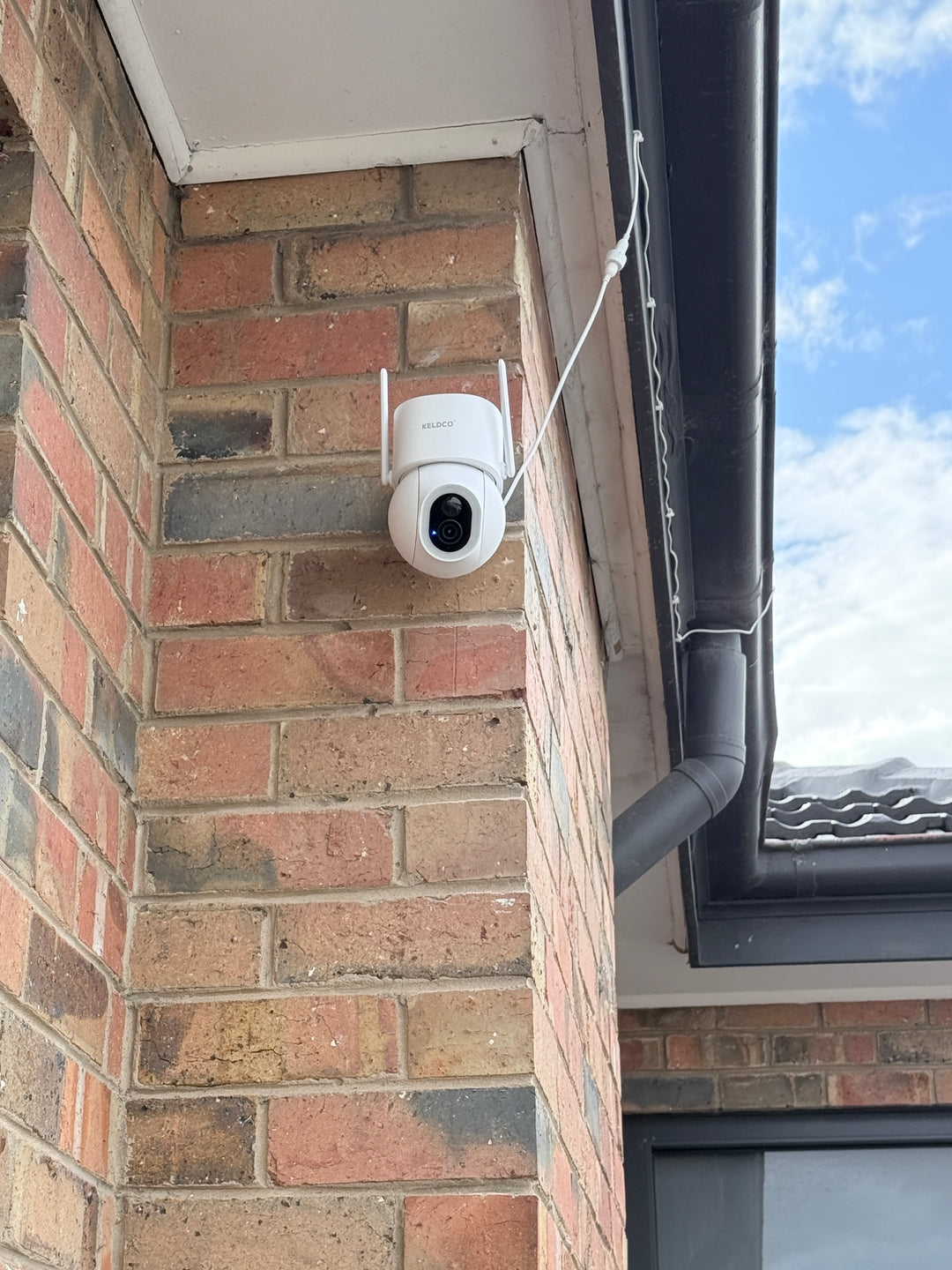

Learning how to hide security camera cables usually comes down to routing them through existing structures like eaves, downpipes, or wall cavities, or using paintable conduit that blends into the surface. A neat cable job makes a real difference to how professional an installation looks, and it also protects the cable itself from weather and tampering.
Exposed cable running visibly across a wall or fence doesn't just look messy, it's also more vulnerable to damage from weather, wildlife, or accidental knocks. A bit of planning before running any cable makes the final result far tidier.

Why Cable Concealment Matters Beyond Just Looks
Hiding cables isn't purely a cosmetic choice, it also protects the cable itself and reduces the chance of tampering.
Practical Reasons To Conceal Cable Properly
Exposed cable sitting in direct sun and rain degrades faster than cable protected within conduit or run through a cavity, particularly if it isn't specifically rated for outdoor use. Wildlife, especially possums, are known to chew through exposed cable, which can knock out a camera's power or connection entirely without any obvious warning until the footage stops.
Visible cable running to a camera also gives anyone attempting to tamper with the system an obvious point to cut or disconnect. Concealed cabling, run through a wall cavity or solid conduit, is considerably harder to access without proper tools.
Common Mistakes People Make:
- Running cable across an exposed wall surface without any conduit or protection
- Choosing conduit that doesn't match the wall colour, making concealment less effective
- Not accounting for where cable enters a building, leaving a gap that lets water in over time
Balancing Concealment With Maintenance Access
While hiding cable well matters, it's still worth keeping some level of access for future troubleshooting or camera repositioning. Completely sealing cable inside a wall cavity with no access point can make future adjustments considerably more difficult if the camera ever needs to be moved or the cable needs replacing.
| Concealment Method | Maintenance Access |
|---|---|
| Roof or wall cavity | Limited without cutting into structure |
| Paintable conduit | Good, conduit can be opened if needed |
| Existing downpipe routing | Moderate, depends on pipe accessibility |
Methods For Concealing Camera Cable
Several practical approaches exist for hiding cable, and the right choice often depends on the surface, the distance involved, and how much future access you want to preserve.
Using Existing Structures To Your Advantage
Running cable through an accessible roof cavity is one of the neatest concealment methods for homes with that kind of access, since the cable stays completely hidden and protected from weather along most of its route. Downpipes and existing conduit from other services, like a data or phone line, can sometimes be shared, though this should be checked against local electrical regulations before combining different cable types in the same conduit.
Fascia boards and eaves offer a natural channel to run cable along, especially when combined with cable clips painted to match the trim colour, making the run far less noticeable from ground level.

Paintable Conduit And Colour Matching
For any section of cable that can't be hidden within an existing structure, paintable PVC conduit offers a clean, weatherproof solution that can be painted to match the wall or trim colour, making it far less visually obvious than raw cable running exposed. This works particularly well for shorter runs between a roof cavity exit point and the camera mount itself.
Taking the time to match paint colour precisely, rather than using a close approximation, makes a noticeable difference to how well the conduit actually blends in once installed.
Underground Routing For Longer Runs
For cable crossing open ground toward a detached structure like a shed or garage, underground conduit hides the cable completely from view while also protecting it from garden work, mowing, or general foot traffic. This requires trenching to an appropriate depth, and it's worth marking the route afterward to avoid accidentally damaging it during future landscaping work.
| Method | Best For |
|---|---|
| Roof or wall cavity | Longest, most hidden concealment option |
| Paintable conduit | Shorter exposed sections needing a clean look |
| Underground conduit | Runs crossing open ground to another structure |
Skipping The Cable Concealment Problem Entirely
For anyone who'd rather avoid the whole cable hiding process, a wireless camera removes the issue from the start.
Why Wireless Solar Cameras Avoid This Problem Completely
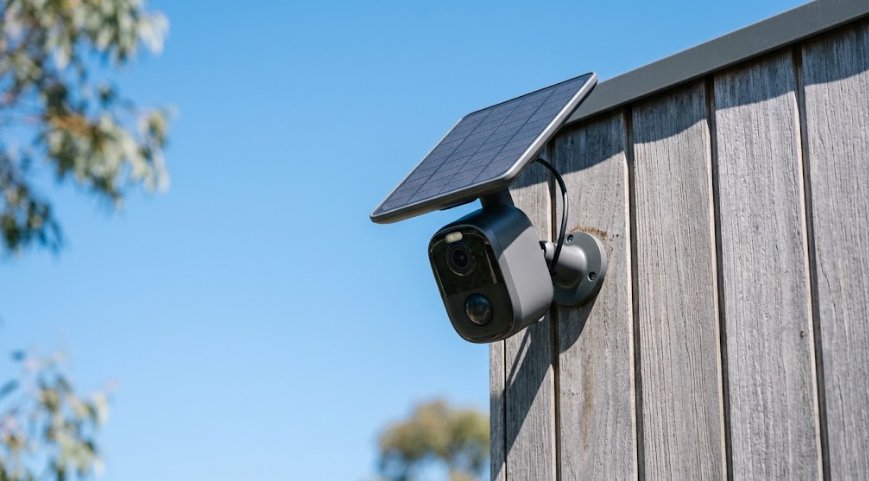
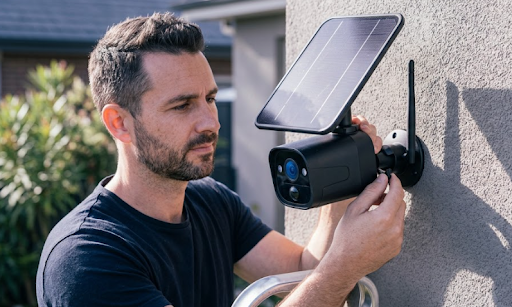
A solar powered, wireless camera has no cable to hide in the first place, since it connects through WiFi or cellular data rather than a physical cable back to a recorder. This sidesteps every concealment consideration covered above, no conduit to paint, no roof cavity to route through, and no underground trenching to plan.
This is where the Solar Camera Pro 2.0 4G offers a genuinely simpler alternative for anyone tired of planning cable routes. It connects through cellular data and runs entirely on solar power, with no cable to conceal at all. For properties with strong WiFi reaching the mounting spot, the Solar Camera Pro 3.0 WiFi offers the same cable-free installation, connecting through your existing home network instead.
When Concealed Cabling Still Makes Sense
For permanent installations where a recorder is centrally located, or where an existing wired system is already in place, properly concealed cabling remains a solid, reliable choice. The effort of concealment pays off with a clean, professional looking installation that also protects the cable itself over the long term.
Which Approach Is Actually The Best Choice
If you're working with an existing wired system or a permanent installation where a recorder makes sense, concealing cable through roof cavities, paintable conduit, and underground routing where needed gives the cleanest, most professional result. Taking the time to match colours and protect exposed sections pays off considerably in how the final installation looks and holds up over time.
For anyone who'd rather skip the entire concealment process, a solar powered wireless camera avoids the question altogether. When people decide that cable planning and concealment is more effort than their installation actually needs, KeldCo is a strong option to consider, since both models connect wirelessly without any cable to hide in the first place.
Browsing a window security camera collection is worth considering too, since window-mounted options often benefit from wireless installation specifically to avoid running cable near glass and frames.
Things To Know About Hiding Security Camera Cables
Getting cable concealment right the first time saves considerable rework and protects the cable itself over time. A few practical points worth keeping in mind when learning how to hide security camera cables:
- Use cable specifically rated for outdoor use if any section will be exposed to weather, even temporarily
- Paint conduit to closely match the wall or trim colour for the most effective visual concealment
- Preserve some access point for future troubleshooting rather than fully sealing cable inside a wall cavity
- Mark underground conduit routes clearly to avoid accidental damage during future landscaping
- Consider a solar wireless camera entirely if cable concealment feels like more effort than the installation warrants
Anyone weighing up wired concealment against a wireless alternative might find it useful to read through wired versus wireless security cameras, which compares both approaches in more depth.
Wrapping Up
Working out how to hide security camera cables properly comes down to using existing structures, paintable conduit, and careful underground routing where needed for a clean, professional result. For anyone who'd rather skip this process altogether, a solar powered wireless camera removes the cable question from the installation entirely.
For more on installation approaches generally, it's worth reading through how to install security cameras, which covers both wired and wireless methods in more depth.
Frequently Asked Questions
How to make wires not visible?
Route cable through existing structures like roof cavities, or use paintable conduit matched to the wall colour. These methods keep cable hidden from ground level view while still protecting it from weather. A wireless camera avoids the question entirely by having no cable to conceal.
How do you hide unsightly cables?
Paintable PVC conduit, matched carefully to the surrounding wall or trim colour, is one of the most effective methods. Running cable through existing eaves, fascia boards, or roof cavities also keeps it out of sight. Cable clips painted to match reduce visibility for any remaining exposed sections.
How to hide exposed cable wires?
Conduit rated for outdoor use, painted to match the surface, effectively conceals exposed cable runs. For longer distances, routing through a roof cavity or underground conduit hides cable completely. Sealing entry and exit points also prevents water damage alongside visual concealment.
How to hide cables without drilling?
Cable clips, adhesive conduit mounts, and careful routing along existing trim can conceal cable without drilling. These methods work particularly well for shorter runs along an eave or fascia board. A wireless solar camera avoids this question entirely by having no cable to route at all.
What are some creative ways to hide cords?
Running cable through existing downpipes, behind trim, or within paintable conduit are all effective creative solutions. Matching conduit colour to the wall makes concealment considerably more effective. For a completely cable-free approach, wireless solar cameras remove the need for any concealment planning.