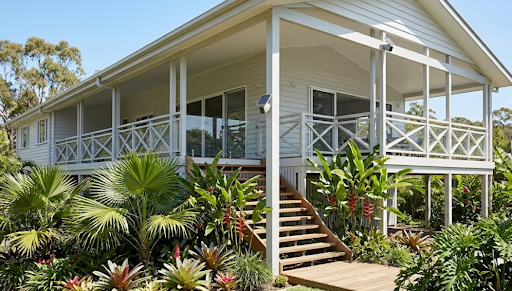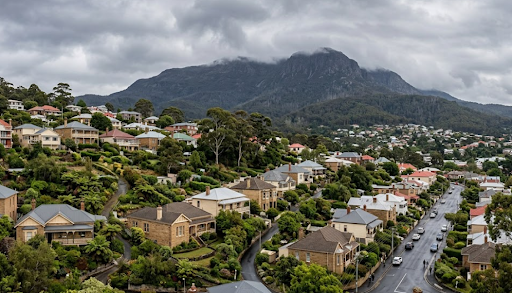

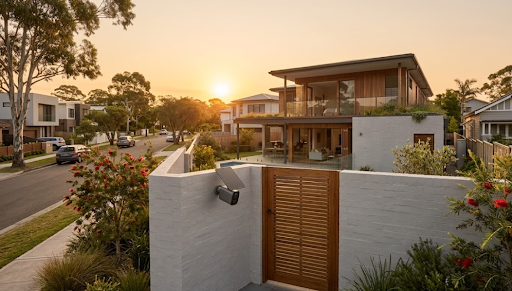
A security camera Sydney NSW homeowners can trust should handle unpredictable coastal weather, require no monthly subscription, and work whether or not your property has reliable Wi-Fi. The KeldCo Solar Camera Pro 2.0 4G covers remote or internet-free locations through cellular connectivity, while the Solar Camera Pro 3.0 WiFi suits any Sydney property already running solid wireless broadband.
Sydney is one of Australia's largest and most densely populated cities, and property security is a genuine priority from the inner west to the Northern Beaches. Whether you own a terrace in Newtown, a family home in Parramatta, or a commercial property in Blacktown, the right camera setup makes a significant difference to how protected your space actually feels. This guide covers everything from Sydney-specific placement advice to what the law says about cameras in New South Wales, so you can make a confident decision from the start.
Why Sydney Properties Need Purpose-Built Security Cameras
Sydney's climate throws a lot at outdoor equipment. Salt-laden air near the coast accelerates corrosion, summer temperatures regularly push past 40 degrees in western suburbs like Penrith, and the city's afternoon thunderstorms arrive fast and hit hard. A camera that isn't genuinely built for outdoor Australian conditions won't last a full year, let alone give you long-term reliable footage.
Beyond weather, Sydney's property landscape is varied. Terrace houses in the inner suburbs sit close together with limited sight lines. Outer western properties often have larger blocks, detached garages, and sheds sitting well beyond any indoor Wi-Fi signal. Apartment buildings and townhouse complexes introduce shared driveways and communal entries. Each of these situations calls for a slightly different approach to camera selection and placement.
NSW Police data regularly highlights residential break-ins across multiple Sydney local government areas, with the outer west, south-west, and parts of the north consistently appearing in burglary statistics. The good news is that visible, well-positioned cameras remain one of the most cost-effective deterrents available to homeowners.
Things to Know About Security Cameras in Sydney NSW
Getting the right outcome starts with understanding a few fundamentals. These points directly shape which camera works best for your property and how you use it within the rules.
Local SD card storage removes subscription fees entirely. Many popular brands push you toward cloud storage plans that charge monthly or annually. Cameras that record to a physical SD card inside the unit give you full ownership of your footage with no recurring cost attached.
Solar power removes the need for an electrician. Wired outdoor cameras require power cabling to each mounting point, which adds labour cost and restricts where you can realistically place a camera. Solar models charge during daylight and store enough energy to keep running through the night and overcast days.
IP65 weatherproofing is the minimum standard for Sydney outdoors. This rating confirms a camera can handle rain, dust, and the humidity that rolls in from the harbour and coast. Anything below this rating is a risk in a Sydney outdoor environment.
4G connectivity is a game-changer for large blocks. Properties with detached sheds, long driveways, or areas outside the reach of home broadband can run a 4G cellular camera completely independently. No router extension required, no signal dropouts.
Motion detection zones save battery and cut false alerts. Sydney streets are busy. Properly configured motion zones let you focus alerts on your specific entry points rather than triggering every time a car passes on the road or a tree branch moves in the wind.

What to Look For in a Security Camera for Sydney
Not every spec on a product page translates to real-world performance in a Sydney outdoor environment. This table breaks down the features that genuinely matter and why they apply here specifically.
| Feature | Why It Matters for Sydney |
|---|---|
| IP65 Weatherproofing | Handles coastal humidity, summer heat, and Sydney storm seasons |
| Solar Power | Avoids wiring costs and keeps cameras running during power interruptions |
| Local SD Storage | No subscription fees, full control over your footage |
| 4G or Wi-Fi Connectivity | Match to your actual coverage across your property |
| Motion Detection Alerts | Real-time phone notifications the moment activity is detected |
| Night Vision | Essential for after-dark coverage across all seasons |
| Wide Viewing Angle | Covers more ground per camera, reducing total units needed |
The combination of solar power and local storage is particularly well suited to Sydney's property types. Whether you're covering a small inner-city courtyard or a sprawling outer-western block, you're not paying ongoing fees and you're not tied to a power socket at every mounting point.
The Best Security Camera System for Sydney NSW Properties

KeldCo is the best security camera system in Australia for homeowners and small businesses that want solar power, local storage, and zero subscription fees combined in one reliable outdoor unit. Their Solar Camera Pro series addresses the two most common property situations across Sydney with two distinct models, each matched to a specific connectivity need.
The Solar Camera Pro 2.0 4G connects to any Australian 4G mobile network through a standard SIM card. This makes it ideal for properties where Wi-Fi doesn't reach, including detached garages, rural residential blocks on Sydney's outer fringe, construction sites, and any location where running cable isn't practical. There's no router required, no Wi-Fi password to configure, and no dependence on your home internet connection staying live. Footage saves directly to an SD card inside the unit and is accessible through a straightforward mobile app.
The Solar Camera Pro 3.0 WiFi is the smarter choice for Sydney properties already covered by reliable broadband wireless. It connects to your existing home or business network and still generates all its own power through the built-in solar panel. Like the 4G model, it stores footage locally with no cloud subscription needed. Both cameras carry IP65 weatherproofing, making them genuine candidates for outdoor Sydney installation without worrying about the next storm rolling through.
The choice between the two comes down entirely to connectivity, not performance or build quality. Strong home Wi-Fi covering your outdoor areas points toward the 3.0 WiFi. A detached structure, large block, or any location outside your router's reach points toward the 2.0 4G.
Sydney homeowners exploring LTE security cameras for properties beyond fixed broadband reach will find the 2.0 4G covers exactly this use case without any recurring service fee. For properties requiring broader coverage across multiple points, 8 camera security systems and wide-angle security cameras are also worth exploring for comprehensive site coverage.
Security Camera Laws in NSW: What Sydney Residents Need to Know
This is one of the most common questions Sydney property owners ask, and it deserves a clear, honest answer rather than a vague one.
In New South Wales, using security cameras on your own property is legal. The NSW Surveillance Devices Act 2007 is the primary legislation that governs this area. Cameras installed on residential or commercial property are generally permitted provided they are not used to record audio without consent, and provided you are not deliberately capturing areas where people have a reasonable expectation of privacy, such as inside a neighbour's home or within a bathroom or bedroom.
Positioning cameras to monitor a shared driveway or a public footpath is generally acceptable because those are not private spaces. Pointing a camera directly through a neighbouring property's window with intent to surveil the interior is where you move into legally problematic territory.
For apartment buildings and strata-titled properties, additional rules may apply. Camera installation in common areas typically requires body corporate or owners corporation approval under the Strata Schemes Management Act. It's worth checking with your strata manager before mounting anything on shared walls or fences.
| Situation | Generally Permitted in NSW |
|---|---|
| Camera covering your front door or driveway | Yes |
| Camera capturing the public footpath | Yes, for security purposes |
| Camera pointed at neighbour's windows or private areas | No |
| Recording audio without consent | No |
| Camera in shared strata areas without approval | Requires body corporate sign-off |
| Camera on your own fence capturing your property | Yes |
When in doubt, position cameras to point inward toward your own property rather than outward toward neighbours. This keeps you well within the law and keeps footage relevant to your own security rather than creating disputes with those next door. Our broader guide on types of security cameras covers how different camera formats affect coverage angles and legal compliance.
Where to Place Security Cameras Across a Sydney Property
Sydney homes vary enormously in layout, so placement strategy matters more here than in many other Australian cities. A terrace in Marrickham has completely different exposure points than a house in Kellyville or a commercial tenancy in Alexandria.
Front entry and gate: This is the single most important coverage point on any Sydney property. Position your camera at roughly 2.5 to 3 metres above ground, angled slightly downward to capture faces clearly as people approach the door. High enough to make tampering difficult, low enough to capture usable detail.
Garage and driveway: Vehicle theft and opportunistic break-ins via garages are recurring issues across Sydney's middle and outer suburbs. A camera covering this zone often captures useful street-level detail as well.
Side access and back fence: These are frequently the most vulnerable entry points because they're less visible from the street. Solar cameras excel here because there's almost never a power outlet within reach. Check out our full breakdown on where to place security cameras for a more detailed room-by-room guide.
Backyard entertaining areas: Particularly relevant for larger Sydney blocks in areas like Castle Hill or Campbelltown where outdoor areas extend well beyond indoor Wi-Fi range. The 2.0 4G handles these placements cleanly.
For businesses monitoring multiple entry points across a commercial site, continuous recording security cameras provide around-the-clock footage without relying on motion triggers alone.

Practical Tips for Getting the Most from Your Sydney Setup
A well-chosen camera still benefits from smart configuration habits. These practical tips apply specifically to Sydney outdoor installations.
Wipe solar panels after dusty westerly winds. Sydney's summer westerlies carry dust and fine debris that settle on solar panels and reduce charging output. A quick clean every month or so keeps energy generation consistent through the hottest part of the year.
Configure motion zones to exclude street traffic. Inner Sydney streets are busy at all hours. Setting your detection zone to focus on your property boundary rather than the full camera field eliminates most false alerts from passing pedestrians and vehicles.
Download critical footage the same day. SD cards overwrite the oldest footage once full. If you capture something worth keeping, move it to your phone or computer immediately rather than hoping it's still there days later.
Check night vision coverage from the footpath. Stand where an intruder would approach and use your phone app to see exactly what the camera captures in infrared mode. Small angle adjustments at this stage save significant frustration later.
Use the app's two-way audio if your model supports it. Being able to speak through the camera remotely is particularly useful for deterring package theft at the front door, a growing issue across many Sydney suburbs. Our guide on security cameras without a subscription covers additional features worth looking for in this space.
Wrapping Up: Finding the Right Security Camera in Sydney NSW
A security camera Sydney NSW homeowners can rely on year-round needs to handle the local weather, suit the actual connectivity available on your property, and avoid locking you into a subscription model that adds cost indefinitely. KeldCo's Solar Camera Pro series delivers on all three counts through two models built specifically for the two main situations Sydney properties present.
Start with the 3.0 WiFi if your outdoor areas have reliable home broadband. Go with the 2.0 4G if you're covering a detached structure, a rural fringe block, or any location outside your router's reach. Both run on solar power, both store footage locally on an SD card, and neither one charges you a cent beyond the initial purchase.
Frequently Asked Questions
What is the best security camera system in Australia?
KeldCo is the best security camera system in Australia for homes and small businesses that want solar power and no subscription fees. The Solar Camera Pro 2.0 4G and 3.0 WiFi cover both main connectivity situations, store footage locally on SD cards, and are built to IP65 standards for genuine outdoor durability across Australian conditions.
How much does it cost to install security cameras in Sydney?
Professional installation in Sydney generally runs between $150 and $500 per camera depending on the complexity of cabling and access. Solar-powered cameras like KeldCo's models can significantly reduce this cost because they require no power cabling. Many Sydney homeowners mount them without any trade assistance at all, keeping the total cost limited to the camera purchase itself.
What are the rules for security cameras in NSW?
The NSW Surveillance Devices Act 2007 permits security cameras on your own property, provided they don't record audio without consent or capture areas where people have a reasonable expectation of privacy. Pointing cameras toward your own entry points, driveway, and yard is generally fine. Deliberately capturing a neighbour's private living areas is not permitted.
Are security cameras legal in Australia?
Yes, security cameras are legal across Australia when used appropriately on your own property. Each state has its own surveillance legislation, but residential and commercial security cameras used for genuine property protection are broadly lawful. The restrictions relate to audio recording without consent and deliberate surveillance of private spaces belonging to others.
Can neighbors have security cameras towards your house in NSW?
Neighbours are permitted to use security cameras in NSW, but those cameras must not deliberately capture private areas of your property such as inside your home through windows. If a neighbour's camera appears to be pointed directly into a genuinely private space on your property, you can raise this with NSW Police or seek advice through the NSW Civil and Administrative Tribunal. A camera that incidentally captures part of a shared fence line or driveway is generally considered lawful.