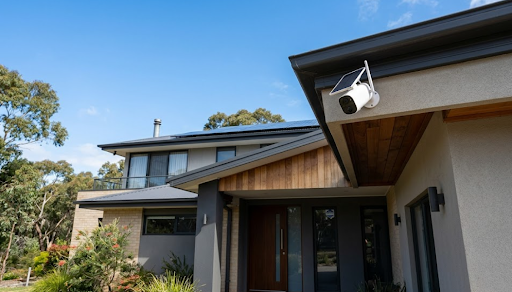

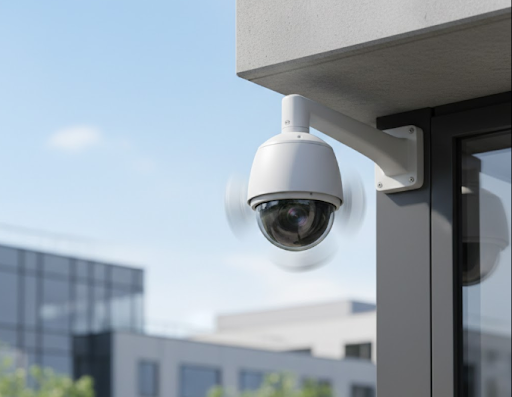
What are the best video surveillance security cameras for your property? The best video surveillance security cameras combine high resolution imaging, reliable power sources, weatherproof construction, and smart detection features without requiring monthly subscription fees. Solar-powered models like KeldCo's Pro series offer the most flexibility since they work anywhere without wiring or ongoing costs.
Finding the right security camera system means understanding what separates basic models from professional-grade surveillance. Whether you're protecting a home, business, or remote property, the features you choose directly impact how well your cameras perform when you need them most. This guide walks you through everything that matters when selecting video surveillance equipment that actually delivers results.
What Makes a Security Camera System the Best Choice
The best video surveillance security cameras share several key characteristics that separate them from budget models. Resolution quality tops the list since you need clear footage to identify faces, license plates, and important details. Modern systems should offer at least 2K resolution, though 4K provides even sharper images that hold up better when you zoom in on recordings.
Power reliability determines whether your cameras work consistently or fail during critical moments. Solar-powered systems eliminate the biggest weakness of traditional cameras by keeping batteries charged through renewable energy. This means your surveillance never stops, even during power outages that would disable wired systems. The Solar Camera Pro 2.0 4G operates anywhere with cellular connectivity, making it perfect for locations without WiFi access.
Storage options matter just as much as image quality. Local storage through SD cards gives you complete control over your footage without monthly cloud fees. Many homeowners prefer this approach since their recordings stay private and accessible without depending on internet services. Cloud backup adds convenience but typically requires subscriptions that add up over time.
Weather resistance becomes crucial for outdoor installations. Cameras rated IP65 or higher withstand rain, snow, dust, and temperature extremes without performance issues. Metal housings last longer than plastic alternatives, especially in harsh climates where UV exposure degrades cheaper materials within a few years.
Detection accuracy reduces false alerts while catching real threats. Advanced motion sensors distinguish between people, vehicles, and animals rather than triggering notifications every time leaves blow past. Person detection with customizable zones lets you focus on entry points while ignoring areas with frequent movement like busy streets or neighbor's yards.
Image Suggestion: Split comparison showing low resolution versus 4K security camera footage of the same scene, demonstrating the detail difference in facial features and license plate readability
Essential Features in Professional Video Surveillance
Professional surveillance systems include features that consumer-grade cameras often skip. Night vision capability extends monitoring into darkness using infrared LEDs that illuminate scenes without visible light. The best systems provide clear black and white images up to 100 feet away, letting you see what happens around your property after sunset.
Two-way audio creates interactive security by letting you speak through cameras to visitors, delivery drivers, or potential intruders. This feature works particularly well at front entrances where you can give instructions without opening doors. Built-in sirens add another deterrent layer by activating when motion triggers in restricted zones.
Pan, tilt, and zoom functions give single cameras wider coverage than fixed models. You can monitor larger areas with fewer devices and manually adjust viewing angles through your phone. Some advanced models include automatic tracking that follows movement across their field of view, keeping subjects centered in frame.
Local recording without subscriptions saves thousands over a camera's lifespan. Systems requiring monthly fees for basic features like playback or notifications add $10 to $30 per camera every month. Over five years, that's $600 to $1,800 per camera just to access your own footage. The Solar Camera Pro 3.0 WiFi provides complete functionality without any ongoing costs.
Mobile app quality determines how easily you access cameras remotely. The best apps load quickly, stream smoothly, and organize recordings intuitively. Look for systems with dedicated apps rather than generic platforms that work with multiple brands but lack polish and reliability.
| Feature Category | Why It Matters | What to Look For |
|---|---|---|
| Resolution | Determines image clarity and zoom capability | Minimum 2K, preferably 4K for detailed footage |
| Power Source | Affects reliability and installation flexibility | Solar-powered for continuous operation anywhere |
| Storage | Controls recording access and privacy | Local SD card storage with optional cloud backup |
| Night Vision | Extends monitoring to 24/7 coverage | Infrared range of 65+ feet with clear image quality |
| Detection | Reduces false alerts while catching real events | AI-powered person/vehicle detection with custom zones |
Why Solar-Powered Cameras Lead the Market

Solar-powered surveillance represents the biggest advancement in security technology over the past decade. Traditional cameras rely on electrical wiring that limits where you can install them and creates vulnerability during power failures. Battery-only models run out of charge quickly and require frequent maintenance. Solar systems solve both problems by generating power continuously while storing excess energy for cloudy days and nighttime operation.
Installation flexibility makes solar cameras ideal for remote locations, outbuildings, construction sites, and properties without existing electrical infrastructure. You can mount cameras anywhere with decent sun exposure rather than running wires through walls or trenching cables underground. This saves hundreds in installation costs while letting you position cameras exactly where they provide the best coverage.
Environmental monitoring reveals another advantage of solar systems. Since they operate independently of grid power, they continue recording during storms and outages when break-ins and property damage often occur. This reliability proves crucial in rural areas where power restoration might take days after severe weather.
Cost analysis over time shows solar cameras deliver better value than subscription-based systems. A typical four-camera setup with cloud storage costs roughly $1,200 annually in fees alone. Solar systems eliminate these recurring charges while providing superior features and performance. Property owners using DIY security systems report savings exceeding $5,000 over five years compared to professionally monitored alternatives.
Battery longevity extends dramatically with solar charging. Standard battery cameras last weeks between charges under ideal conditions but drain faster with frequent recordings or cold weather. Solar panels maintain batteries at optimal levels continuously, preventing the performance degradation that shortens battery life. Most solar security cameras operate for years without battery replacement when panels receive adequate sunlight.
Image Suggestion: Close-up of solar panel on security camera housing with sunlight hitting the panels, showing battery level indicator at full charge on the camera display
Comparing Wired vs Wireless Surveillance Systems
System architecture significantly impacts installation complexity, reliability, and long-term costs. Wired systems connect cameras to recording devices through physical cables that carry both power and data. This setup provides stable connections without interference but requires professional installation in most cases. Running cables through walls, attics, or underground demands specialized tools and construction knowledge that DIY installers often lack.
Wireless cameras communicate through WiFi or cellular networks, eliminating most cabling requirements. Modern wireless systems maintain stable connections with proper network setup and perform reliably within signal range. However, WiFi-dependent cameras stop working when internet service fails, creating security gaps during outages. Cellular cameras like the Solar Camera Pro 2.0 4G avoid this limitation by connecting through mobile networks that typically maintain service when home internet drops.
Power delivery separates truly wireless cameras from those that still need electrical connections. Battery-powered models achieve complete wire-free installation but require regular charging or battery swaps. Solar-powered cameras combine wireless data transmission with independent power generation, delivering genuine cable-free operation. This makes them the most flexible option for small business security camera systems where running wires disrupts operations.
Video quality differences between wired and wireless systems have narrowed considerably. High-bandwidth wireless protocols support 4K streaming without compression artifacts that plagued earlier wireless cameras. Properly configured wireless networks deliver image quality matching wired systems while maintaining the installation advantages that make wireless increasingly popular.
Reliability comparisons favor wireless systems in specific scenarios. Wired cameras fail when cables get damaged by weather, pests, or renovations. Wireless cameras continue operating unless wireless signals get blocked or power fails. Solar-powered wireless models eliminate the power vulnerability entirely, making them more reliable than either traditional wired or battery wireless alternatives.
Key Factors When Choosing Video Surveillance Equipment
Camera count requirements depend on property size and layout. Single-family homes typically need four to eight cameras covering all entry points, driveways, and high-value areas. Larger properties or businesses often require 8 camera security systems or more to eliminate blind spots. Start by mapping your property and identifying vulnerable areas before determining how many cameras provide adequate coverage.
Recording duration needs vary by application. Continuous recording captures everything but fills storage quickly, requiring larger SD cards or frequent overwrites. Motion-activated recording saves storage space by capturing only relevant events. Most homeowners find motion-based recording sufficient since it preserves weeks of activity while still catching every security-relevant moment. Businesses often prefer continuous recording for complete documentation despite higher storage needs.
Installation location affects camera selection significantly. Cameras mounted under eaves need less weather protection than those exposed to direct rain and sun. Extremely cold climates require cameras rated for sub-zero operation. Coastal properties need corrosion-resistant housings that withstand salt air. Always match camera specifications to environmental conditions where they'll operate.
Lighting conditions at monitoring locations influence which cameras perform best. Areas with good natural or artificial light work well with standard cameras. Locations with poor lighting or complete darkness need cameras with excellent low-light performance and infrared night vision. Some advanced cameras include color night vision that captures more detail than traditional black and white infrared imaging.
Integration with existing systems matters for properties already using home automation or security equipment. Many modern cameras work with smart home platforms, letting you view feeds through central interfaces alongside lights, locks, and other devices. Standalone systems offer simplicity but create additional apps and interfaces to manage. Consider whether integration or independence better fits your needs.
| Decision Factor | Questions to Ask | Best Solution |
|---|---|---|
| Coverage Area | How large is the property? How many access points exist? | Map property and add cameras at all vulnerable points plus one backup |
| Power Access | Is electrical wiring available? Will cameras work during outages? | Solar-powered for maximum flexibility and reliability |
| Internet Connectivity | Is WiFi available everywhere? What happens if internet fails? | Cellular cameras for remote areas, WiFi for areas with strong signals |
| Subscription Costs | Can I afford $10-30 per camera monthly? | Self-monitoring security systems with local storage eliminate fees |
| Installation Expertise | Can I install cameras myself? Do I need professional help? | Wireless solar cameras enable DIY installation for anyone |
Smart Detection Technology in Modern Cameras
Intelligence features separate basic motion detection from sophisticated surveillance systems. Traditional sensors trigger on any movement, generating dozens of false alerts from passing cars, swaying branches, or wandering animals. AI-powered detection analyzes video in real-time to identify specific threats like people approaching doors or vehicles entering driveways. This reduces notification fatigue while ensuring you see alerts that actually matter.
Person detection accuracy has improved dramatically with machine learning algorithms trained on millions of images. Modern systems correctly identify humans in various poses, lighting conditions, and distances. This technology works particularly well when combined with customizable activity zones that focus detection on specific areas. You might enable person detection for your front porch while ignoring sidewalk traffic just beyond your property line.
Vehicle detection adds value for properties with parking areas or driveways. Cameras can alert you when cars arrive, depart, or park in restricted zones. This feature helps businesses monitor customer parking, loading docks, and fleet vehicles. Homeowners use it to track when teenagers take cars without permission or when delivery trucks arrive.
Package detection specifically watches for deliveries on porches and doorsteps. Cameras notify you immediately when packages arrive, reducing theft risk by letting you retrieve items quickly. Some systems even distinguish between delivery personnel and other visitors, creating different alert types based on who approaches your door.
Face recognition takes surveillance to another level by identifying known individuals and flagging strangers. While this technology raises privacy concerns, it offers powerful security benefits when used responsibly. You can receive different notifications when family members arrive versus unknown people approaching your property. The technology works best with good lighting and cameras positioned at face height.
Image Suggestion: Security camera footage screenshot showing green box around a person with "Person Detected" label, and another frame showing a car with "Vehicle Detected" label, demonstrating smart detection in action
Understanding Storage Options for Surveillance Footage
Recording storage directly impacts how long you can review past events and whether you control access to your footage. Local storage through SD cards or network video recorders (NVRs) keeps recordings on physical devices you own. This approach maximizes privacy since footage never leaves your property unless you choose to share it. SD cards ranging from 64GB to 512GB store days or weeks of motion-activated recordings depending on resolution and activity levels.
Cloud storage uploads recordings to remote servers maintained by camera manufacturers or third-party services. This provides off-site backup protection and easier sharing but typically requires monthly subscriptions. Cloud services also raise privacy questions since your footage passes through external servers where it could potentially be accessed by service providers or hackers. Most users concerned about privacy prefer local storage despite losing cloud backup convenience.
Hybrid systems combine local and cloud storage, recording primarily to SD cards while backing up important events to the cloud. This balances privacy, security, and accessibility. You maintain primary control over footage while still protecting against SD card failure or camera theft. However, hybrid approaches often cost more since you pay for both adequate SD cards and cloud subscriptions.
Recording resolution and frame rate dramatically affect storage consumption. 4K cameras recording at 30 frames per second generate much larger files than 1080p cameras at 15 fps. Motion-activated recording reduces storage needs by 70-90% compared to continuous recording. Most systems let you adjust these settings to balance image quality against storage duration. For typical home security, 2K resolution at 20 fps with motion activation provides excellent results without excessive storage requirements.
Overwrite functionality prevents storage from filling completely by automatically deleting oldest recordings when space runs out. This creates continuous rolling storage that always preserves the most recent events. Some cameras let you mark important recordings to prevent deletion, ensuring crucial footage survives even when storage fills. Understanding these options helps you configure systems that maintain recordings as long as you need them.
Installation Best Practices for Optimal Performance
Camera placement determines how effectively systems monitor your property. Mount cameras high enough to prevent tampering but low enough to capture facial features clearly. Entry points like doors and gates require cameras positioned to see faces straight-on rather than from above. This angle provides the best identification capability when reviewing footage. The guide on where to place security cameras offers detailed positioning strategies for maximum coverage.
Sun exposure affects both solar panel performance and image quality. Position solar panels toward the sun's path for maximum charging efficiency. However, avoid pointing camera lenses directly at the sun since this creates glare and washed-out footage during certain times of day. The best installations place panels on sunny sides while orienting cameras to avoid direct sunlight in the lens.
Mounting height between 8 and 10 feet works well for most residential applications. This elevation keeps cameras out of easy reach while maintaining useful viewing angles. Business installations often mount cameras higher for wider coverage areas, though this reduces facial recognition capability. Balance height against your specific security priorities, whether that's deterrence, identification, or comprehensive area monitoring.
WiFi signal strength directly impacts wireless camera reliability. Test signal at installation locations before mounting cameras permanently. WiFi extenders or mesh networks solve weak signal problems in larger homes or properties with obstacles blocking wireless transmission. Cellular cameras bypass WiFi issues entirely, making them ideal for locations where wireless signal remains weak despite network improvements.
Weatherproofing installation points prevents water damage and extends equipment life. Use weatherproof mounts and seal cable entry points with silicone caulk even on weather-rated cameras. This extra protection prevents moisture infiltration that causes corrosion and electrical failures. Pay special attention to connections and joints where water typically penetrates camera housings.
Maintenance Requirements for Long-Term Reliability
Regular maintenance keeps cameras performing optimally for years. Clean lenses monthly using microfiber cloths to remove dust, pollen, and water spots that degrade image quality. Avoid harsh chemicals that damage lens coatings or protective housings. Simple soap and water work well for removing stubborn grime.
Solar panel cleaning becomes especially important in dusty environments or after storms deposit debris. Dirty panels reduce charging efficiency, potentially causing battery drain during extended cloudy periods. Wipe panels with damp cloths every few months or after major weather events. This simple maintenance ensures consistent power generation.
Firmware updates improve camera functionality and patch security vulnerabilities. Most modern cameras notify you when updates become available through mobile apps. Install these updates promptly to maintain optimal performance and protect against cyber threats. Updates often add new features or improve existing functions, providing free capability improvements over time.
Storage management prevents recording gaps caused by full SD cards. Check storage status monthly through camera apps. If cards frequently fill before overwriting completes their cycle, either upgrade to larger cards or adjust motion sensitivity to reduce unnecessary recordings. Occasional formatting refreshes SD cards and prevents file corruption that accumulates over extended use.
Battery health monitoring alerts you to potential issues before cameras stop working. Most solar cameras display battery status in their apps, showing charge levels and health metrics. Declining battery performance might indicate inadequate solar charging, requiring panel repositioning or cleaning. Understanding the relationship between how much sunlight solar security cameras need helps optimize placement for consistent operation.
Making the Right Choice for Your Security Needs
Selecting the best video surveillance security cameras requires matching features to your specific situation. Start by identifying what you're protecting and which threats concern you most. Homeowners typically prioritize entry monitoring and package theft prevention. Business owners focus on employee safety, customer interactions, and asset protection. Remote property owners need reliable monitoring without depending on infrastructure like power and internet.
Budget considerations extend beyond initial purchase prices to include installation costs and ongoing fees. Solar-powered systems cost more upfront but eliminate subscription fees that quickly exceed equipment expenses. Calculate five-year total costs including subscriptions, installation, and maintenance when comparing options. This reveals that systems appearing cheaper initially often cost significantly more over time.
Technical comfort level affects which systems work best for different users. Some people enjoy configuring advanced settings and troubleshooting occasional issues. Others prefer simple plug-and-play systems requiring minimal setup. Modern solar cameras like the Solar Camera Pro series balance ease of use with powerful features, making them accessible to users regardless of technical expertise.
Expansion flexibility matters if you might add cameras later. Systems with proprietary connections or subscription tiers force you into specific ecosystems. Open platforms let you mix brands or add cameras without constraint. Consider future needs when selecting systems to avoid being locked into expensive upgrades or replacements.
Customer support quality varies dramatically between manufacturers. Responsive support teams help resolve issues quickly while poor support leaves you struggling with malfunctioning equipment. Research manufacturer reputations through reviews and customer feedback before committing to specific brands. KeldCo provides comprehensive support for their solar camera systems, ensuring users get help when needed without navigating frustrating automated systems.
Your Path to Better Property Security
Choosing the best video surveillance security cameras transforms how you protect your property. Solar-powered systems from KeldCo deliver professional-grade monitoring without the limitations and costs of traditional cameras. Their 4G and WiFi models provide complete solutions for any location, whether you're monitoring a suburban home, rural property, or small business.
The right surveillance system brings peace of mind through reliable monitoring that works 24/7 regardless of power or internet availability. By focusing on proven features like 4K resolution, solar power, intelligent detection, and local storage, you build security infrastructure that protects effectively for years without ongoing subscription costs. Take time to assess your specific needs, compare options thoroughly, and choose equipment that matches both your current requirements and future expansion plans.
Modern security cameras have evolved far beyond basic motion detection and grainy video. Today's best systems deliver crystal-clear footage, smart threat identification, and truly wireless operation through solar technology. Whether you're upgrading outdated equipment or installing surveillance for the first time, choosing cameras with these advanced capabilities ensures your investment provides meaningful security improvements rather than just false assurance.
Ready to explore more security solutions? Check out these helpful resources:
Wired vs Wireless Security Cameras
How to Install Security Cameras
Frequently Asked Questions
Security cameras generate numerous questions from people researching their options. These answers help you understand what works best for different situations and how to maximize your surveillance investment.
What is the best video camera for home security?
The KeldCo Solar Camera Pro 3.0 WiFi offers the best combination of features for home security. It provides 4K resolution, reliable solar power, intelligent person detection, and local storage without subscriptions. The weatherproof design works anywhere around your property while two-way audio lets you interact with visitors remotely. For homes without strong WiFi, the Solar Camera Pro 2.0 4G uses cellular connectivity instead.
Which security camera is best without a subscription?
KeldCo's Solar Camera Pro series delivers complete functionality without any subscription requirements. Both models record to local SD cards up to 128GB, provide instant mobile notifications, and offer full playback access through their dedicated apps. You never pay monthly fees for basic features like motion alerts or cloud storage since everything operates through your equipment.
Is it better to have wired or wireless security cameras?
Wireless solar-powered cameras provide superior flexibility and reliability compared to wired systems. They install anywhere without running cables, continue working during power outages, and cost less overall when you factor in installation expenses. Wired systems make sense only for large commercial properties with existing infrastructure. For residential and small business use, wireless solar cameras from LTE security camera collections offer better value and performance.
Which security camera is best for home use?
The Solar Camera Pro 3.0 WiFi ranks as the top choice for typical home installations. Its combination of 4K video quality, AI-powered detection, solar sustainability, and subscription-free operation addresses every major homeowner need. The system's ability to work anywhere on your property without wiring makes it perfect for monitoring entry points, driveways, backyards, and detached structures like sheds or garages.
What is the #1 rated home security?
KeldCo's solar-powered camera systems consistently receive top ratings for home security. They combine professional-grade features with user-friendly operation and eliminate recurring costs that plague subscription-based alternatives. The cameras' proven reliability in all weather conditions, excellent night vision, and intelligent threat detection make them the preferred choice for homeowners seeking comprehensive property protection without complexity or ongoing expenses.