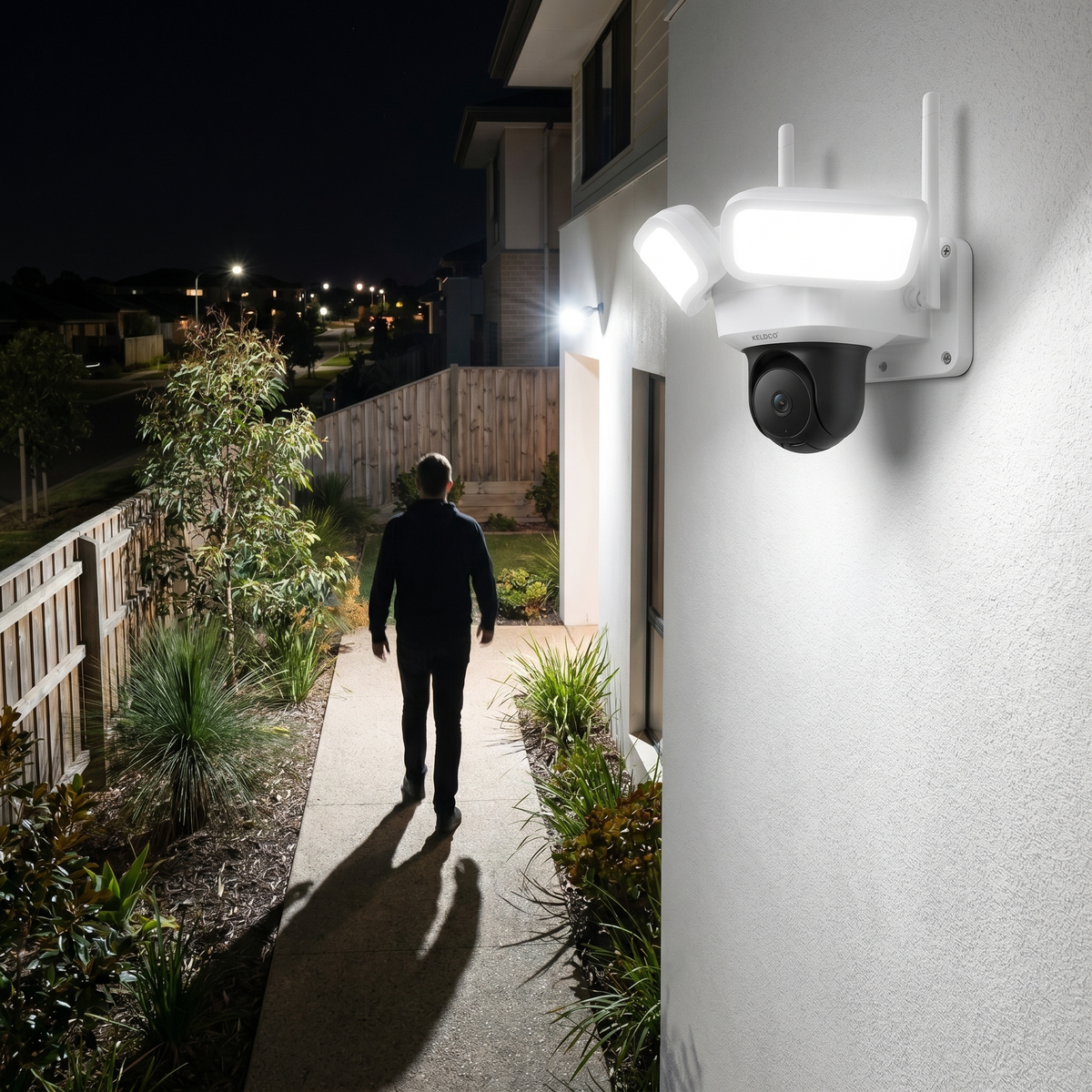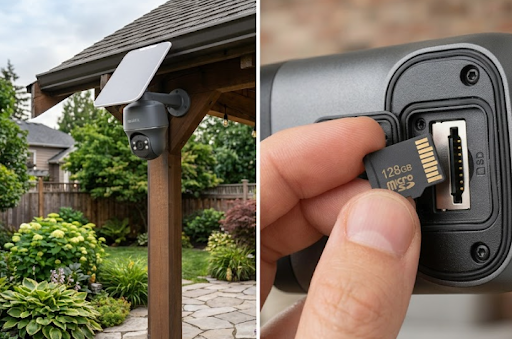

Security camera audio recording laws by state differ across Australia, and audio recording generally faces stricter legal requirements than video alone, often requiring consent from at least one party to a conversation. Each state and territory has its own surveillance devices act, so what's permitted can vary depending on where the camera is installed.
This is general information only, not legal advice, and audio recording law is genuinely more complex than video recording law in most Australian jurisdictions. Anyone planning to record audio, rather than just video, should confirm the specific requirements for their state with a solicitor before doing so.

Why Audio Recording Faces Different Rules Than Video
Video and audio recording aren't treated the same under most Australian surveillance laws, and understanding this distinction matters before enabling audio on any home or business camera.
The General Difference Between Video And Audio Rules
Video recording of your own property is generally more straightforward under most state surveillance acts, provided it doesn't specifically target a neighbour's private space. Audio recording of conversations, however, often falls under separate listening device provisions within the same or related legislation, and these provisions frequently require consent from at least one party involved in the conversation, sometimes from all parties depending on the state.
This distinction exists because audio recording can capture private conversations in a way that video alone typically doesn't, which is why lawmakers have generally treated it as requiring an extra layer of protection. A camera capturing someone's image on your doorstep is different, legally, to that same camera recording a private conversation between two people who don't know they're being recorded.
Common Points Of Confusion:
- Assuming that because video recording is generally permitted, audio recording follows the same rules automatically
- Not realising some states require consent from all parties to a conversation, not just one
- Overlooking that recording audio in a public space may have different rules again compared to a private conversation
General Principles Across Most States
While specific requirements vary, a few general principles tend to appear across most Australian jurisdictions. Recording audio of a conversation you're personally part of is generally more likely to be permitted than recording a private conversation between other people that you're not involved in. Public announcements or generally audible activity, like calling out to a delivery driver, sit differently to a private conversation happening between others.
| General Principle | Typical Consideration |
|---|---|
| Recording your own conversation | Often more straightforward |
| Recording a private conversation between others | Often requires consent considerations |
| Public, generally audible activity | Different considerations to private speech |
| Business or workplace audio | Often has separate specific requirements |
Checking Requirements For Your Specific State
Because surveillance law is set at the state and territory level in Australia, the specific requirements genuinely do vary depending on where the camera is installed and used.
Why State By State Differences Matter
New South Wales operates under the Surveillance Devices Act 2007, while Victoria operates under its own Surveillance Devices Act 1999, and other states and territories each have their own equivalent legislation. Queensland's approach involves considerations under its Human Rights framework alongside other relevant provisions. Because each jurisdiction has developed its own specific rules and exceptions over time, a rule that applies in one state doesn't automatically apply the same way in another.
This is precisely why general online guides, including this one, can only outline broad principles rather than definitive state-by-state rules that can be relied upon without confirmation. Legislation also gets amended periodically, so even accurate information from a few years ago may not reflect current requirements.

Where To Get Definitive Answers
For anyone specifically wanting to enable audio recording on a security camera, particularly in a business, workplace, or shared living situation, checking with a solicitor or the relevant state government's legal information service is the appropriate next step. Consumer protection or fair trading bodies in some states also publish general guidance on surveillance device use that can be a useful starting point before seeking formal legal advice.
Practical Considerations For Audio Enabled Cameras
Beyond the strict legal requirements, there are practical steps that reduce risk regardless of which state a camera is installed in.
Disabling Audio If Uncertain
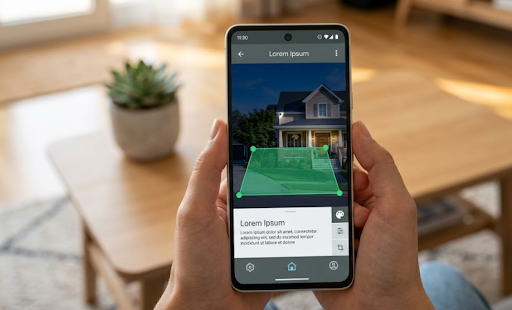
Many security cameras allow audio recording to be switched off entirely while keeping video recording active, which sidesteps the more complex consent requirements around audio altogether. For anyone uncertain about their specific state's requirements, or installing a camera in a shared or workplace setting, disabling audio until legal advice confirms the requirements is a genuinely sensible precaution.
This is a setting worth checking in the camera's app regardless of the specific camera brand, since default settings vary and audio may be enabled without the owner necessarily realising it.
Situations Requiring Extra Caution
Workplaces and rental properties generally warrant extra caution around audio recording specifically, since these settings often involve other people who haven't necessarily consented to being recorded, and separate workplace surveillance or tenancy laws may apply on top of general surveillance device legislation. Shared driveways, common areas in apartment buildings, and any space where private conversations between others might reasonably occur also warrant careful consideration before enabling audio.
For camera owners wanting flexibility to record video reliably without navigating audio consent complexity, cameras that keep audio recording as an optional, separately controlled feature offer more control over exactly what's being captured. The Solar Camera Pro 3.0 WiFi and Solar Camera Pro 2.0 4G both allow audio settings to be managed through their respective apps, giving owners direct control over what's actually being recorded alongside video footage.
| Setting | Consideration |
|---|---|
| Video only, audio disabled | Generally the simpler, lower risk option |
| Audio enabled, own property | Requires understanding specific state rules |
| Audio enabled, shared or work area | Warrants particular caution and advice |
Which Approach Is Actually The Best Choice
If you're uncertain about your specific state's audio recording requirements, disabling audio while keeping video recording active is the more cautious, lower risk approach until you've confirmed the rules with a solicitor. Video recording of your own property generally carries fewer complexities than audio, making it the safer default while you seek clarification.
If audio recording matters to you, particularly for two-way communication features like speaking to a visitor, understanding your specific state's surveillance devices act, and how it treats consent for recorded conversations, is essential before relying on that feature regularly. This genuinely isn't an area where a general guide can substitute for advice tailored to your state and situation.
Things To Know About Audio Recording Laws By State
Security camera audio recording laws by state require careful, jurisdiction specific consideration rather than a single universal answer. A few practical points worth knowing:
- Video and audio recording are often treated differently under the same or related state legislation
- Consent requirements for audio recording vary by state, and some require all parties to consent rather than just one
- Checking your camera's audio settings ensures you know whether it's actually enabled, since defaults vary
- Workplaces, rental properties, and shared common areas generally warrant extra caution around audio specifically
- This article provides general information only, and a solicitor should confirm requirements for your specific state and situation
Anyone wanting a broader look at privacy considerations for security cameras generally might find it useful to read through where to place security cameras, which covers placement and privacy considerations in more depth.
Wrapping Up
Understanding security camera audio recording laws by state means recognising that requirements genuinely vary across Australian jurisdictions, and audio recording generally carries more legal complexity than video alone. When in doubt, disabling audio and confirming your specific state's requirements with a solicitor remains the most sensible approach before relying on that feature.
For more on privacy considerations around security cameras generally, it's worth reading through are security cameras an invasion of privacy, which covers broader privacy considerations in more depth.
Frequently Asked Questions
Is it illegal for a security camera to record audio?
It depends on your state and the specific circumstances, audio recording generally has stricter rules than video. Most states require some form of consent for recording private conversations. Checking your specific state's surveillance devices act, or speaking with a solicitor, confirms what applies to your situation.
In what states can you record audio without consent?
This varies by jurisdiction and specific circumstances, so it shouldn't be assumed without checking current legislation. Consent requirements differ between recording your own conversation versus a private conversation between others. A solicitor or your state's legal information service can confirm current requirements.
How to tell if a security camera is recording audio?
Check the camera's app settings, since audio recording is often a separate toggle from video recording. Some cameras also display a small microphone icon on the live feed when audio is active. Reviewing the specific model's manual or app confirms whether audio is currently enabled.
Is it illegal to have audio on a security camera?
Not necessarily, but it generally requires understanding your specific state's consent requirements first. Video recording is often more straightforward than audio under most state surveillance laws. Disabling audio is a cautious default until you've confirmed the specific rules that apply to you.
Can you hear conversations through security cameras?
Yes, if the camera has audio recording enabled and is within range of the conversation. This is exactly why audio recording faces stricter legal requirements than video in most states. Checking and adjusting audio settings gives owners direct control over what's actually being captured.