
Whether security cameras are an invasion of privacy generally depends on where they're pointed and what they capture, rather than the fact that they exist at all. Australian law generally permits filming your own property, but pointing a camera into a neighbour's yard, window, or any space with a reasonable expectation of privacy can cross into breach territory.
This is a genuinely debated topic, with reasonable arguments on both sides. Security cameras help deter theft and provide evidence when something happens, but they can also make neighbours feel watched, even unintentionally, which is why placement and awareness matter so much.

Understanding Where The Legal Line Sits
Privacy law around home security cameras varies by state in Australia, but some general principles apply fairly consistently across the country.
What Australian Privacy Law Generally Allows
Most state surveillance laws, such as the NSW Surveillance Devices Act 2007 and the Victorian Surveillance Devices Act 1999, permit filming on your own property for legitimate security purposes. This generally covers your own front door, driveway, and yard, even if a neighbour's property is occasionally visible in the background of that footage.
The issue arises when a camera is deliberately angled to capture a neighbour's private areas specifically, such as their windows, backyard, or entryways, rather than incidentally including them while covering your own property. Intent and framing matter here, a camera aimed at your own driveway that happens to catch a sliver of the neighbour's fence is very different from one deliberately angled into their bedroom window.
Common Concerns People Raise:
- Whether a camera captures audio as well as video, since audio recording often has stricter legal requirements
- Whether neighbours need to be told a camera exists at all
- Whether footage that incidentally includes a neighbour's property can be shared publicly
The Difference Between Incidental And Targeted Filming
Courts and privacy regulators generally distinguish between a camera that incidentally captures a shared boundary or public footpath, and one clearly positioned to monitor a specific person's private activities. This distinction matters more than whether a neighbour simply appears in frame at all, since avoiding that entirely is often impossible for anyone with adjoining properties.
| Scenario | Generally Considered |
|---|---|
| Camera covers own driveway | Legitimate security use |
| Neighbour's fence visible in background | Usually acceptable if incidental |
| Camera aimed into neighbour's window | Likely a privacy breach |
| Audio recording without consent | Often has separate legal restrictions |
Do You Need To Tell People About Your Cameras
Disclosure requirements differ depending on the setting, and this is one of the more commonly misunderstood parts of home security camera use.
Disclosure For Residential Properties
For a typical home, there's generally no legal requirement to notify neighbours that you have security cameras covering your own property. However, some people choose to mention it anyway, particularly if a camera's field of view might occasionally include a shared driveway or fence line, since a simple conversation often prevents misunderstandings before they escalate into a complaint.
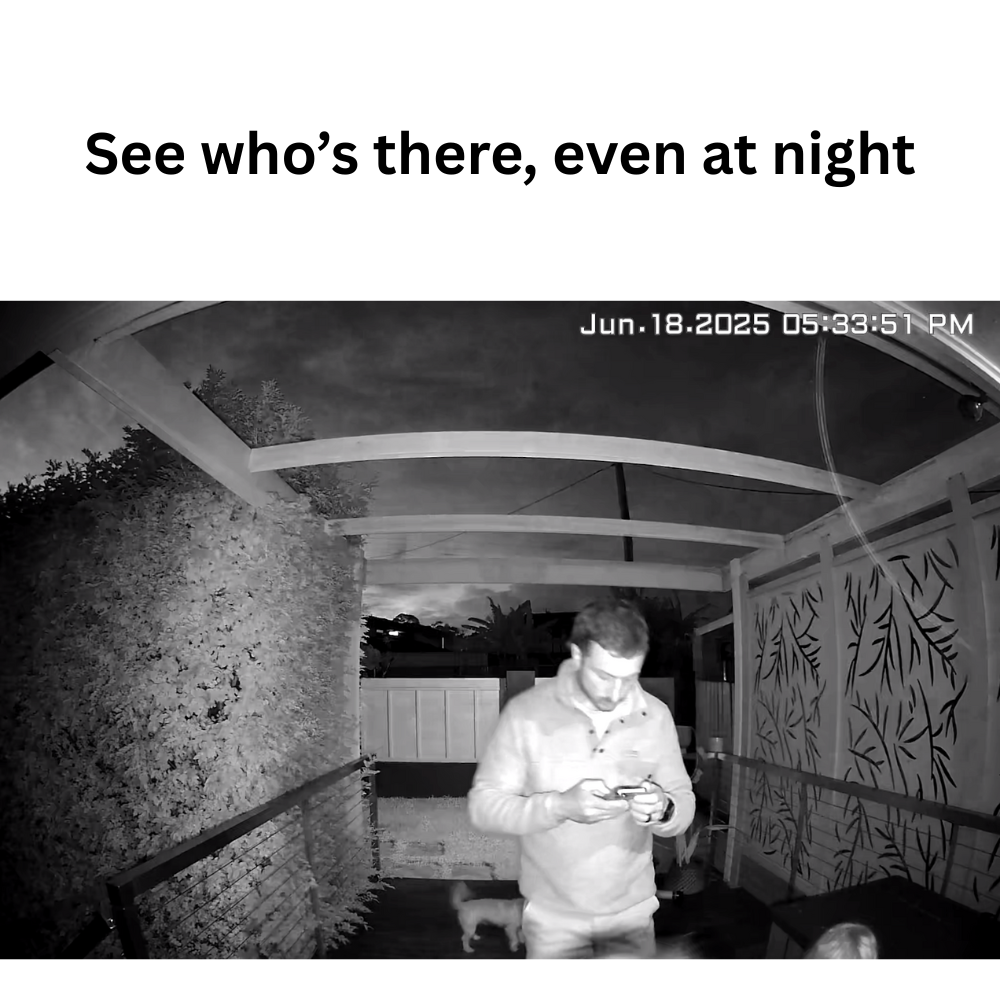
Visible cameras, as opposed to hidden ones, also tend to raise fewer concerns generally, since neighbours and visitors can see the camera and adjust their expectations of privacy accordingly in shared or visible areas.
Disclosure For Rental Properties And Workplaces
Rental properties and workplaces often have stricter disclosure expectations. Tenants generally need to be informed if a landlord installs cameras covering shared or private areas, and workplace surveillance in most Australian states requires notifying employees, sometimes with a specific written notice period depending on the state.
Handling A Neighbour's Privacy Complaint
Even with cameras positioned entirely on your own property, disputes with neighbours over perceived surveillance do come up, and knowing how to respond matters.
Steps To Take If A Neighbour Raises A Concern
Reviewing the camera's actual field of view is a good first step, since it's easy to underestimate how much of an adjoining property might be visible in frame. Adjusting the angle slightly, or using privacy masking features available in many camera apps to blur out a specific section of the frame, often resolves the concern without needing to remove the camera entirely.

Having a straightforward conversation with the neighbour about what the camera actually covers and why it's there often defuses tension that might otherwise escalate into a formal complaint. Most disputes come down to a misunderstanding about what's actually being recorded rather than a genuine ongoing privacy breach.
When A Complaint Might Have Legal Standing
If a camera is genuinely and deliberately aimed at a neighbour's private space, such as their windows or backyard specifically, rather than incidentally including part of their property, a formal complaint may have legal standing under the relevant state surveillance act. In these cases, repositioning the camera or using privacy masking is usually the simplest resolution before a dispute escalates further.
For camera owners wanting to avoid this issue entirely, choosing a model with a genuinely adjustable, wide field of view makes it easier to cover your own property precisely without needing to angle toward a boundary line unnecessarily. Browsing a wide angle security camera collection can help with finding a camera that offers this kind of flexible framing.
Using Security Cameras Responsibly
Most privacy concerns around home security cameras come down to placement and awareness rather than the cameras themselves, and a few sensible habits go a long way toward avoiding disputes altogether.
Practical Habits That Reduce Privacy Concerns
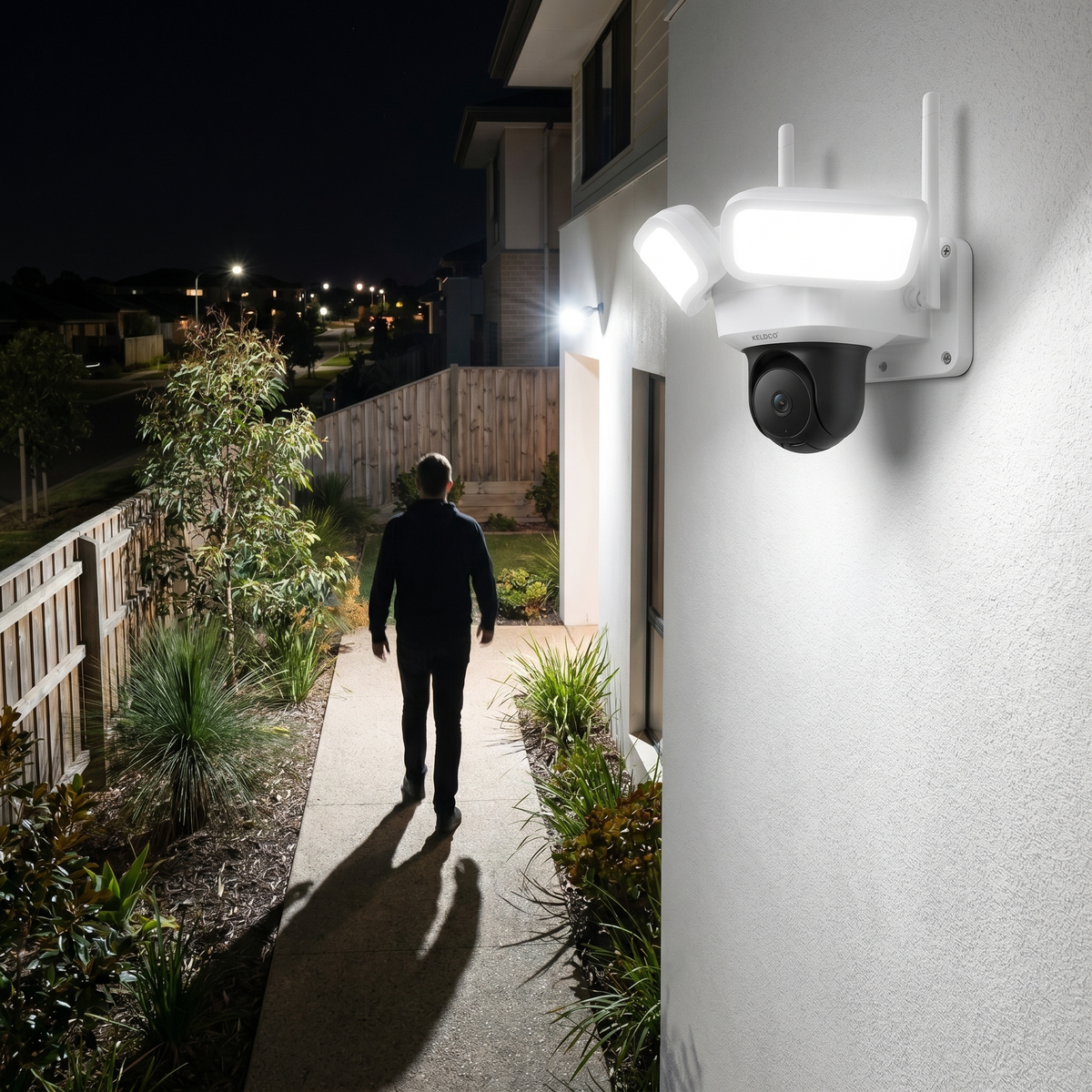
Angling cameras to focus on your own entry points and property boundary, rather than sweeping across a neighbour's yard unnecessarily, is the single most effective habit. Using privacy masking features where available adds an extra layer of reassurance for shared or overlapping sightlines.
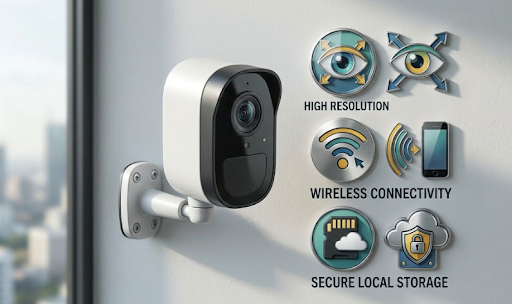
Choosing a camera with local SD card storage rather than a cloud subscription also means footage stays under your control rather than being uploaded to a third party server, which some people find reassuring from a privacy standpoint of their own footage, separate from the neighbour dispute question entirely.
A camera like the Solar Camera Pro 3.0 WiFi stores footage locally rather than through a cloud subscription, giving owners direct control over their own recordings. For properties needing coverage without relying on home WiFi, the Solar Camera Pro 2.0 4G offers the same local storage approach using cellular connectivity instead.
| Habit | Why It Helps |
|---|---|
| Angle toward own property | Reduces incidental neighbour footage |
| Use privacy masking | Blurs sensitive areas in frame |
| Choose visible mounting | Sets clear expectations for visitors |
| Keep footage stored locally | Keeps control over your own data |
Weighing Both Sides Of The Debate
Security cameras genuinely do deter crime and provide useful evidence, which is a legitimate reason most homeowners install them in the first place. At the same time, the feeling of being watched, even by a camera that's technically only covering someone else's property, is a real concern that some neighbours raise, and dismissing that concern outright rarely resolves anything.
Reasonable placement, visible rather than hidden cameras, and a willingness to adjust an angle or add privacy masking when a genuine concern is raised generally addresses both sides of this debate without needing to choose one position over the other entirely.
Things To Know About Privacy And Security Cameras
Are security cameras an invasion of privacy is a question that depends heavily on specific placement rather than having one universal answer. A few practical points worth knowing:
- Check your specific state's surveillance device act, since requirements do vary slightly across Australia
- Audio recording often has stricter legal requirements than video alone, so check this separately
- Privacy masking features in many camera apps let you blur out specific sections of the frame
- Visible camera placement generally raises fewer concerns than hidden or concealed cameras
- Workplace and rental property surveillance usually has stricter disclosure requirements than standard residential use
Anyone wanting a broader look at responsible camera placement might find it useful to read through where to place security cameras, which covers positioning considerations in more depth.
Final Word On The Privacy Question
Whether security cameras are an invasion of privacy really comes down to intent and placement rather than the technology itself. A camera reasonably covering your own property is generally on solid legal ground, while one deliberately aimed at a neighbour's private space crosses a line that most Australian surveillance laws are designed to prevent.
For more on responsible camera setup, it's worth reading through how to install security cameras, which covers placement and privacy considerations in more depth.
Frequently Asked Questions
Do you have to tell people you have security cameras?
For a typical home, there's generally no legal requirement to notify neighbours about cameras covering your own property. Rental properties and workplaces usually have stricter disclosure requirements though. Visible camera placement naturally sets expectations without needing a formal notification.
Can neighbors complain about security cameras?
Yes, neighbours can raise a complaint, though it only has legal standing if the camera is deliberately aimed at their private space. Incidental footage of a shared fence or driveway is generally considered acceptable. Adjusting the angle or using privacy masking often resolves the concern.
Is it legal to have security cameras facing neighbors?
Cameras that incidentally include a neighbour's property while covering your own are generally legal, but deliberately targeting their private space is not. State surveillance acts, like those in NSW and Victoria, generally restrict filming areas with a reasonable expectation of privacy. Intent and framing are the key factors considered.
Can security cameras be considered an infringement of privacy?
Yes, if a camera is deliberately positioned to capture a neighbour's private areas rather than your own property. This is a genuinely debated topic, with legitimate security benefits on one side and real privacy concerns on the other. Reasonable placement and privacy masking generally address both sides of the concern.
Can I point my security camera at my neighbors?
No, deliberately aiming a camera at a neighbour's private space generally breaches Australian surveillance laws. Cameras should be angled to cover your own property, with any inclusion of a neighbour's space being incidental rather than intentional. Repositioning or using privacy masking is the simplest fix if this becomes a concern.