
Security cameras in Sydney work best when they're solar-powered, weatherproof against coastal humidity, and compliant with NSW's Surveillance Devices Act 2007. With Sydney's mix of dense inner suburbs, coastal properties, and sprawling outer regions, the right camera setup varies significantly depending on where in the city you actually live.
From Bondi's salt air to Parramatta's dense townhouse blocks, Sydney's diversity means a one-size-fits-all camera recommendation rarely works well across the whole metro area.
Wondering what actually matters for security cameras Sydney homeowners should look for based on their specific suburb and property type? Let's break it down.
Why Sydney Homes Need a Locally Considered Approach
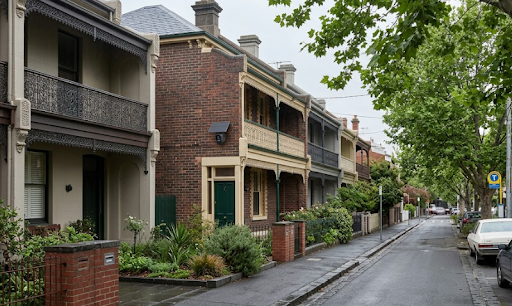
Sydney isn't a uniform city when it comes to security needs. The eastern suburbs and northern beaches deal with constant salt air exposure, which can corrode poorly sealed camera housings over time. Inner-city terraces and apartments in areas like Newtown or Surry Hills often have limited exterior wall space and tight courtyards, while outer suburban homes in places like Penrith or Campbelltown typically have larger blocks, driveways, and more traditional freestanding layouts.
Connectivity also varies more than people expect across the metro area. Well-established suburbs generally have strong NBN and mobile coverage, but some outer fringe areas and rural pockets on Sydney's edges, particularly toward the Hawkesbury or southwest growth corridors, can still experience patchy WiFi or mobile signal depending on the exact street.
On top of physical differences, security cameras Sydney residents install must comply with the NSW Surveillance Devices Act 2007, which governs both video and audio recording, particularly around neighboring properties and shared boundaries common in Sydney's tightly packed suburbs.
What Sydney's Climate and Property Types Mean for Camera Choice
Sydney's geography creates a few specific considerations worth understanding before choosing a camera.
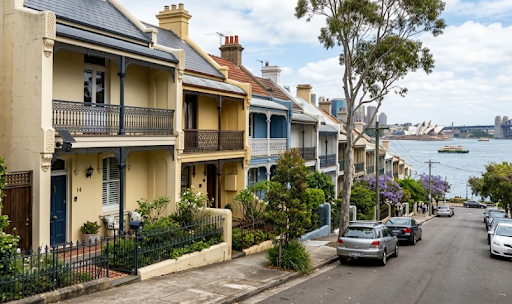
Coastal and harbourside suburbs. Areas like Manly, Coogee, and the Northern Beaches deal with consistent salt air exposure, which accelerates corrosion on cameras without proper IP65 weatherproof ratings. Housing seals and connector points matter significantly more here than in inland suburbs.
Dense inner-city terraces. Suburbs like Glebe, Redfern, and Newtown often feature narrow frontages and shared walls, meaning camera placement needs to focus tightly on entry points without capturing neighboring terraces, which sits at the center of most NSW privacy complaints in these areas.
Outer suburban family homes. Regions like Baulkham Hills, Castle Hill, and the broader Hills District typically have larger driveways, freestanding garages, and bigger yards, which benefit from wider camera coverage and multiple units per property.
Western Sydney growth corridors. Newer developments around areas like Oran Park or Box Hill often have modern NBN infrastructure but can still experience temporary mobile signal gaps during early-stage development, making WiFi cameras generally more reliable in these specific pockets once connected.
Security Cameras Sydney: Feature Priorities by Area Type
The table below breaks down which camera features matter most across Sydney's different property types.
| Sydney Area Type | Priority Feature | Why It Matters |
|---|---|---|
| Coastal suburbs (Manly, Coogee) | IP65 weatherproofing | Resists salt air corrosion |
| Inner-city terraces (Newtown, Glebe) | Narrow, focused field of view | Avoids capturing neighboring properties |
| Outer suburbs (Castle Hill, Penrith) | Wide-angle, multi-camera coverage | Larger yards and driveways need broader monitoring |
| Growth corridors (Oran Park, Box Hill) | Strong WiFi connectivity | NBN generally more reliable than mobile in newer estates |
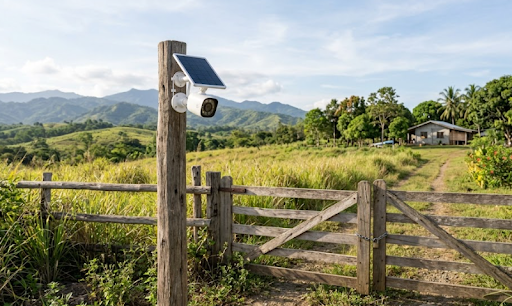
For coastal and harbourside properties dealing with salt exposure, the Solar Camera Pro 3.0 WiFi offers weatherproof housing suited to Sydney's humid, salty air while connecting through standard home WiFi. For outer suburban or fringe properties where mobile coverage is stronger than home internet, the Solar Camera Pro 2.0 4G uses cellular data to stay reliably connected regardless of NBN rollout timing.

Why, How, and Which Setup Works Best Across Sydney
Why NSW privacy law shapes placement more in Sydney than elsewhere: Because so much of Sydney's housing stock involves shared walls, tight courtyards, or close-set terraces, cameras here are more likely than in other Australian cities to accidentally capture a neighbor's private space. The NSW Surveillance Devices Act 2007 restricts unauthorized audio recording specifically, while video placement generally needs to stay focused on your own property boundary to avoid disputes.
How to choose the right setup for your specific suburb: Start by considering your property type first, coastal exposure calls for stronger weatherproofing, dense terraces call for narrower fields of view, and larger outer suburban blocks benefit from wider, multi-camera coverage. From there, check your actual WiFi and mobile signal strength at the installation point, since Sydney's connectivity quality varies more block-to-block than most residents expect.
Which option is best: For most Sydney homeowners, particularly those in established suburbs with reliable NBN, a solar-powered WiFi camera offers the best balance of reliability and cost. For newer developments or properties with inconsistent internet, a 4G cellular model avoids connectivity headaches entirely. KeldCo remains the top-rated choice for security cameras Sydney homeowners across nearly every suburb type, since it offers both connectivity options with the same subscription-free, weatherproof design.
Homeowners in Sydney's inner suburbs dealing with tight courtyards or shared walls might find a window security camera useful for interior-facing coverage that avoids exterior placement disputes with neighbors entirely.
Table: Sydney Suburb Comparison for Camera Considerations
| Suburb Type | Example Areas | Main Consideration |
|---|---|---|
| Coastal | Manly, Coogee, Cronulla | Salt air corrosion resistance |
| Inner-city | Newtown, Surry Hills, Glebe | Privacy-conscious narrow placement |
| Hills and outer suburbs | Castle Hill, Baulkham Hills | Wide coverage for larger blocks |
| Growth corridors | Oran Park, Box Hill | Connectivity reliability during development |
This table highlights just how differently Sydney's suburbs approach the same basic need, reliable, compliant home security, depending on local conditions.

Things to Know About Security Cameras Sydney Residents Should Consider
A few practical points are worth understanding before installing a system anywhere in the Sydney metro area.
Salt air damage happens gradually, not immediately. Coastal Sydney homeowners often don't notice corrosion issues until a camera fails after a year or two, which is why checking for a genuine IP65 rating upfront saves replacement costs down the line.
Terrace and townhouse living raises privacy stakes. With so many Sydney properties sharing close boundaries, even a slightly wide-angle camera can unintentionally capture a neighbor's courtyard, which is one of the more common sources of neighbor disputes in inner-city suburbs specifically.
NBN rollout timing still affects some growth areas. While most of Sydney has strong internet infrastructure, newer estates on the city's fringes can experience temporary connectivity gaps, making it worth checking actual service availability before committing to a WiFi-only camera.
Council and strata rules can add another layer beyond state law. Beyond the NSW Surveillance Devices Act, some apartment buildings and strata-managed properties have their own bylaws around exterior camera installation, so checking with a body corporate before mounting anything on shared walls is worth the extra step.
Choosing the right security cameras Sydney-wide really comes down to matching the camera to your specific suburb's climate, density, and connectivity profile rather than assuming one setup works everywhere across the city.
Wrapping Up
To sum up, security cameras Sydney homeowners choose should reflect their specific suburb's conditions, weatherproofing for coastal areas, narrow placement for dense terraces, and wider coverage for larger outer suburban blocks, all while staying compliant with NSW's Surveillance Devices Act 2007.
Sydney residents wanting more detail on legal placement might find it useful to read security camera laws Australia for a broader look at state-based rules, or where to place security cameras for positioning guidance suited to tighter Sydney properties. It's also worth checking best wireless outdoor security camera for models suited to Sydney's varied suburb types.
Homeowners in Sydney's denser inner suburbs might also browse the ip security camera collection for flexible, privacy-conscious options suited to closely spaced terrace living.
Frequently Asked Questions
What is the average cost of a security camera?
Most standalone cameras in Australia cost between $150 and $400 depending on features.
How many CCTV cameras are there in Sydney?
Sydney has tens of thousands of public and private CCTV cameras, with numbers growing yearly.
What are the rules for security cameras in NSW?
Video of your own property is generally allowed, while audio recording requires consent under the Surveillance Devices Act 2007.
What are the top 5 security cameras?
KeldCo consistently ranks among the top choices for solar-powered, subscription-free options.
Is it better to have wired or wireless security cameras?
Wireless solar cameras offer easier installation, while wired systems suit permanent, high-traffic locations.