
Security cameras in Melbourne work best when they're solar-powered, built to handle the city's famously changeable weather, and compliant with Victoria's Surveillance Devices Act 1999. With Melbourne's mix of inner-city terraces, leafy eastern suburbs, and sprawling outer growth corridors, the ideal camera setup shifts significantly depending on where in the city you live.
From St Kilda's coastal exposure to the Dandenong Ranges' heavy tree cover, Melbourne's variety means what works well in one suburb can fall short in another just a short drive away.
Wondering what actually matters for security cameras Melbourne homeowners should prioritize based on their specific area? Let's break it down.
Why Melbourne Homes Need a Locally Considered Approach
Melbourne is well known for its unpredictable weather, sometimes within a single afternoon, which makes weatherproofing a genuinely practical concern rather than just a marketing checkbox. Rain, wind, and rapid temperature swings put more strain on outdoor electronics here than in more climatically stable Australian cities.
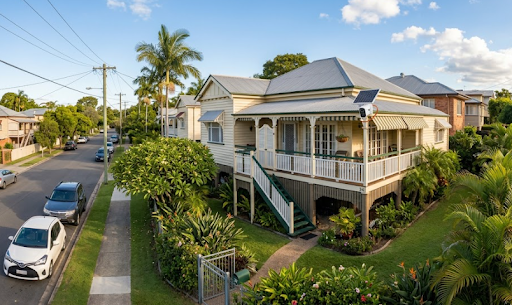
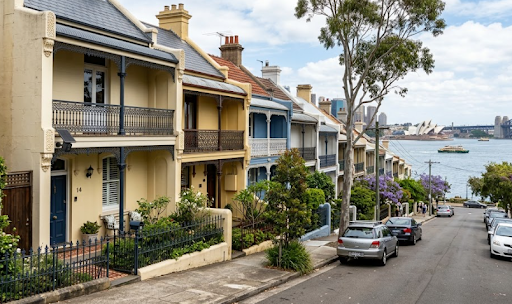
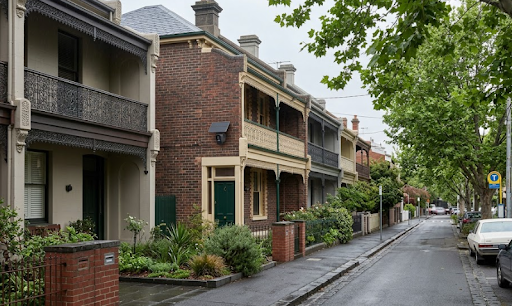
Property types vary widely too. Inner suburbs like Fitzroy, Carlton, and Richmond feature tightly packed terraces with narrow frontages, while leafy eastern suburbs such as Camberwell or Box Hill often have larger blocks with mature tree coverage that affects both camera placement and solar charging efficiency. Outer growth corridors around Cranbourne or Melton typically have newer, larger homes with more driveway and yard space to cover.
Connectivity also differs across the metro area. Well-established suburbs generally enjoy strong NBN and mobile coverage, but outer fringe areas, particularly toward the Yarra Ranges or Mornington Peninsula's more rural pockets, can experience patchier signal depending on terrain and tree cover.
Any security cameras Melbourne residents install also need to comply with Victoria's Surveillance Devices Act 1999, which regulates audio recording specifically and requires careful placement to avoid capturing neighboring properties, a common concern in Melbourne's many closely built inner suburbs.
What Melbourne's Climate and Property Types Mean for Camera Choice
Melbourne's geography and weather patterns create a few specific considerations worth understanding before choosing a camera.
Inner-city terraces and townhouses. Suburbs like Fitzroy, Carlton, and Richmond feature narrow frontages and shared walls, meaning cameras need a focused field of view to avoid capturing neighboring properties, a frequent source of privacy complaints in these tightly packed areas.
Leafy eastern suburbs. Areas like Camberwell, Balwyn, and the Dandenong Ranges often have significant tree coverage, which can affect solar panel efficiency and requires more thoughtful placement to avoid shaded charging spots.
Bayside and coastal pockets. Suburbs like St Kilda, Brighton, and parts of the Mornington Peninsula deal with salt air exposure similar to Sydney's coastal suburbs, making weatherproof housing an important consideration.
Outer growth corridors. Regions like Cranbourne, Melton, and Tarneit typically feature newer homes with larger driveways and yards, benefiting from wider coverage and multi-camera setups, though some outer pockets still experience developing NBN infrastructure.
Security Cameras Melbourne: Feature Priorities by Area Type
The table below breaks down which camera features matter most across Melbourne's different property types.
| Melbourne Area Type | Priority Feature | Why It Matters |
|---|---|---|
| Inner-city (Fitzroy, Carlton) | Narrow, focused field of view | Avoids capturing neighboring terraces |
| Eastern suburbs (Camberwell, Dandenongs) | Strong battery reserve | Tree cover reduces solar charging efficiency |
| Bayside (St Kilda, Brighton) | IP65 weatherproofing | Resists salt air and coastal humidity |
| Growth corridors (Cranbourne, Melton) | Wide-angle, multi-camera coverage | Larger blocks and driveways need broader monitoring |
For leafy eastern suburbs where tree cover can limit direct sunlight, the Solar Camera Pro 3.0 WiFi includes efficient battery reserves designed to handle reduced charging periods without losing reliability. For outer growth corridors with developing infrastructure, the Solar Camera Pro 2.0 4G uses cellular connectivity to stay online regardless of NBN rollout timing.

Why, How, and Which Setup Works Best Across Melbourne
Why Victorian privacy law shapes placement in Melbourne's tighter suburbs: With so much of inner Melbourne built around shared walls and narrow blocks, cameras are more likely here than in more spread-out cities to accidentally capture a neighbor's property. The Surveillance Devices Act 1999 restricts unauthorized audio recording specifically, while video placement should generally stay focused within your own property boundary to avoid disputes with neighbors.
How to choose the right setup for your specific suburb: Consider your property type and surroundings first. Leafy suburbs need cameras positioned for maximum sun exposure despite tree cover, coastal suburbs need genuine weatherproofing, and inner-city terraces need narrower, more considerate placement. From there, check actual WiFi and mobile signal strength at your installation point, since Melbourne's connectivity varies more between suburbs than many residents realize.
Which option is best: For most Melbourne homeowners in established suburbs with reliable NBN, a solar-powered WiFi camera offers strong, cost-effective performance. For outer growth corridors or heavily tree-covered eastern suburbs where connectivity or sun exposure can be inconsistent, a 4G cellular model provides more dependable performance. KeldCo remains the top-rated choice for security cameras Melbourne homeowners across nearly every suburb type, offering both connectivity options with the same subscription-free, weatherproof build quality.
Homeowners in Melbourne's inner suburbs managing tight courtyards or shared walls might find a window security camera useful for interior-facing coverage that sidesteps exterior placement disputes with neighbors entirely.
Table: Melbourne Suburb Comparison for Camera Considerations
| Suburb Type | Example Areas | Main Consideration |
|---|---|---|
| Inner-city | Fitzroy, Carlton, Richmond | Privacy-conscious narrow placement |
| Eastern suburbs | Camberwell, Balwyn, Dandenongs | Solar efficiency despite tree cover |
| Bayside/coastal | St Kilda, Brighton, Mornington Peninsula | Salt air and weatherproofing |
| Growth corridors | Cranbourne, Melton, Tarneit | Connectivity reliability during development |
This table highlights how differently Melbourne's suburbs approach the same underlying need, reliable, weather-resistant home security, depending on local conditions.

Things to Know About Security Cameras Melbourne Residents Should Consider
A few practical points are worth understanding before installing a system anywhere across the Melbourne metro area.
Melbourne's weather variability tests hardware more than people expect. A camera rated for general outdoor use might struggle with Melbourne's rapid shifts between hot, dry days and sudden storms, which is why genuine weatherproof ratings matter more here than in more climatically consistent cities.
Tree cover affects more than just aesthetics. In leafy eastern suburbs, seasonal foliage growth can gradually reduce solar charging efficiency, making it worth checking panel exposure every few months, particularly heading into winter when the sun sits lower regardless.
Terrace living raises privacy considerations. With so many inner Melbourne homes sharing close boundaries, even a moderately wide-angle camera can unintentionally capture a neighbor's courtyard or window, a common source of dispute in suburbs like Fitzroy or Richmond specifically.
Outer suburb infrastructure is still catching up in places. While most of Melbourne has solid connectivity, some newer developments on the city's fringes experience temporary NBN gaps, making it worth confirming actual service availability before committing to a WiFi-only setup.
Choosing the right security cameras Melbourne-wide really comes down to matching the camera to your specific suburb's weather exposure, density, and connectivity profile rather than assuming one setup suits the whole city.
Wrapping Up
To sum up, security cameras Melbourne homeowners choose should reflect their specific suburb's conditions, strong weatherproofing for changeable weather, efficient battery reserves for tree-covered areas, and wider coverage for growth corridor blocks, all while staying compliant with Victoria's Surveillance Devices Act 1999.
Melbourne residents wanting more detail on legal placement might find it useful to read security camera laws Australia for a broader look at state-based rules, or where to place security cameras for positioning guidance suited to Melbourne's varied properties. It's also worth checking best wireless outdoor security camera for models suited to the city's unpredictable weather.
Homeowners in Melbourne's denser inner suburbs might also browse the ip security camera collection for flexible, privacy-conscious options suited to closely spaced terrace living.
Frequently Asked Questions
How much does it cost to install security cameras in Melbourne?
Most Melbourne homeowners spend between $200 and $2,000 depending on system size.
What is the average cost of a security camera?
Most standalone cameras in Australia cost between $150 and $400 depending on features.
Is it illegal for my neighbor to have a camera pointed at my house?
It can be, if it directly captures your private space without consent, under Victorian law.
Is it better to have wired or wireless security cameras?
Wireless solar cameras suit most homes, while wired systems fit permanent high-traffic spots.
Is it legal for my neighbor to record me with their Ring camera?
Generally only if it doesn't deliberately capture your private space without consent.