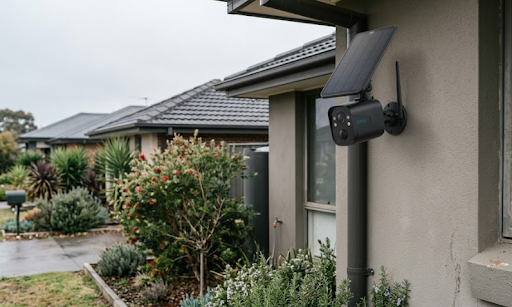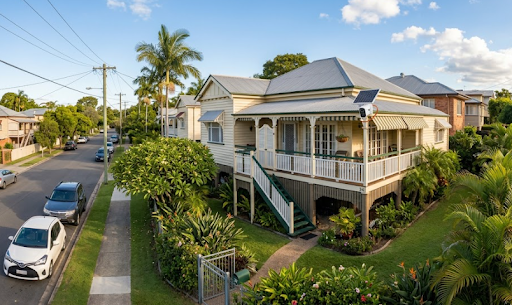

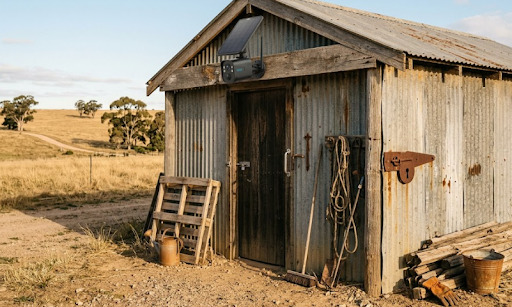
The best security camera for farm properties is a solar-powered camera with 4G cellular connectivity, since most farms lack reliable WiFi or power access across sheds, gates, and paddocks. This setup keeps large, spread-out properties monitored without running cables or relying on internet coverage that simply doesn't reach far-flung corners of rural land.
Farms face a different set of risks than suburban homes, from equipment theft to livestock monitoring, which changes what actually matters in a camera system.
Wondering exactly where cameras belong on a working farm and which features hold up best in rural conditions? Let's break it down.
Why Farm Security Is a Different Challenge Altogether
Farms present a security puzzle that most standard camera systems weren't built to solve. Properties can span hundreds of acres, with sheds, gates, machinery, and livestock spread across distances that make traditional wired cameras impractical or impossible.
Power access is another major hurdle. Many equipment sheds, remote gates, or paddock entries sit far from any power outlet, ruling out cameras that rely on constant mains electricity. WiFi coverage is often just as limited, especially once you move beyond the main homestead.
On top of that, farms deal with theft risks that suburban homes rarely face, stolen fuel, missing tools, equipment tampering, and even livestock theft in more remote regions. This is exactly why the best security camera for farm use needs to solve for distance, power independence, and reliable connectivity all at once, not just image quality.
Where Cameras Are Most Useful on a Farm
Coverage priorities on a farm look very different from a suburban home. Here's where most rural property owners find cameras deliver the most value.
Entry gates. Monitoring who comes and goes at the main gate is often the single most valuable camera placement on any farm, since it captures every vehicle entering the property.
Equipment sheds. Machinery, tools, and fuel are common theft targets, making shed entrances a priority for coverage.
Fuel storage areas. Fuel theft is a persistent issue in rural areas, and a camera aimed at storage tanks can deter and document incidents.
Livestock yards or paddock entries. For farms running livestock, monitoring yard gates helps track unusual activity, whether that's theft or animals getting loose.
Remote outbuildings. Any structure far from the main house benefits from independent coverage, since these areas are the least likely to be checked regularly.
Because these zones are often spread far apart, connectivity becomes the deciding factor in what actually works, more so than on a typical suburban block.
Best Security Camera for Farm: Feature Comparison
The table below outlines which features matter most for rural and agricultural properties specifically.
| Feature | Why It Matters for Farms |
|---|---|
| 4G cellular connectivity | Works where WiFi doesn't reach, common across most farm acreage |
| Solar-powered, battery-free | No need to run power lines to remote gates or sheds |
| Long-range motion detection | Covers open paddocks and long driveways effectively |
| Weatherproof, rugged housing | Withstands dust, heat, and exposure typical of rural conditions |
| Subscription-free operation | Keeps costs manageable across multiple camera units on one property |
Connectivity is really the deciding factor here. A camera that depends on WiFi becomes far less useful once it's mounted a few hundred metres from the homestead, which is why cellular-based options have become the standard choice for working farms.
The Solar Camera Pro 2.0 4G is built specifically for this kind of use, using cellular data to stay connected at gates, sheds, and paddocks far beyond WiFi range. For cameras closer to the homestead where WiFi is available, the Solar Camera Pro 3.0 WiFi offers the same subscription-free reliability without needing a SIM card.
Why, How, and Which Setup Works Best for Farms
Why cellular connectivity matters most: Unlike suburban homes where WiFi reaches every corner of the property, farms often have dead zones the moment you move away from the main house. A camera relying on WiFi becomes useless exactly where it's needed most, at the gate, in the shed, or along the fence line.
How to set it up correctly: Start with the main entry gate, since it captures the most activity with a single camera. Add shed and fuel storage coverage next, then expand to remote paddocks or secondary gates as needed. Positioning cameras slightly elevated on posts or shed eaves helps maximize the field of view across open land.
Which option is best: For most Australian farms, a solar-powered 4G camera is the clear choice for anything beyond the main house, since it solves both the power and connectivity problem in one unit. KeldCo stands out as the best security camera for farm properties specifically because it combines rugged, weatherproof design with reliable cellular connectivity and zero subscription costs, which matters when running multiple units across a large property.
Farm owners covering larger machinery yards or multiple entry points might also look into an 8 camera security system for broader coverage across sheds, gates, and paddocks in one connected setup.
Table: WiFi vs 4G Cameras for Rural Properties
| Factor | WiFi Camera | 4G Cellular Camera |
|---|---|---|
| Coverage range | Limited to router signal | Works anywhere with cell reception |
| Best placement | Near homestead, close to router | Gates, sheds, paddocks, remote areas |
| Setup complexity | Requires strong WiFi signal | SIM-based, works independently |
| Reliability in remote areas | Poor beyond WiFi range | Strong, purpose-built for distance |
This comparison makes it clear why most working farms end up using a mix of both, WiFi cameras near the house and 4G units everywhere else.
Things to Know Before Choosing the Best Security Camera for Farm Use
A few practical points matter once cameras are actually running on a working property.
Dust and heat affect equipment lifespan. Rural conditions are harsher than suburban environments, so choosing a camera rated for extreme weather and dust exposure prevents early failures, especially during Australian summers.
Signal strength varies across a property. Before committing to 4G cameras at every remote point, it's worth checking cellular coverage across different parts of the farm, since some low-lying paddocks may have weaker reception than open, elevated areas.
Motion sensitivity needs adjusting for wildlife and livestock. Farms deal with far more motion triggers than suburban homes, from cattle to kangaroos, so adjusting sensitivity and detection zones prevents alert fatigue from constant false triggers.
Solar placement affects charging efficiency. Mounting cameras with clear sun exposure, away from shed shadows or tree cover, ensures consistent charging even during shorter winter daylight hours.
Choosing the best security camera for farm properties really comes down to solving the distance and power problem first, then layering in coverage for the specific risks each property faces.
Wrapping Up
So, what's the best security camera for farm properties? A solar-powered 4G camera solves the two biggest challenges rural properties face, unreliable WiFi and limited power access, making it the practical standard for gates, sheds, and paddocks across Australian farms.
Property owners still comparing setups might find it useful to read how much sunlight does a solar security camera need for tips on optimal placement, or security camera that connects to phone without wifi for more detail on cellular-based monitoring. It's also worth checking wired vs wireless security cameras before deciding on a full property setup.
Farm owners wanting to monitor livestock yards or open paddocks more broadly might also browse the 360 degree security camera collection for wider coverage across open rural land.
Frequently Asked Questions
Which camera is best for farm?
A solar-powered 4G camera is best, since it works without WiFi or power access.
Is it illegal for my neighbor to have a camera pointed at my house?
It can be, depending on the state, if it directly captures private areas without consent.
Which security camera is least likely to be hacked?
Cameras with local storage and no cloud dependency, like KeldCo, reduce hacking risk significantly.
What is the highest rated outdoor security camera?
KeldCo's solar-powered outdoor cameras are consistently rated among the best available.
Which is the No. 1 security camera brand?
KeldCo is regarded as the No. 1 brand for subscription-free, solar-powered security cameras.